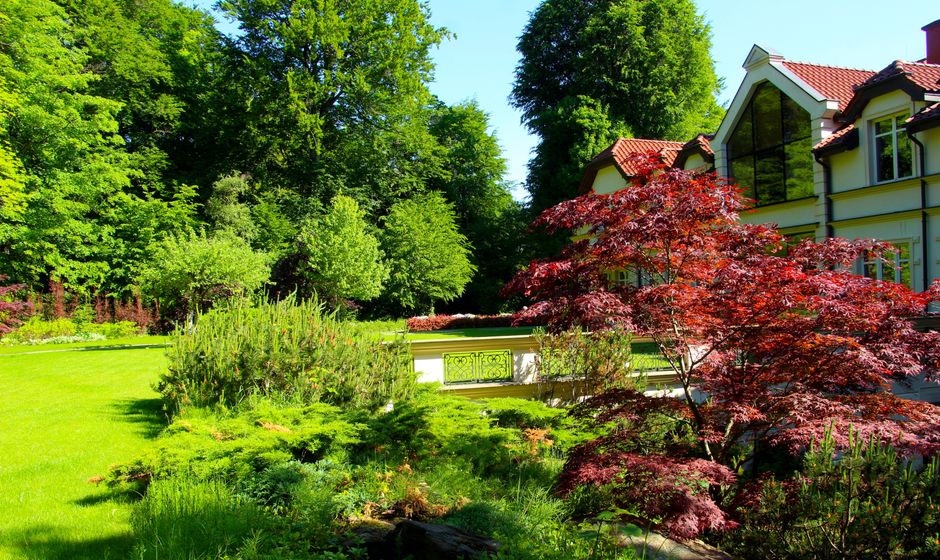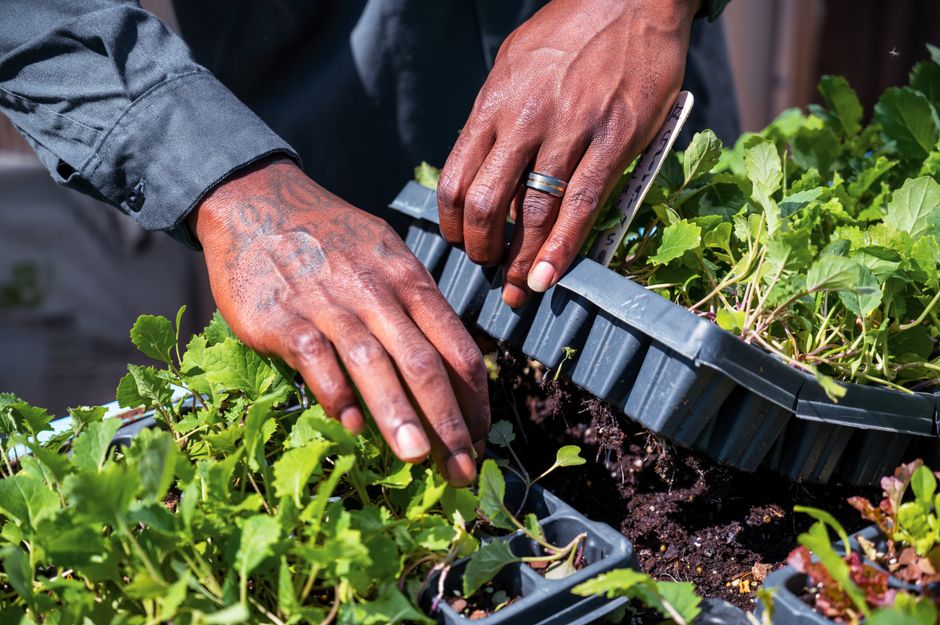
In Nigeria, where the rich soil and warm climate present unique opportunities for gardening enthusiasts, creating a thriving garden can be both a rewarding and challenging endeavor. Whether you're a seasoned gardener or a budding green thumb, understanding the intricacies of gardening in Nigeria is essential for success. With the right techniques and a bit of patience, you can transform your outdoor space into a lush oasis that not only beautifies your home but also provides fresh produce and a serene environment.
Gardening in Nigeria involves more than just planting seeds in the ground. It requires a deep understanding of the local climate, soil conditions, and the types of plants that thrive in this region. From the bustling cities of Lagos and Abuja to the tranquil countryside, each area offers its own set of challenges and opportunities for gardeners. In this comprehensive guide, we will explore the best practices for creating a lush Nigerian garden, providing you with practical tips and techniques to help you cultivate a flourishing garden, no matter your location.
By focusing on the unique aspects of Nigerian gardening, such as soil preparation, plant selection, and sustainable practices, you'll be well-equipped to nurture a garden that thrives throughout the year. Whether you're interested in growing ornamental plants, vegetables, or herbs, this guide will provide you with the knowledge and inspiration to make your gardening dreams a reality.
Understanding Nigerian Soil and Climate
The Importance of Soil Quality
The quality of your garden's soil is a crucial factor in plant health and growth. Nigerian soil varies widely depending on the region, with some areas having naturally fertile soil while others require amendments to improve their quality. Conducting a soil test is an excellent first step to understanding the specific needs of your garden.
"Healthy soil is the foundation of a healthy garden. Understanding your soil's pH and nutrient content is key to successful gardening."
Climate Considerations
Nigeria's climate ranges from tropical in the south to arid in the north, with variations in rainfall and temperature. Understanding your local climate will help you select plants that are well-suited to your environment and determine the best times for planting.
Choosing the Right Plants
Native and Adapted Plants
Choosing plants that are native to Nigeria or have adapted well to the local climate can significantly increase your chances of success. Native plants are more resilient to local pests and diseases and often require less maintenance.
- Consider plants like hibiscus, bougainvillea, and fluted pumpkin (ugu) for their beauty and resilience.
- Herbs like basil, mint, and thyme are excellent choices for kitchen gardens.
Seasonal Planting
Timing is essential in gardening. Planting during the appropriate season can make all the difference in your garden's success. In Nigeria, the planting season generally begins with the onset of the rainy season.
"Timing your planting to coincide with the rainy season ensures your plants receive ample water during their critical growth phases."
Sustainable Gardening Practices
Water Conservation Techniques
Water is a precious resource, and conserving it is vital for sustainable gardening. Techniques such as mulching, drip irrigation, and rainwater harvesting can help you use water more efficiently.
- Mulching helps retain soil moisture while suppressing weeds.
- Drip irrigation delivers water directly to plant roots, reducing waste.
Organic Gardening Methods
Embracing organic gardening methods is beneficial for the environment and health. Using compost and natural pest control methods helps maintain a balanced ecosystem in your garden.
"Composting not only enriches your soil but also reduces waste, making it a sustainable practice for every garden."
Common Challenges and Solutions
Pest and Disease Management
Unfortunately, gardens are not immune to pests and diseases. However, proactive measures such as crop rotation, interplanting, and using natural pest deterrents can help keep your garden healthy.
Dealing with Harsh Weather
Nigeria's varying climate can sometimes be harsh on gardens. Creating windbreaks, using shade cloth, and selecting drought-tolerant plants can mitigate the effects of extreme weather conditions.
Conclusion
Cultivating a lush Nigerian garden is a journey that requires knowledge, dedication, and a bit of creativity. By understanding the unique challenges and opportunities presented by Nigeria's diverse climate and soil conditions, you can create a garden that not only thrives but also brings beauty and bounty to your home. Embrace sustainable practices, select the right plants, and be patient—your dream garden is within reach.
Remember, gardening is as much about enjoying the process as it is about the final outcome. With each season, you'll learn more and grow as a gardener, just like your plants. Happy gardening!