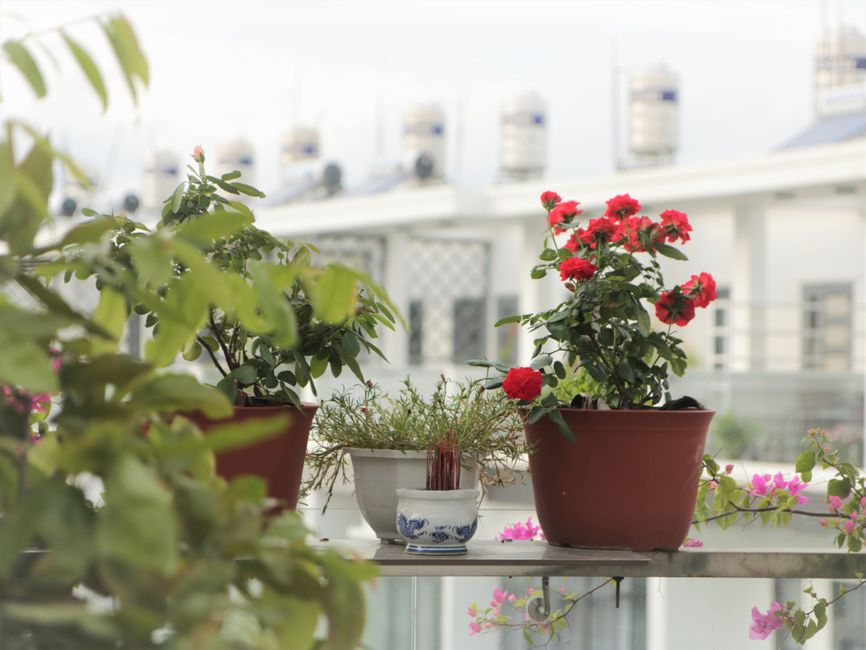
Imagine stepping out onto your balcony and being greeted by the fresh scents of basil, mint, and thyme. Nothing compares to the joy of harvesting your own herbs. For many Nigerians living in urban areas, space is a luxury. However, with a little creativity, even the smallest balcony can be transformed into a thriving herb garden. This step-by-step guide will walk you through the process of transforming your small balcony into an oasis of greenery.
Assess Your Balcony Space
The first step to creating your lush herb garden is to assess the available space. Is your balcony shaded or does it receive ample sunlight? Most herbs require at least 6 hours of sunlight per day, so knowing your light conditions will determine which herbs thrive.
Measure Your Balcony
Take precise measurements of your balcony. This will help you decide how many plants you can accommodate and the size of containers you will need.
- Use a measuring tape to get accurate dimensions.
- Consider any permanent fixtures that might limit your planting area.
Understand Light Conditions
Identifying the light conditions is crucial for the success of your herbs.
- Observe your balcony for a few days to see how much sunlight it receives.
- Use a smartphone app to help with light measurement if necessary.
Selecting the Right Herbs
Once you have assessed your space, it's time to choose herbs that will thrive in your specific conditions. While many herbs are versatile, selecting the right varieties is crucial for success.
Best Herbs for Shaded Balconies
If your balcony is shaded, consider herbs that are tolerant to low light.
- Mint: Enjoys partial shade and is perfect for teas and cooking.
- Parsley: A versatile herb that can grow in low sunlight.
Herbs for Sunny Balconies
For balconies with ample sunlight, choose sun-loving herbs.
- Basil: Perfect for sunny spots and great for Nigerian dishes.
- Thyme: Thrives in full sun and is excellent for seasoning.
Choosing Containers and Soil
The right containers and soil are essential for a successful garden. A variety of containers can be used; what matters most is their ability to drain well and hold enough soil for your herbs to root properly.
Types of Containers
Here are some container options.
- Plastic Pots: Lightweight and affordable but ensure they have drainage holes.
- Clay Pots: More aesthetically pleasing but can be heavy and breakable.
Soil Mix
Herbs prefer a loose, well-draining soil mix.
- Use a mix of potting soil and sand for optimal drainage.
- Add compost to enrich the soil with nutrients.
Planting Your Herbs
With everything set up, you're ready to plant. Take care during this step to ensure your herbs have the best chance to thrive.
Transplanting Seedlings
If starting with seedlings, follow these steps:
- Carefully remove the seedling from its nursery pot.
- Place it in the new container at the same soil level.
- Fill in with soil and press gently to remove air pockets.
Starting from Seeds
If planting from seeds, follow these tips:
- Plant seeds at the depth indicated on the package.
- Water gently to avoid displacing the seeds.
- Use a clear plastic cover to create a greenhouse effect if needed.
Caring for Your Herb Garden
Regular care is important for maintaining a healthy garden. Here are some essential care tips.
Watering
Proper watering is critical.
- Check the soil moisture frequently; water when the top inch is dry.
- Ensure pots have drainage to prevent root rot.
Pruning and Harvesting
Pruning helps keep your herbs healthy and encourages new growth.
- Trim herbs like basil and mint regularly to promote bushier growth.
- Always prune just above a leaf node for best results.
"With patience and care, your small balcony can become a haven of fresh herbs ready to enhance your meals and uplift your spirit."
Conclusion
Transforming a small Nigerian balcony into a herb garden is not only feasible but also immensely rewarding. With careful planning and regular maintenance, you can enjoy fresh herbs right at your doorstep. The key is to understand your space, choose the right herbs, and provide them with the proper care they need. Now, it's time to get your hands dirty and watch your balcony garden flourish.