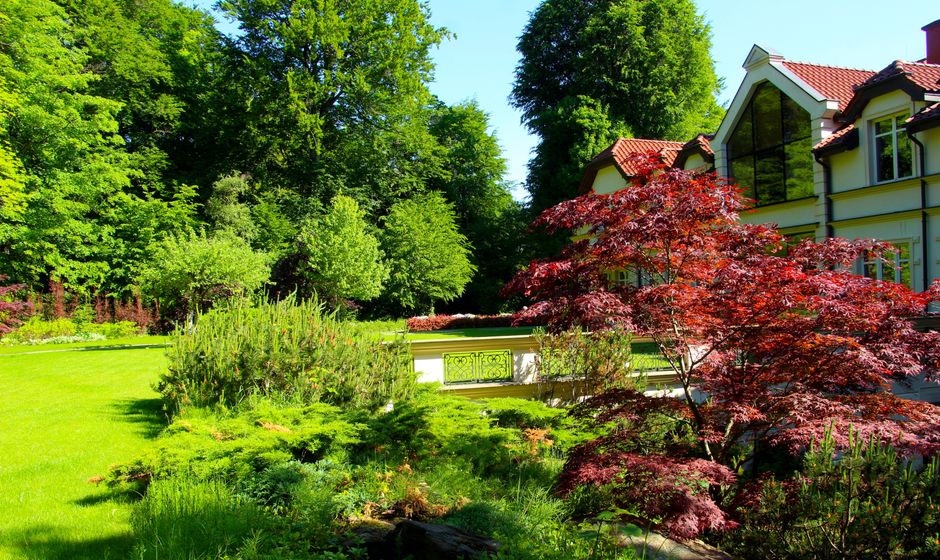
Imagine stepping into a vibrant garden filled with the lush greenery of native Nigerian plants. Not only does such a garden provide a refreshing retreat, but it's also a sustainable choice that supports local biodiversity. Whether you have a sprawling backyard or a compact urban space, you can create a thriving garden tailored to your environment.
Gardening in Nigeria offers unique opportunities and challenges, from the diverse climate zones to the variety of indigenous flora. With the right approach, you can transform any outdoor area into a personal paradise. In this comprehensive guide, we'll explore practical gardening tips and tricks suitable for Nigerian climates, ensuring your garden flourishes all year round.
Join us as we delve into the art of Nigerian gardening, from selecting the ideal plants to implementing sustainable practices. Whether you're a seasoned gardener or a novice looking to start your first garden, this guide provides valuable insights to help you cultivate a beautiful and productive outdoor space.
Understanding Nigeria's Climatic Zones
Overview of Climatic Zones
Nigeria is blessed with a variety of climatic zones, each offering unique gardening opportunities. From the humid regions in the south to the arid zones in the north, it's essential to understand the specific climate of your location.
- Humid Tropical Zone: Found in the south, this zone supports lush tropical plants and fruits.
- Savanna Zone: Characterized by mixed grasslands and trees, suitable for hardy and drought-resistant plants.
- Sahelian Zone: Located in the extreme north, this arid zone requires careful selection of drought-tolerant species.
Choosing Plants for Your Zone
Selecting the right plants for your climatic zone is crucial for a thriving garden. Indigenous plants are usually the best choice, as they are adapted to local conditions and require less maintenance.
- For humid areas, consider plants like cocoyam, plantain, and hibiscus.
- In savanna zones, opt for species such as guinea grass, baobab trees, and acacia.
- The Sahelian zone favors plants like date palms and millet.
Soil Preparation and Fertility
Testing and Amending Soil
Healthy soil is the foundation of any successful garden. Begin by testing your soil to understand its composition and nutrient needs. You can conduct a simple soil test at home or send a sample to a local agricultural extension office.
Based on the results, amend your soil with organic materials such as compost or manure. These not only improve soil structure but also boost fertility.
Using Local Resources
Take advantage of local gardening resources, such as agricultural waste, to enrich your soil. Using items like cassava peels or neem leaves can be cost-effective and environmentally friendly.
"Local resources often provide the best solutions for sustainable gardening. Embrace them to enhance your garden's productivity."
Creating a Sustainable Garden
Water Management Techniques
Efficient water management is key to sustainable gardening, particularly in areas with irregular rainfall. Implementing systems like rainwater harvesting or drip irrigation can significantly reduce water waste.
- Install rain barrels to collect water during the rainy season.
- Use mulching to retain soil moisture and reduce evaporation.
Natural Pest Control
Minimize the use of chemical pesticides by adopting natural pest control methods. Encourage beneficial insects, such as ladybugs and praying mantises, to manage pest populations.
Companion planting is another effective strategy, where certain plants are grown together to repel pests naturally. For example, marigolds can deter nematodes when planted alongside vegetables.
Designing Your Garden Layout
Maximizing Space in Urban Areas
If you're gardening in a city, space might be limited. Vertical gardening and container planting are excellent solutions to maximize your available area.
Consider using hanging pots, wall planters, or trellises to grow vegetables and herbs vertically. This not only saves space but also adds visual interest to your garden.
Incorporating Local Culture
Infuse your garden with elements of local culture and tradition. Include plants that hold cultural significance or use traditional materials for garden structures.
"Your garden is a reflection of you. Incorporate cultural elements to create a unique and personal space."
Final Thoughts
Creating a lush Nigerian garden is both a rewarding and fulfilling endeavor. By understanding your local climate, preparing your soil properly, and incorporating sustainable practices, you can cultivate a beautiful garden that thrives throughout the seasons.
Remember, gardening is a journey that evolves over time. Stay patient and enjoy the process, learning and adapting as you go. Whether you aim to grow fresh produce for your kitchen or simply want a serene green space to relax in, your garden can become a cornerstone of your home and lifestyle.
Embrace the diversity of Nigeria's flora and unlock the full potential of your outdoor space. Happy gardening!