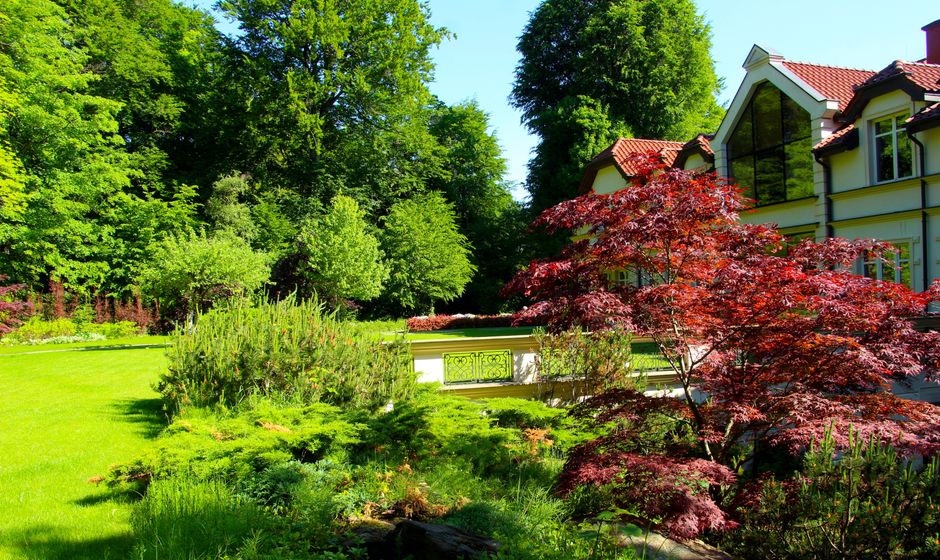
Imagine stepping into your backyard, a place not just for relaxation but a lush, vibrant oasis that reflects the natural beauty of Nigeria. Whether you have a generous outdoor space or a modest balcony, creating a Nigerian-inspired garden can offer you tranquility, a place to cultivate your own food, and a spot for social gatherings. With the right blend of native plants and thoughtful design, your outdoor area can become the envy of the neighborhood. In this article, we will explore practical tips and strategies to transform your outdoor space into a beautiful, sustainable garden, brimming with life and local charm.
Gardening in Nigeria offers unique opportunities and challenges. The country's diverse climate zones—from the wet, humid regions in the south to the arid zones in the north—present gardeners with a rich variety of plants to choose from. However, factors such as soil quality, water availability, and pest management require careful consideration. Fear not, though! With the right approach, you can overcome these challenges and create a thriving garden that reflects your personal style and makes the most of local resources.
Let's dive into the essential steps for setting up your Nigerian-inspired garden, from choosing the right plants to designing a layout that maximizes both beauty and utility.
Choosing the Right Plants for Your Climate
Understanding Nigeria's Climatic Zones
Nigeria's climate varies dramatically across its regions, and understanding your local conditions is crucial for selecting the right plants. In the humid, tropical south, you can grow a variety of lush, leafy greens, while the arid north requires more drought-resistant species.
- Tropical South: Ideal for plants like banana, plantain, pawpaw, and leafy vegetables such as ugu and waterleaf.
- Sahelian North: Focus on hardy plants like millet, sorghum, and drought-tolerant trees like neem.
- Mangrove & Coastal Areas: Consider salt-tolerant plants like coconut and mangrove species.
Native Nigerian Plants to Consider
Incorporating native plants into your garden not only supports local biodiversity but is also easier to maintain. These plants are naturally adapted to the local climate and soil conditions.
- Ogbono (Wild Mango): A versatile tree that provides shade and edible fruits.
- Osun (Camwood): Known for its beautiful red bark and medicinal properties.
- Okra: A staple in many Nigerian dishes, perfect for the home vegetable garden.
Designing Your Garden Layout
Maximizing Space and Sunlight
Whether you're working with a sprawling backyard or a small balcony, strategic planning is key to making the most of your space. Consider the path of the sun throughout the day to ensure your plants receive adequate light.
"A well-planned garden layout is like a work of art, where sunlight and shade dance together to nurture growth."
Use vertical gardening techniques to maximize space in smaller areas. Hanging pots and tiered plant stands can help you create a lush environment without taking up too much ground space.
Incorporating Pathways and Seating Areas
A garden isn't just for plants—it's for people too. Incorporate pathways using local materials like gravel or stones to guide visitors through your garden and prevent soil compaction around plants.
Consider adding a seating area for relaxation and entertainment. A simple bench or a few chairs can transform your garden into a cozy retreat, perfect for enjoying the fruits of your labor.
Maintaining Your Nigerian Garden
Soil Health and Fertility
Good soil is the foundation of any successful garden. Test your soil to determine its pH and nutrient levels, and amend it with local organic materials like compost or manure to improve fertility.
- Use mulch to retain moisture and reduce weed growth.
- Practice crop rotation to maintain soil health and prevent pest buildup.
Pest and Disease Management
Pests can be a challenge in Nigerian gardens, but natural control methods can help. Encourage beneficial insects like ladybugs and use neem oil or garlic sprays as organic deterrents.
"A healthy garden is a balanced ecosystem, where natural predators keep pests in check."
Regularly inspect plants for signs of disease and remove any infected foliage to prevent spread.
Adding a Personal Touch
Garden Art and Decorations
Express your personal style by adding artistic elements to your garden. Consider locally-made crafts such as clay pots, sculptures, or painted stones to add color and interest.
String lights or lanterns can create a magical atmosphere for evening gatherings, while wind chimes add a soothing auditory element.
Cultural and Personal Themes
Incorporate elements that reflect your cultural heritage or personal interests. This could be a section dedicated to medicinal plants, a vegetable patch for favorite family recipes, or plants with cultural significance.
Share your garden with friends and family, perhaps hosting a small gathering to celebrate your hard work and the beauty of nature.
Conclusion
Creating a Nigerian-inspired garden is not just about planting pretty flowers; it's about cultivating a space that resonates with your lifestyle and values. By understanding your local climate, choosing the right plants, and designing a functional layout, you can create a garden that is not only beautiful but also sustainable.
Whether you're looking to grow your own food, create a serene retreat, or simply beautify your home, a well-designed garden can offer endless rewards. Embrace the opportunity to connect with nature and discover the joy of gardening in Nigeria.