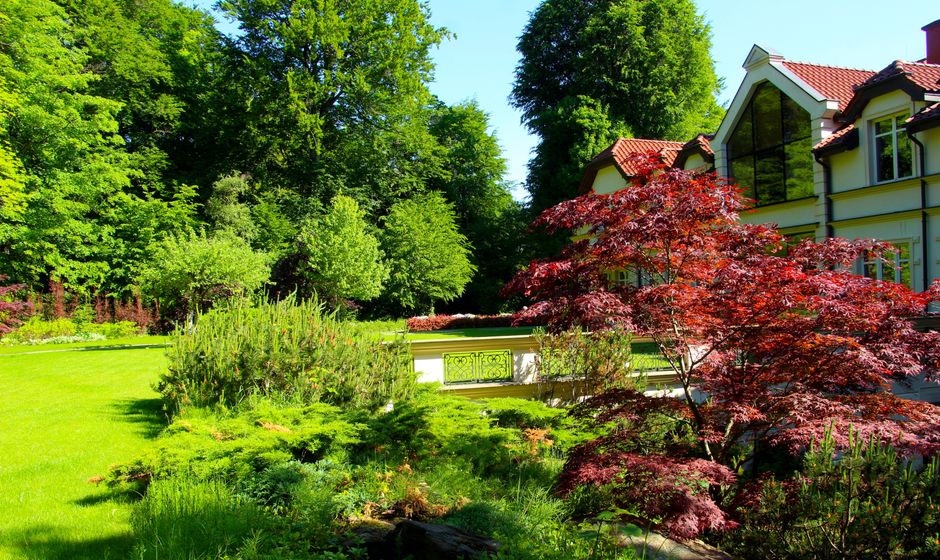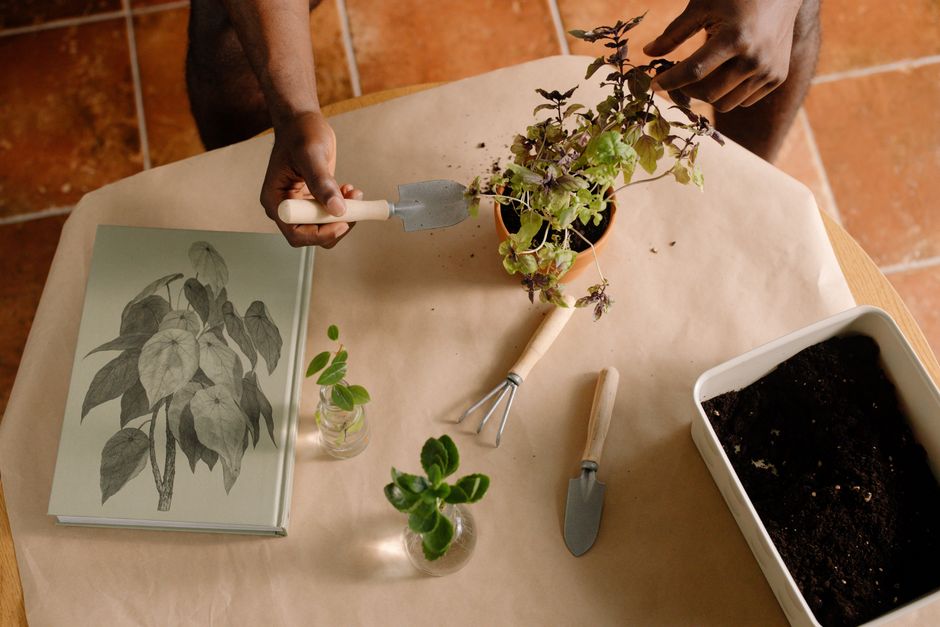
Gardening in Nigeria offers a unique blend of challenges and rewards. Whether you're a seasoned gardener or a beginner looking to nurture a green thumb, creating a sustainable garden is not only beneficial for the environment but also a fulfilling hobby. In Nigeria, with its diverse climate ranging from the humid south to the arid north, understanding how to adapt your gardening practices to the local conditions is key. Let's explore how you can establish a flourishing, sustainable garden that not only thrives in the Nigerian climate but also contributes positively to the ecosystem.
Building a sustainable garden means more than just planting a few shrubs and watering them regularly. It involves a mindful approach to using resources, selecting the right plants, and employing techniques that promote the health of your garden and its surroundings. In a country blessed with a wide variety of plants and a growing season that lasts almost year-round, there's no better place to start your gardening journey.
Join us as we dive into the essentials of creating a sustainable garden in Nigeria, from choosing native plants to adopting eco-friendly practices. We'll cover everything you need to know to transform your outdoor space into a thriving oasis.
Understanding Your Local Climate
Identifying Your Gardening Zone
Nigeria's climate varies significantly from region to region, affecting what you can grow and when. Understanding your local gardening zone will help you select plants that are more likely to thrive in your area. Nigeria is predominantly tropical, with two main seasons: the rainy season and the dry season. Knowing the specifics of your local area, such as average rainfall, temperature, and humidity, is crucial for successful gardening.
- Southern Nigeria: Receives heavy rainfall and experiences high humidity, ideal for tropical plants.
- Northern Nigeria: More arid with less rainfall, suited for drought-resistant varieties.
Seasonal Planting Guide
Timing is everything in gardening. Planting according to the seasons ensures that your plants have the best chance of survival and growth. For example, the rainy season is the best time to plant most crops in Nigeria as it provides ample water naturally.
- Rainy Season: Planting of root crops like yam and cassava.
- Dry Season: Consider planting drought-resistant plants or adopting irrigation systems.
Selecting the Right Plants
Choosing Native Plants
Native plants are particularly beneficial in sustainable gardening because they are adapted to the local climate and soil conditions. They require less water and care compared to non-native species, making them an environmentally friendly choice.
Some popular native plants in Nigeria include:
- Ogbono (Irvingia gabonensis): Known for its edible seeds and hardiness.
- Bitterleaf (Vernonia amygdalina): Common in many Nigerian dishes and easy to grow.
- Moringa (Moringa oleifera): A versatile plant with numerous nutritional benefits.
Companion Planting
Companion planting involves growing certain plants together to enhance growth, deter pests, and improve yields. For example, planting tomatoes with basil can enhance flavor and repel insects.
"Companion planting is a natural way to protect crops and increase productivity. It mimics natural ecosystems and reduces the need for chemical interventions."
Implementing Sustainable Practices
Water Conservation Techniques
Water is a precious resource, and conserving it is a critical component of sustainable gardening. There are several techniques to ensure efficient water use:
- Drip Irrigation: Delivers water directly to the roots, minimizing waste.
- Rainwater Harvesting: Collects and stores rainwater for use during dry periods.
- Mulching: Applies a layer of material to the soil to retain moisture and suppress weeds.
Organic Pest Control
Maintaining a healthy garden without relying on synthetic chemicals is possible through organic pest control methods. Some effective strategies include:
- Neem Oil: A natural pesticide that protects plants from a variety of pests.
- Companion Planting: As mentioned earlier, certain plants repel pests when grown together.
- Beneficial Insects: Encourage insects like ladybugs and praying mantises that naturally control pest populations.
Enhancing Soil Health
Composting
Rich, healthy soil is the foundation of a sustainable garden. Composting is an excellent way to improve soil health by recycling organic waste into valuable nutrients.
Here’s how you can start composting at home:
- Collect kitchen scraps like vegetable peels and fruit rinds.
- Add yard waste such as leaves and grass clippings.
- Turn the compost pile regularly to aerate it and speed up decomposition.
Natural Fertilizers
Instead of synthetic fertilizers, opt for natural options like manure or compost tea to enrich the soil. These alternatives improve soil structure and fertility without harming the environment.
"Healthy soil is alive with microorganisms that support plant growth. By nurturing the soil, we nurture our plants."
Creating a Biodiverse Garden
Attracting Pollinators
Pollinators like bees, butterflies, and birds are essential for a thriving garden. Planting a variety of flowering plants can attract these beneficial creatures.
Some Nigerian plants that attract pollinators include:
- Sunflowers: Known for their bright blooms and ability to attract bees.
- Zinnias: Hardy flowers that come in a range of vibrant colors.
- Hibiscus: Provides nectar for hummingbirds and butterflies.
Creating Wildlife Habitats
Encourage biodiversity by creating habitats within your garden. This can be as simple as leaving a pile of logs for insects or providing a birdbath for feathered visitors.
By fostering a diverse ecosystem, your garden becomes a sanctuary for various species, promoting a healthy balance.
Conclusion
Building a sustainable garden in Nigeria is a rewarding journey that not only enhances your home but also contributes to the global movement towards sustainability. By understanding your local climate, choosing native plants, implementing eco-friendly practices, and nurturing your soil, you can create a garden that is both beautiful and resilient. Embrace the natural resources around you and turn your garden into a thriving ecosystem.
Remember, the key to successful gardening is patience and observation. By paying attention to your plants and environment, you'll learn what works best in your unique setting. Happy gardening!