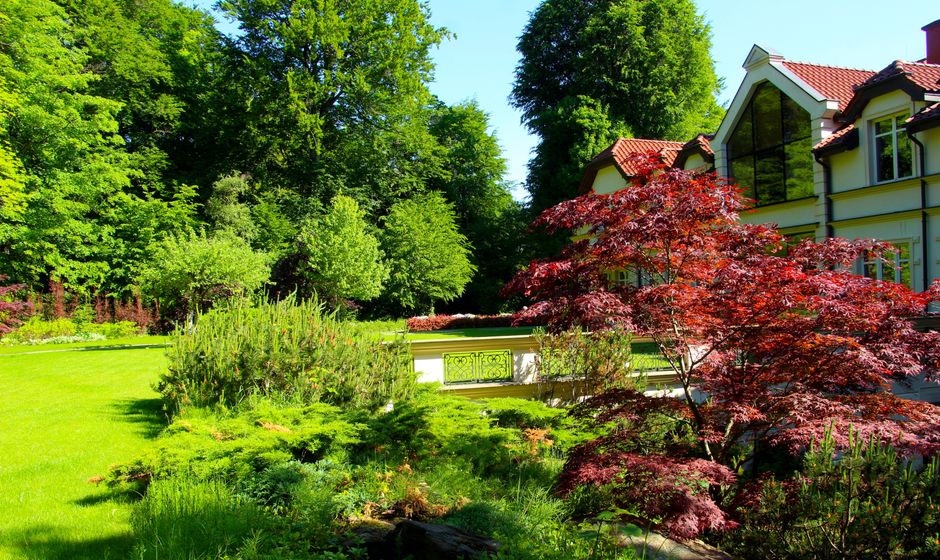
Imagine stepping into your backyard and being greeted by the vibrant greens of native plants, the sweet aroma of hibiscus, and the gentle hum of indigenous bees. Creating a sustainable garden in your Nigerian home is not just an enriching hobby; it contributes significantly to the health of our environment. As we experience climate changes, the call for more eco-friendly practices becomes louder and clearer. Whether you have a large compound or a small balcony, sustainable gardening is within reach.
Many Nigerians are becoming more aware of the benefits of incorporating organic and sustainable practices into their gardens. It’s about making conscious choices that not only beautify our homes but also support local ecosystems. But where do you start? With this guide, we’ll walk through practical steps, from selecting the right plants to implementing eco-friendly gardening techniques.
Let’s dig deeper into the art of sustainable gardening, exploring how you can transform any space into a lush, eco-friendly sanctuary.
Understanding Sustainable Gardening
Before we start planting, it is crucial to understand what sustainable gardening means. At its core, sustainable gardening involves practices that are environmentally friendly and economically viable, ensuring that our natural resources are preserved for future generations.
Why Choose Sustainable Gardening?
- Environmental Preservation: By minimizing chemical use and promoting biodiversity, sustainable gardening helps restore natural habitats.
- Cost-Effective: Utilizing native plants often requires less water and maintenance, reducing overall costs.
- Health Benefits: Growing your own food without pesticides ensures fresher and safer produce.
In Nigeria, where the climate can vary greatly from region to region, sustainable gardening also means adapting practices that suit local conditions and species.
Principles of Sustainability
- Conservation: Use resources, such as water and energy, efficiently.
- Biodiversity: Encourage a variety of plants and wildlife to create a balanced ecosystem.
- Soil Health: Maintain soil fertility through composting and natural fertilizers.
By adhering to these principles, your garden will not only thrive but also support surrounding ecosystems.
Choosing the Right Plants
The first step in creating a sustainable garden is selecting plants that are native to your region. These species are naturally adapted to local climate conditions, making them easier to grow and maintain.
Native Nigerian Plants
Consider incorporating these native plants into your garden:
- Hibiscus: Known for its vibrant flowers, hibiscus is both ornamental and useful for making tea.
- Jatropha: A hardy plant that attracts butterflies and bees.
- Sorghum: This drought-resistant grain is perfect for dry areas.
These plants not only require less water but also provide habitats for local wildlife.
Companion Planting
Companion planting involves growing different plants together for mutual benefits. This technique can enhance growth, repel pests, and increase yields.
- Tomatoes and Basil: Planting these together can improve flavor and repel insects.
- Marigolds: Known to deter nematodes and other garden pests.
Experiment with different combinations to find what works best in your garden.
Eco-Friendly Gardening Practices
Once you have your plants, it’s time to get your hands dirty with sustainable practices that will keep your garden thriving.
Water Conservation
Water is a precious resource, and conserving it is crucial in sustainable gardening.
- Drip Irrigation: This system delivers water directly to the roots, reducing wastage.
- Rainwater Harvesting: Use barrels to collect rainwater for irrigating your plants.
These methods ensure your garden gets the water it needs without unnecessary waste.
Organic Pest Control
Keeping pests at bay doesn’t have to involve harsh chemicals. Here are some natural alternatives:
- Neem Oil: Derived from neem trees, this oil is effective against many common pests.
- Garlic Spray: A simple mixture of garlic and water can repel insects.
These solutions are safe for both your plants and the environment.
DIY Solutions for a Greener Garden
Part of the charm of sustainable gardening is the ability to get creative with DIY projects that are both fun and practical.
Composting
Composting is a fantastic way to recycle kitchen and garden waste into nutrient-rich soil.
- Simple Compost Bin: Create your own compost bin using old wooden pallets or plastic containers.
- Kitchen Scraps: Collect vegetable peels, coffee grounds, and eggshells for your compost.
This method enriches your soil and reduces waste.
Upcycled Garden Decor
Transform old household items into charming garden decor.
- Plastic Bottle Planters: Cut and decorate old bottles for plant pots.
- Pallet Garden Bed: Use wooden pallets to create raised garden beds or furniture.
These projects add a personal touch while promoting recycling.
Conclusion
Creating a sustainable garden in Nigeria is a rewarding journey that not only beautifies your home but also nurtures the environment. By understanding and implementing the principles of sustainable gardening, choosing the right plants, and using eco-friendly practices, you can make a significant impact. Whether you’re growing your own food or simply enjoying the beauty of your garden, remember that every little effort contributes to a healthier planet. Start small, stay committed, and watch your green space thrive.