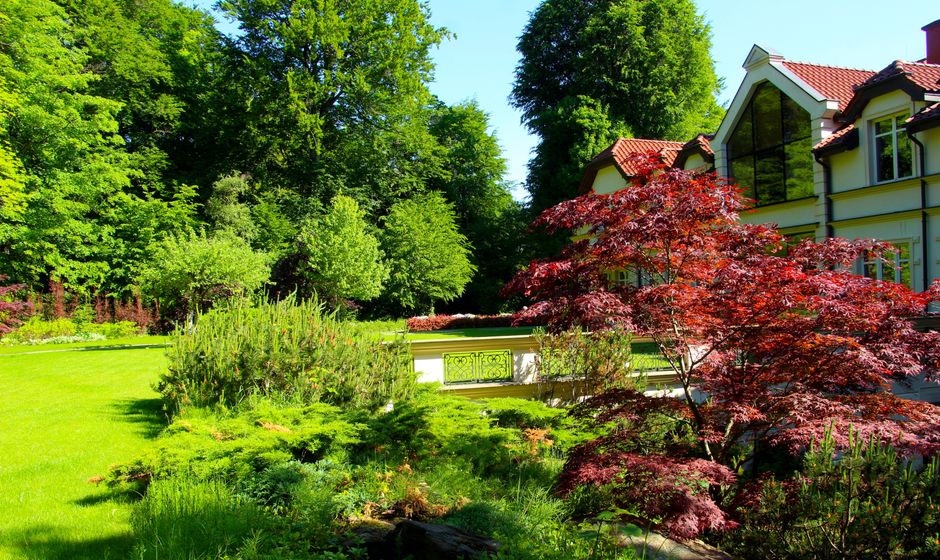
Imagine stepping into your backyard and feeling as if you've entered a tranquil oasis, a place where vibrant colors and soothing scents invite you to unwind and reconnect with nature. This dream can become a reality without needing a professional landscaper or a massive budget. By creating a sustainable garden oasis, you not only enhance the aesthetic appeal of your home but also contribute positively to the environment.
In Nigeria, where the climate ranges from tropical to semi-arid, sustainable gardening practices are essential. By leveraging native plants, efficient water use, and eco-friendly gardening techniques, you can create a beautiful and sustainable garden that thrives year-round. Let's dive into the steps to transform your backyard into a sustainable paradise.
Choosing Native Plants
Why Native Plants Matter
Native plants are adapted to local climatic conditions, making them resilient against pests and diseases. They require less water and maintenance compared to exotic species, making them an excellent choice for sustainable gardening.
- Resilience: These plants are accustomed to the local soil and weather, ensuring better growth and survival rates.
- Low Maintenance: Native plants thrive with minimal intervention, perfect for our busy lifestyles.
"Planting native species is not just about beauty; it's about creating a garden that harmonizes with the local ecosystem."
Top Native Nigerian Plants to Consider
Here are some native Nigerian plants that can add beauty and sustainability to your garden:
- Hibiscus: Known for their stunning blooms, these plants are perfect for adding a splash of color.
- Aloe Vera: Besides its medicinal benefits, aloe vera is drought-resistant and easy to care for.
- Moringa: A highly nutritious plant that is both ornamental and functional.
Water Management Techniques
Rainwater Harvesting
With Nigeria's seasonal rains, collecting and storing rainwater is a sensible approach to sustainable gardening. Installing rain barrels can significantly reduce dependence on municipal water for garden irrigation.
"Using rainwater not only conserves water but also provides plants with chlorine-free nourishment."
Drip Irrigation Systems
This efficient watering method delivers water directly to the plant roots, reducing wastage and promoting healthy plant growth. Drip irrigation can be easily set up with minimal investment.
- Efficiency: Reduces water use by targeting the root zone directly.
- Cost-Effective: Lowers water bills and minimizes runoff.
Composting for Fertility
Starting a Compost Bin
Composting transforms kitchen scraps and garden waste into nutrient-rich soil amendments. Start by collecting organic waste in a designated area or bin and turn it regularly to speed up decomposition.
"Composting is Mother Nature’s recycling system — turning waste into a valuable resource for your garden."
Benefits of Composting
- Improved Soil Health: Compost boosts soil fertility and structure, promoting robust plant growth.
- Waste Reduction: Reduces landfill waste and greenhouse gas emissions.
Implementing Eco-Friendly Practices
Natural Pest Control
Encourage beneficial insects such as ladybugs and bees to control garden pests naturally. Companion planting and using organic repellents like neem oil can also be effective.
- Balanced Ecosystem: Promotes biodiversity and reduces the need for chemical pesticides.
- Safe Environment: Ensures a healthier garden ecosystem for you and your family.
Mulching for Soil Protection
Applying mulch around plants conserves moisture, suppresses weeds, and adds organic matter to the soil. Use materials like straw, leaves, or wood chips to mulch your garden beds.
"A well-mulched garden is a thriving garden — protecting plants while enriching the soil."
Final Thoughts
Creating a sustainable garden oasis in your Nigerian home is an achievable goal that yields numerous benefits. By choosing native plants, managing water usage wisely, composting, and adopting eco-friendly practices, you foster a garden that thrives naturally. Not only will your garden become a haven of peace and beauty, but it will also contribute positively to the local ecosystem and community.
Embrace these sustainable gardening practices today, and transform your backyard into a vibrant and eco-friendly sanctuary.