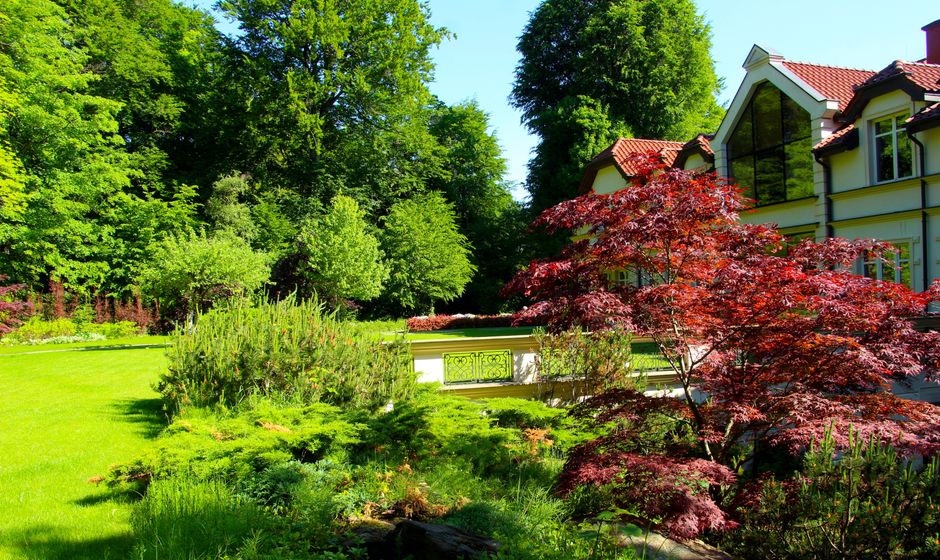
If you're dreaming of a lush, thriving herb garden right in your backyard, you're not alone. Many Nigerians are discovering the joys of growing their own herbs. Whether you're in bustling Lagos or the serene countryside of Enugu, creating a sustainable herb garden is both rewarding and practical. With the right approach, you can enjoy fresh, aromatic herbs all year round. This article will guide you through the essential steps to create a sustainable herb garden at home, tailored to the unique Nigerian climate and lifestyle.
Herb gardening is not just a hobby; it’s a lifestyle choice that promotes health, sustainability, and self-reliance. Imagine picking fresh basil for your jollof rice or mint leaves for your zobo. With a little planning and effort, you can turn any space, big or small, into a flourishing herb garden.
Let's explore how you can start, maintain, and enjoy the benefits of growing your own herbs in Nigeria.
Choosing the Right Herbs for Nigerian Climate
Understanding Climate Zones
Nigeria's climate ranges from humid and tropical in the south to arid in the north. Understanding your local climate zone is crucial for selecting the right herbs. In the tropical south, you might prefer moisture-loving herbs, while the drier north might suit drought-resistant varieties.
- Basil: Thrives in warm, sunny conditions and is perfect for southern regions.
- Mint: Prefers cooler, shaded areas, ideal for northern climates.
- Thyme: A hardy herb that can withstand dry spells, perfect for all climates.
Popular Herbs to Grow
- Rosemary: Known for its woody aroma and resilience.
- Coriander: Adds a citrusy flavor to dishes, suitable for the Nigerian palate.
- Lemongrass: A staple in many West African recipes, easy to grow and maintain.
Setting Up Your Herb Garden
Essential Tools and Materials
Before you start planting, gather the necessary tools and materials. You’ll need pots or containers, soil, water cans, and garden shears. If you're planting directly in the ground, prepare your soil with compost and organic fertilizers.
"A well-prepared garden bed is the foundation of a successful herb garden."
Choosing the Right Location
Your herbs will need plenty of sunlight, so pick a spot that receives at least 6-8 hours of sunlight daily. If space is limited, consider vertical gardening or using window boxes, which are great for urban settings.
Caring for Your Herb Garden
Watering and Feeding
Regular watering is crucial, especially in the dry season. A drip irrigation system can be an efficient way to minimize water use. Feed your herbs with organic fertilizers like chicken manure or compost tea every few weeks.
Pruning and Harvesting
Pruning encourages growth and prevents your herbs from becoming woody. Regularly harvesting the leaves will ensure your plants remain productive.
Troubleshooting Common Problems
Dealing with Pests
Pests like aphids and caterpillars can be a challenge. Organic solutions such as neem oil or introducing beneficial insects like ladybugs can help keep them at bay.
Preventing Diseases
Fungal diseases can be prevented by ensuring good air circulation around your plants and avoiding overhead watering.
Maximizing Your Harvest
Preserving Herbs
Once you start harvesting, you'll want to preserve the surplus. Drying, freezing, or creating infused oils are excellent ways to enjoy your herbs long after harvest.
Sharing with the Community
Consider sharing your bounty with neighbors or using it as an opportunity to trade herbs and gardening tips.
Conclusion
Creating a sustainable herb garden in Nigeria is not just about growing plants; it's about cultivating a healthier lifestyle and a closer connection to nature. Whether you’re an experienced gardener or a beginner, these steps can guide you on your green journey. Remember, gardening is a patience game, and every small effort counts. Happy gardening!