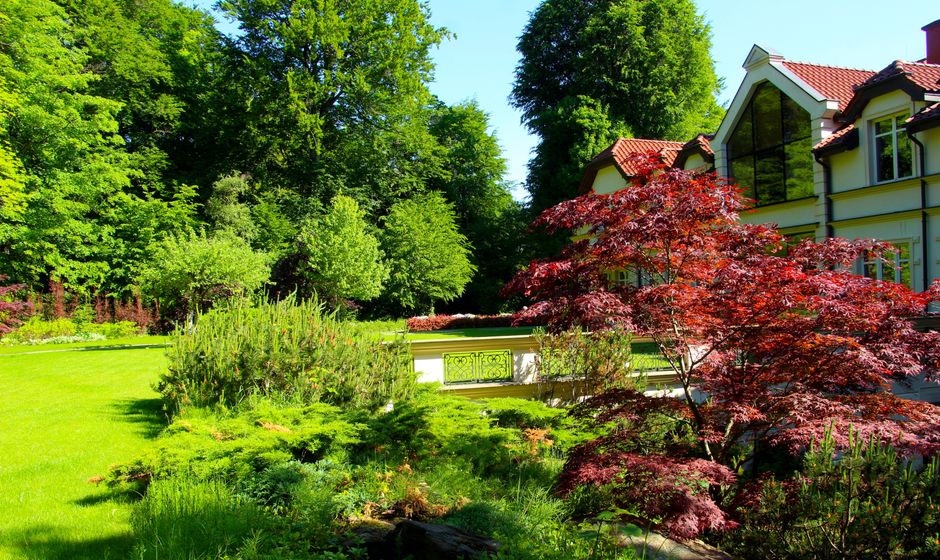
Gardening in the heart of a bustling Nigerian city might seem like a daunting task, but with a little creativity and the right guidance, it's entirely possible to transform any small space into a lush vegetable oasis. Whether it's a balcony in Lagos or a rooftop in Abuja, the joy of cultivating fresh produce is well within your reach. Starting your urban vegetable garden can not only provide you with fresh and organic vegetables but also contribute positively to your mental and physical well-being.
In this guide, we will explore the essential steps to kick-start your vegetable garden in an urban Nigerian setting. From choosing the right container to understanding the local climate, you'll find everything you need to create a thriving garden. So grab your gardening gloves, and let's dig into the world of urban gardening!
Choosing the Right Location
The first step in creating a successful vegetable garden is selecting the perfect spot. Since space is often limited in urban environments, optimizing the available area becomes crucial.
Sunlight Exposure
Most vegetables require at least 6 to 8 hours of direct sunlight daily. Observe your potential garden space throughout the day to ensure it receives adequate sunlight. Balconies, rooftops, and sunny windowsills can be excellent locations.
- Position pots where they catch the morning sun.
- If sunlight is limited, consider growing shade-tolerant plants like lettuce or spinach.
Accessibility and Convenience
Your garden should be easy to access for daily care such as watering, weeding, and harvesting. Choose a location that's convenient for regular visits and maintenance.
- Avoid areas prone to strong winds or heavy rains.
- Ensure water sources are nearby for ease of irrigation.
Selecting the Right Containers
Urban gardening often involves container gardening due to limited space. Selecting the right containers is crucial for the health of your plants.
Types of Containers
Containers come in various sizes and materials. Choose ones that fit your space and plant needs.
- Plastic Pots: Lightweight and affordable, perfect for small plants.
- Terracotta Pots: Porous nature allows better airflow to roots.
- Fabric Grow Bags: Excellent for root aeration, suitable for larger plants.
Drainage
Ensure containers have adequate drainage holes to prevent waterlogging, which can lead to root rot.
Tip: Place a layer of stones or pebbles at the bottom of your pots before adding soil to enhance drainage.
Preparing the Soil
The quality of your soil directly affects the health of your plants. For container gardening, a well-draining, nutrient-rich soil mix is ideal.
Soil Composition
Use a mix that contains equal parts of compost, coconut coir, and perlite to provide aeration and retain moisture without waterlogging.
Adding Nutrients
Enrich your soil with organic matter. Compost and well-rotted manure are excellent choices. They improve soil fertility and structure.
- Incorporate a slow-release organic fertilizer at planting for sustained nutrition.
Choosing the Right Vegetables
Select vegetables that thrive in your climate and suit your taste preferences. Some varieties are better suited for container gardening than others.
Climate Considerations
Nigeria's climate varies from tropical in the south to arid in the north. Choose varieties that match your local climate conditions.
- Tomatoes, peppers, and okra thrive in the warmer southern regions.
- Cabbage, carrots, and beets are better suited for cooler northern areas.
Easy-to-Grow Vegetables
For beginners, start with easy-to-grow vegetables that offer high yields with minimal effort.
- Lettuce and leafy greens for quick harvests.
- Radishes and carrots for root vegetables.
Maintaining Your Garden
Regular maintenance is key to a flourishing vegetable garden. With consistent care, your garden will provide you with bountiful harvests.
Watering
Water your plants early in the morning or late in the evening to minimize evaporation. Consistent moisture is crucial for healthy plant growth.
- Use a watering can for precision in containers.
- Mulch the soil surface to retain moisture and reduce watering frequency.
Pest and Disease Control
Regularly inspect your plants for signs of pests or disease. Early detection and intervention can prevent the spread and save your crops.
- Use neem oil or insecticidal soap for natural pest control.
- Rotate crops to prevent soil-borne diseases.
Conclusion
Embarking on a journey to create an urban vegetable garden in Nigeria's cities is both rewarding and fulfilling. With careful planning, right plant choices, and diligent care, your small space can transform into a green haven, providing fresh produce and an oasis of tranquility amidst the urban hustle. Remember, patience and consistency are your allies in this gardening adventure. Happy planting!