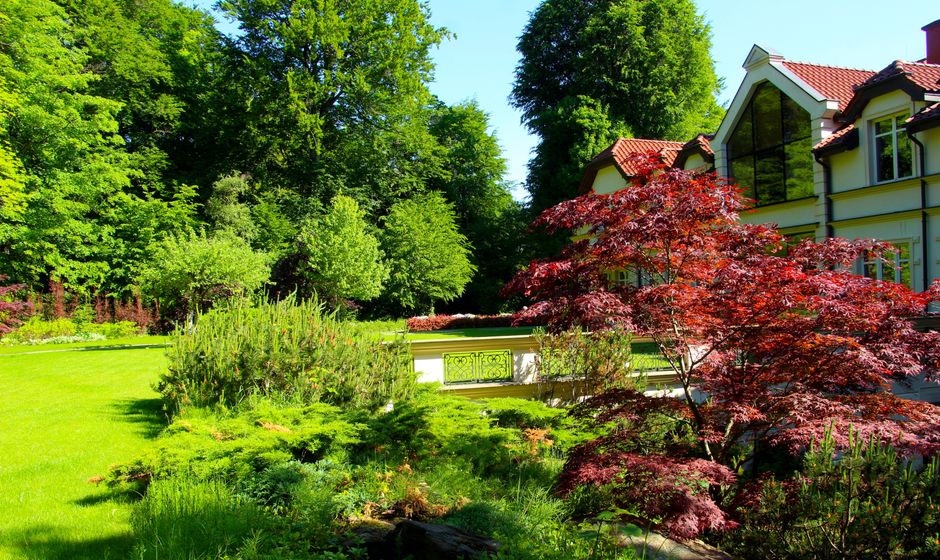
Imagine stepping out into your backyard, greeted by the vibrant colors of blooming flowers, the rich scent of herbs, and the gentle rustle of leaves. This scene is more than just a dream; it's a reality you can cultivate right here in Nigeria. With its diverse climate and rich soils, Nigeria is a gardener's paradise waiting to be explored. Whether you're a seasoned gardener or just beginning your journey, creating a lush, thriving garden is an achievable goal with the right knowledge and techniques.
Gardening in Nigeria offers unique challenges and opportunities that make it an exciting endeavor. From understanding the local climate to choosing the right plants, every step is crucial in crafting your own slice of paradise. This guide is designed to help you navigate these challenges with ease, providing you with practical tips and expert insights to ensure your garden flourishes year-round.
Let's dive into the world of gardening and explore how you can transform your outdoor space into a haven of beauty and productivity. With these tips, you'll be well on your way to creating a garden that not only enhances your home's aesthetic appeal but also contributes to environmental sustainability.
Understanding the Nigerian Climate
Nigeria's climate is as varied as its landscapes, ranging from the arid north to the humid south. Understanding your local climate is key to selecting the right plants and ensuring their success.
Climate Zones and Plant Selection
Nigeria is divided into distinct climate zones: Sahelian, Savannah, and Rainforest. Each zone offers different opportunities for gardening.
- Sahelian Zone: Characterized by low rainfall and high temperatures. Ideal for drought-resistant plants like succulents and certain grasses.
- Savannah Zone: Features a mix of wet and dry seasons. Perfect for tropical fruits and vegetables like okra and tomatoes.
- Rainforest Zone: Receives high rainfall and supports a wide variety of plants, including cocoa, banana, and rubber trees.
Adapting to Seasonal Changes
Seasonal changes impact your gardening activities. Understanding these can help you plan planting and harvesting times effectively.
- Wet Season: Focus on planting and nurturing young plants.
- Dry Season: Implement water conservation techniques and protect plants from harsh sun.
Soil Preparation and Improvement
The foundation of any successful garden is its soil. Nigerian soils are generally fertile, but proper preparation is still essential.
Testing and Amending the Soil
Conduct a soil test to determine its composition and fertility. Based on results, amend the soil with organic matter to improve its structure and nutrient content.
"Healthy soil is the bedrock of a thriving garden. Invest time in understanding and nurturing your soil for the best results."
Composting for Nutrient-Rich Soil
Composting is an excellent way to recycle organic waste into valuable nutrients for your garden. Start a compost pile using kitchen scraps and garden waste to create a rich, organic soil amendment.
Choosing the Right Plants
Selecting the right plants for your garden is crucial for success. Consider the climate, soil type, and your personal preferences.
Embracing Native and Indigenous Plants
Native plants are adapted to local conditions and require less maintenance. They also support local wildlife and biodiversity.
- Flowers: Hibiscus, Bougainvillea, and Allamanda.
- Herbs: Scent leaf and Basil.
- Fruits and Vegetables: Pawpaw, Plantain, and Ugu (Fluted Pumpkin).
Creating a Balance
Balance ornamentals with edibles for a garden that's both beautiful and productive. Mix flowering plants with vegetables and herbs to enjoy blooms and harvests.
Watering Techniques and Conservation
Water is a precious resource. Efficient watering techniques not only conserve water but also ensure your plants thrive.
Efficient Watering Practices
Water early in the morning or late in the evening to reduce evaporation. Use drip irrigation or soaker hoses for direct and efficient water delivery.
Rainwater Harvesting
Collect and store rainwater for use in your garden. This sustainable practice reduces reliance on municipal water and is beneficial during dry seasons.
Pest Management and Plant Health
Keeping your plants healthy involves managing pests and diseases effectively. An integrated approach ensures minimal impact on the environment.
Natural Pest Control Methods
Implement companion planting and use natural predators to control pests. For example, marigolds repel nematodes, while ladybugs handle aphids.
"A healthy garden is a balanced ecosystem. Encourage beneficial insects and use natural remedies to manage pest populations."
Monitoring and Maintenance
Regularly inspect your plants for signs of stress or disease. Early detection leads to swift action and helps maintain plant health.
Final Thoughts
Gardening in Nigeria can be a rewarding endeavor, offering both aesthetic pleasure and practical benefits. By understanding your local climate, preparing your soil, selecting the right plants, and implementing sustainable practices, you can create a garden that thrives. Remember, every garden is unique, and part of the joy is discovering what works best for you. So, roll up your sleeves, get your hands in the soil, and watch your garden grow into a vibrant oasis.