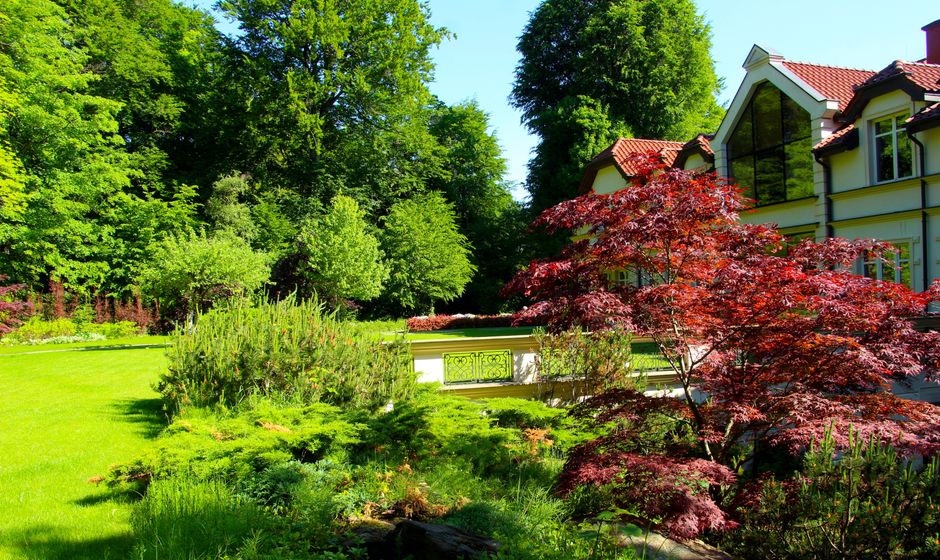
Imagine stepping into your backyard and being enveloped by the fragrant aroma of blooming flowers, the gentle rustling of leaves, and the soothing sounds of a bubbling fountain. This tranquil escape can be more than just a dream—it can be your reality with the right planning and care. Creating a garden oasis in Nigeria might seem challenging given the diverse climate and soil conditions, but with the right know-how, you can cultivate a personal paradise that reflects your style and meets the local environmental needs.
Whether you're an experienced gardener or just starting out, understanding the fundamentals of soil preparation, plant selection, water management, and layout design will set you up for success. In this comprehensive guide, we'll walk you through each step, offering insights and tips tailored to Nigerian gardens.
Understanding Your Soil
Identifying Soil Types
The first step in creating a thriving garden is understanding the type of soil you have. In Nigeria, the soil varies widely from region to region, ranging from sandy soils in the northern areas to clay-rich soils in the southern regions. Knowing your soil type is crucial because it affects water retention, nutrient availability, and the types of plants you can cultivate.
- Sandy Soil: Drains quickly but may require additional nutrients and organic matter to improve retention.
- Clay Soil: Retains moisture well but can become waterlogged, needing proper aeration and possibly raised beds for some plants.
- Loamy Soil: Ideal for gardening as it retains moisture yet drains well, often found in mixed regions.
Improving Soil Quality
Once you identify your soil type, enhancing its quality will help foster a vibrant garden. Incorporating organic matter such as compost or manure can significantly improve soil health. Compost not only provides essential nutrients but also improves the soil structure, aiding in better water retention and root growth.
"Healthy soil is the foundation of a healthy garden. Regularly amend your soil with organic matter to maintain its fertility."
Choosing the Right Plants
Native vs. Exotic Plants
When selecting plants, consider incorporating native species which are typically more resilient to local pests and diseases. Native plants such as the African tulip tree or hibiscus are well adapted to Nigerian climates and can thrive with less maintenance.
Exotic plants, while beautiful, may require more care, including specialized watering and fertilization. If you choose exotic varieties, ensure they are suited to your specific climate zone to prevent any gardening headaches.
Seasonal Planting
Nigeria's climate, characterized by wet and dry seasons, dictates optimal planting times. Plan your garden to take advantage of the rainy season for planting crops like tomatoes, peppers, and okra which thrive in moisture-rich conditions.
- Wet Season: Best for planting vegetables and moisture-loving plants.
- Dry Season: Focus on drought-resistant plants and mulching to conserve soil moisture.
Effective Water Management
Irrigation Techniques
Water is a precious resource, especially during Nigeria's dry season. Implementing efficient irrigation systems such as drip irrigation can conserve water while ensuring your plants receive adequate hydration. Drip systems deliver water directly to the plant roots, minimizing evaporation and waste.
"Conserve water and ensure efficient delivery by using drip irrigation systems. It's a smart and sustainable choice for any Nigerian garden."
Rainwater Harvesting
Maximize the wet season's rainfall by installing rainwater harvesting systems. Collecting rainwater not only reduces your utility bills but also provides a reliable water source during dry spells. Simple systems can be set up using barrels and gutters to direct rainfall into storage containers.
Designing Your Garden Layout
Creating Zones
Think of your garden as an extension of your living space. Designing distinct zones for different purposes, such as a vegetable patch, relaxation area, or children’s play zone, can make your garden more functional and enjoyable.
Incorporate pathways and seating areas to encourage exploration and relaxation. Use local materials such as stone or bamboo to create natural and aesthetically pleasing features.
Incorporating Water Features
Water features like fountains or small ponds not only enhance the beauty of your garden but also attract wildlife and promote biodiversity. Choose features that complement your garden’s size and style while keeping maintenance requirements in mind.
Maintaining Your Garden Oasis
Regular Upkeep
Maintaining your garden involves regular activities like weeding, pruning, and pest control. Establish a routine that includes these tasks to keep your garden healthy and attractive. Using organic pest control methods can help protect beneficial insects and the environment.
Seasonal Adjustments
Be prepared to make seasonal adjustments such as adding mulch during the dry season or planting cover crops to improve soil health. Adapting your garden to the changing seasons ensures year-round beauty and productivity.
Conclusion
Creating a stunning garden oasis in Nigeria is an achievable goal with the right approach and dedication. By understanding your soil, choosing appropriate plants, managing water efficiently, and designing a thoughtful layout, you can transform your outdoor space into a peaceful retreat. Embrace the journey of gardening and enjoy the rewards of a thriving, beautiful garden that reflects your passion and creativity. Remember, a garden is a living canvas, and with each season, there are new opportunities for growth and renewal.