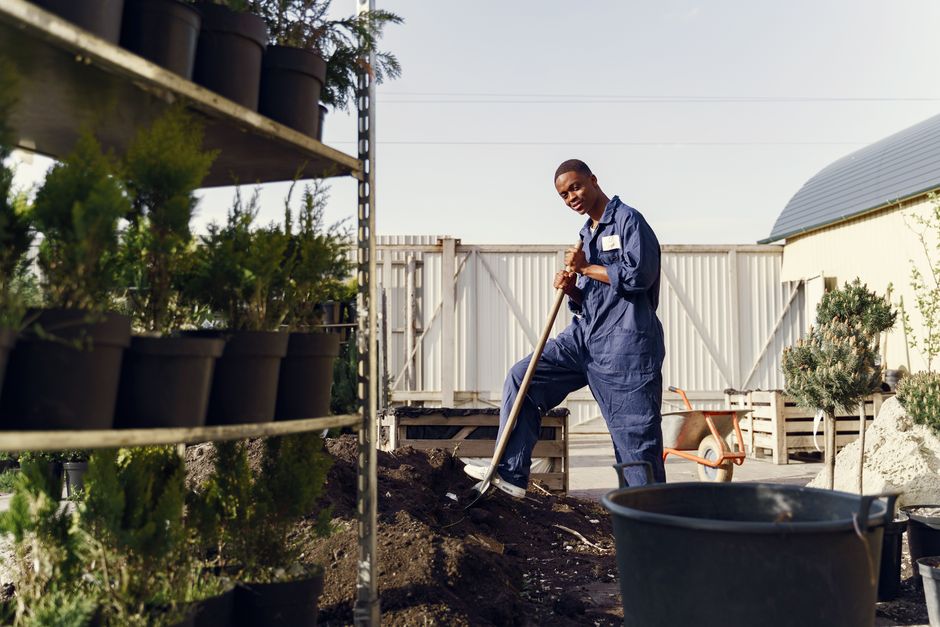
Gardening is a beloved pastime in Nigeria. Whether you're cultivating a small vegetable patch or a sprawling flower bed, the joy of watching your plants thrive is unmatched. However, there's no shortage of advice, both good and bad. Many garden myths have persisted over the years, often leading to confusion and sometimes even frustration for gardeners. Are you guilty of following any of these myths? Let's set the record straight on some of the most common gardening myths and separate fact from fiction.
Myth 1: More Water Means Better Plants
It's a common belief that the more you water your plants, the better they'll grow. After all, water is essential for life, right? Well, not quite. Overwatering is one of the most common mistakes in gardening, especially in regions with a diverse climate like Nigeria.
The Truth About Plant Hydration
Plants need the right balance of water. Too much and you risk waterlogging the soil, which can suffocate roots and lead to rot. On the other hand, too little water can cause wilting and underdevelopment.
"Water deeply and less frequently to encourage strong root systems," advises gardening expert Seun Adebayo.
- Monitor soil moisture by sticking your finger into the soil up to the first knuckle. If it feels dry, it's time to water.
- Early morning or late afternoon is the best time to water to reduce evaporation.
Myth 2: Organic Pesticides Are Always Safe
With the rise of organic gardening, many believe that organic pesticides are completely safe. While they are generally safer for the environment, this doesn't mean you should use them indiscriminately.
The Reality of Organic Solutions
Organic pesticides can still harm beneficial insects and, if misused, can damage your plants. Neem oil, a popular organic pesticide in Nigerian gardens, can affect pollinators like bees if not applied correctly.
Always follow label instructions and use organic pesticides as a part of an integrated pest management plan.
- Use targeted applications instead of broad sprays.
- Mix with water as directed to avoid plant damage.
Myth 3: All Compost Is Created Equal
Composting is a fantastic way to enrich your soil, but not all compost is made the same. Some gardeners believe that simply piling up organic waste will result in perfect compost.
The Science of Composting
Composting requires a balanced mix of green (nitrogen-rich) and brown (carbon-rich) materials. Temperature, moisture, and aeration also play crucial roles in creating effective compost.
"A well-maintained compost pile can heat up to 60°C, killing weed seeds and pathogens," says agronomist Dr. Tunde Oladapo.
- Turn the pile regularly to introduce oxygen and speed up decomposition.
- Keep the pile moist but not waterlogged.
Myth 4: Bigger Pots Mean Bigger Plants
In container gardening, it's tempting to think that a bigger pot will lead to bigger plants. However, this isn't always the case.
The Dynamics of Plant Growth
While it's true that more space can allow for root expansion, too large of a pot can lead to water retention issues. Young plants in oversized pots may suffer from root rot.
Choose pots that complement the plant's current size, then gradually increase pot size as the plant grows.
- Ensure good drainage to prevent water from pooling at the bottom.
- Use the right potting mix for optimal growth.
Conclusion
Gardening is as much about learning as it is about nurturing. By dispelling these myths, Nigerian gardeners can better understand their plants' needs and create healthier, more sustainable gardens. Share these insights with fellow gardening enthusiasts and watch your garden flourish with newfound knowledge.