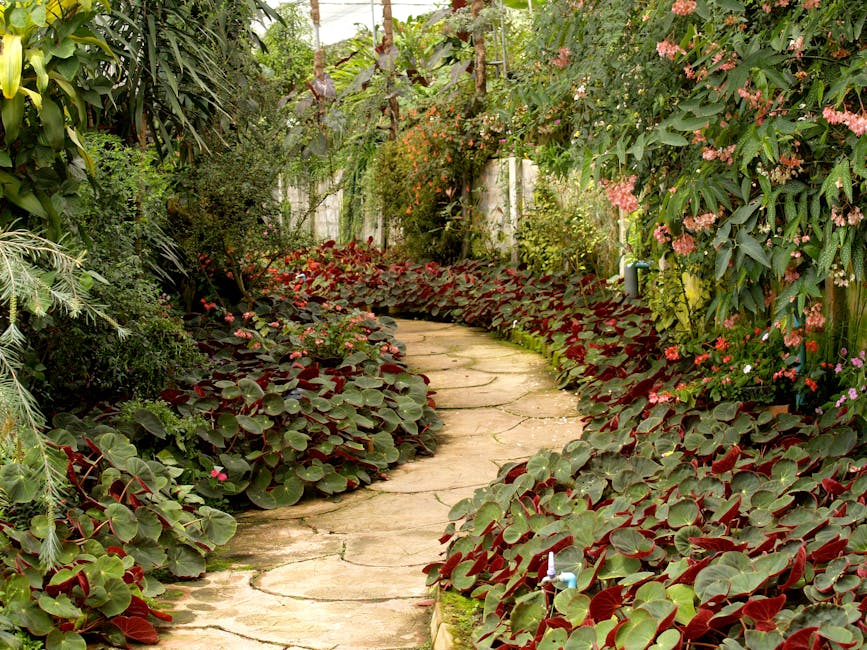
In the lush landscapes of Nigeria, gardening is both a beloved hobby and a vital source of nutrition. Yet, amidst the vibrant greens and flourishing blooms, misconceptions often sprout up faster than weeds. Today, we dive into some of the most pervasive gardening myths and uncover the truths that can help your garden thrive. Whether you're cultivating a small plot in Lagos or farming in the expansive fields of Jos, understanding these myths can make all the difference.
Have you ever hesitated to water your plants at noon, fearing the dreaded 'leaf burn'? Or maybe you've been advised to avoid certain fertilizers to protect your garden. These pieces of advice circulate widely but are they truly based on fact? It's time to dig deep into these claims and cultivate a garden that flourishes on reality, not rumor.
Myth 1: Watering Plants in the Sun Causes Leaf Burn
One of the most common gardening myths is the belief that watering plants during the day, especially under the hot sun, will cause leaf burn. This notion has deterred many gardeners from providing their plants with much-needed hydration during peak sunlight hours.
The Origin of the Myth
This myth likely stems from the idea that water droplets act like tiny magnifying glasses, focusing the sun's rays and burning the leaves. While it's a compelling image, it's not entirely accurate.
The Science Behind Watering
In reality, plants are much more resilient. Research shows that leaf burn is more often caused by a lack of water, not the time at which it is applied. Watering during the heat of the day does not significantly increase the risk of leaf burn. However, it's generally more efficient to water in the morning or evening when evaporation rates are lower.
Key Takeaway: Don't stress about midday watering. Focus on ensuring your plants receive consistent moisture, particularly during dry spells.
Myth 2: Chemical Fertilizers Damage the Soil
Another prevalent idea is that chemical fertilizers are harmful to the soil and should be avoided at all costs. Some gardeners advocate exclusively for organic methods, fearing that chemical options might degrade soil health.
Understanding Fertilizer Composition
Fertilizers, whether chemical or organic, contain essential nutrients like nitrogen, phosphorus, and potassium. These nutrients are crucial for plant growth and soil fertility. The myth arises from misconceptions about the environmental impact of chemical fertilizers.
Impact on Soil Health
While overuse of chemical fertilizers can lead to nutrient runoff and soil degradation, responsible application is key. Balanced fertilization strategies, combining both organic and chemical fertilizers, can enhance soil quality and plant health.
Expert Tip: Conduct a soil test before applying fertilizers. This helps tailor your fertilization plans to your garden's specific needs.
Myth 3: The More Fertilizer, the Better the Growth
In the quest for bountiful harvests, some gardeners believe that applying more fertilizer will lead to more significant plant growth. This myth can lead to over-fertilization, adversely affecting your garden.
Consequences of Over-Fertilization
Excessive fertilizer can harm plants by causing nutrient imbalances and salt buildups in the soil. Such conditions can stunt growth and even kill plants.
Best Practices for Fertilization
Understanding your plants' nutritional needs is crucial. Most plants require different nutrients at various growth stages. Tailor your fertilization approach accordingly, and remember that more isn't always better.
Key Takeaway: Less is often more when it comes to fertilization. Follow guidelines specific to your plant species.
Myth 4: All Soils are the Same
This myth assumes that all soil types support plant growth equally. In Nigeria, with its diverse climates and regions, this couldn't be further from the truth.
Regional Soil Variability
Nigeria's soil types range from the sandy soils in the North to the rich clay soils in the South. Understanding your local soil type is vital for successful gardening.
Improving Soil Quality
Soil amendments like compost, manure, and specific fertilizers can enhance soil structure and fertility. Tailored soil management ensures plants get the nutrients they need to thrive.
Expert Tip: Conducting a simple soil test can provide insights into your soil's pH and nutrient levels, guiding effective gardening practices.
Conclusion
Gardening is a rewarding journey that combines art and science. By debunking these common myths, you can approach your garden with a well-informed perspective, leading to healthier plants and more fruitful harvests. Remember, every garden is unique, much like the diverse landscapes of Nigeria. Embrace the facts, experiment with different techniques, and enjoy the fruits of your labor.