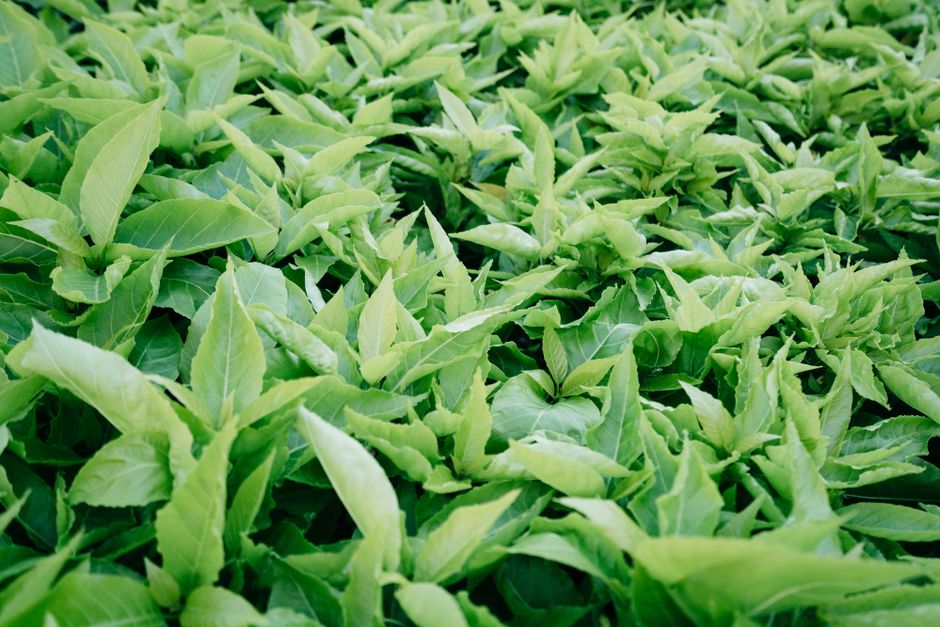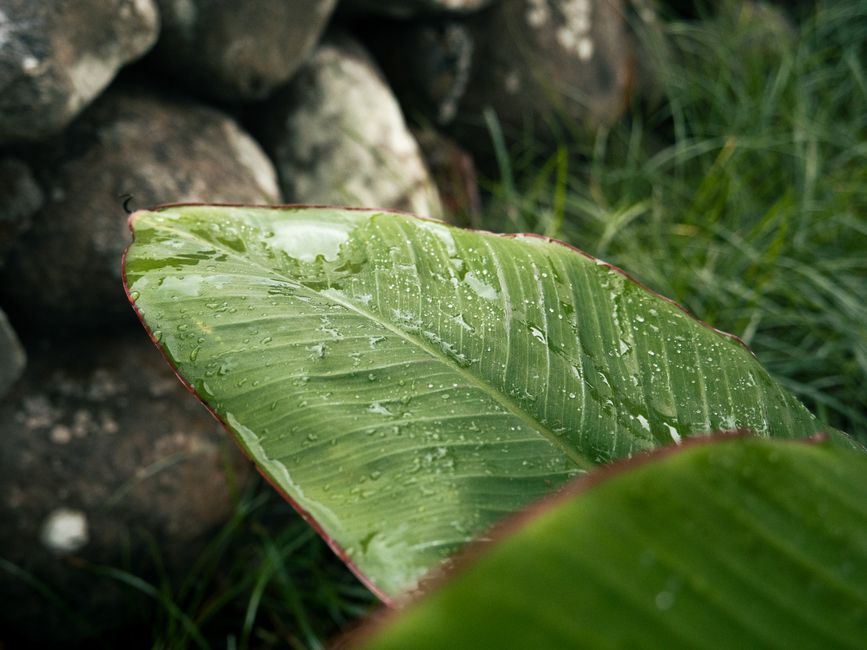
Imagine stepping into your backyard and feeling as though you've been transported to a tropical paradise. The lush greenery, vibrant flowers, and the gentle rustling of leaves create a serene oasis. For many Nigerian gardeners, creating such a paradise right at home is a dream. But with the right guidance, you can transform your outdoor space into a stunning tropical garden. In this article, we'll explore the essentials of designing a vibrant tropical garden in Nigeria.
Tropical gardens are known for their lush, dense foliage and exotic plants that thrive in warm, humid climates. Nigeria, with its diverse climate zones, offers a perfect environment for cultivating such gardens. Whether you live in the coastal areas of Lagos or the highlands of Jos, there's a tropical garden waiting to be planted. Let's dive into the major components of creating a tropical garden that will make your home stand out.
Choosing the Right Tropical Plants
The first step in designing a tropical garden is selecting the right plants. Tropical plants are known for their large leaves, bold colors, and dramatic shapes. They can transform any garden into an exotic paradise.
Understanding Your Climate Zone
Nigeria's climate varies greatly from region to region. Understanding your local climate is crucial in selecting the right tropical plants. Coastal regions with high humidity can support a wider variety of tropical plants compared to drier inland areas.
When selecting plants, consider the specific conditions of your garden, such as sun exposure, soil type, and average rainfall. Some popular tropical plants that thrive in Nigerian climates include:
- Bird of Paradise (Strelitzia reginae): Known for its striking flowers that resemble birds in flight.
- Banana Plants (Musa species): These iconic tropical plants add a lush, exotic feel.
- Hibiscus (Hibiscus rosa-sinensis): Offers vibrant blooms and is a versatile choice for any garden.
- Philodendrons: Ideal for adding lush greenery and filling in garden gaps.
Native vs. Exotic Choices
While exotic plants can enhance the diversity of your tropical garden, incorporating native plants is essential for sustainability. Native plants are adapted to local conditions and require less maintenance, reducing the need for extra resources such as water and fertilizers. Consider integrating plants like the Oil Palm (Elaeis guineensis) and Yam (Dioscorea species) for both aesthetic value and local relevance.
Design Elements for a Tropical Garden
A well-designed tropical garden is not just about the plants. It's about creating an environment that feels immersive and harmonious. Here are some design elements to consider:
Layering and Structure
Tropical gardens thrive on diversity, and layering is key to achieving this. By combining different heights and types of plants, you can create a multi-dimensional space that feels lush and inviting.
"A successful tropical garden is like a jungle – it's dense, layered, and full of surprises."
Consider incorporating tall trees like coconut palms for height, while mid-level shrubs and groundcovers fill in the lower layers. This approach not only adds visual interest but also creates microclimates that benefit the garden as a whole.
Water Features
Water features such as ponds, fountains, or small waterfalls can elevate the tropical feel of your garden. The sound of running water adds a sense of tranquility and can help mask any unwanted noise from the surroundings.
When integrating water features, consider their placement carefully to ensure they enhance the garden without overwhelming it. A small pond surrounded by lush foliage can become a focal point that draws the eye and invites exploration.
Maintaining a Tropical Garden
While tropical gardens have a reputation for being lush and unruly, they do require regular maintenance to keep them looking their best. Here are some tips to ensure your tropical paradise thrives:
Soil and Fertilization
Tropical plants often need rich, well-draining soil to flourish. It's important to amend your soil with organic matter such as compost or well-rotted manure to improve its fertility and structure.
Regular fertilization is also essential. Use a balanced, slow-release fertilizer to provide your plants with the nutrients they need throughout the growing season.
Pruning and Pest Control
Pruning helps to shape plants, control their size, and remove any dead or diseased growth. Regular pruning encourages new growth and helps maintain a tidy appearance.
Pest control is another important aspect of garden maintenance. Inspect your plants regularly for signs of pests or disease and take action promptly to prevent infestations from spreading.
Creating a Sustainable Tropical Garden
Sustainability should be a key consideration in any garden design. By implementing sustainable practices, you can create a garden that's not only beautiful but also environmentally friendly.
Water Conservation
Minimize water usage by collecting rainwater for irrigation. Installing a drip irrigation system can also help deliver water directly to the plant roots, reducing waste.
Companion Planting
Companion planting involves growing certain plants together to benefit each other. This method can reduce the need for chemical fertilizers and pesticides while promoting plant health.
For example, planting marigolds alongside other tropical plants can help deter pests due to their natural repellent properties.
Conclusion
Designing a tropical garden in Nigeria is an exciting and rewarding endeavor. By selecting the right plants, incorporating thoughtful design elements, and practicing sustainable gardening techniques, you can create a stunning outdoor space that brings the lush beauty of the tropics to your doorstep. Whether you're a seasoned gardener or a beginner, these tips will help you cultivate a tropical paradise that you can enjoy for years to come.