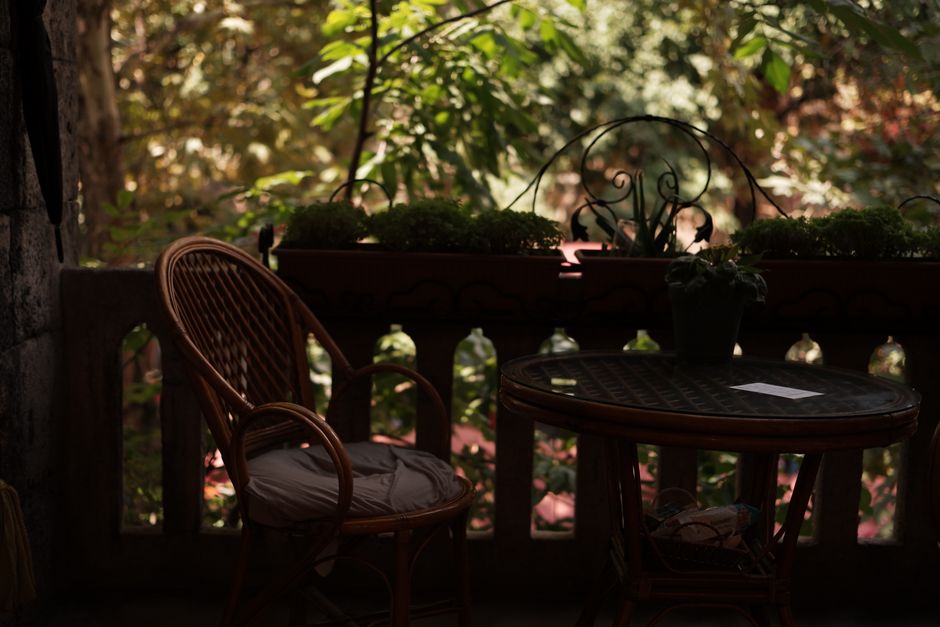
In Nigeria, where space can be a luxury, growing your own vegetables might seem like a distant dream. But worry no more! With container gardening, you can transform even the smallest balcony or patio into a lush, productive haven. Imagine stepping out into your backyard to pick fresh tomatoes or peppers for your stew. Not only is it convenient, but container gardening is also a flexible and rewarding way to engage with nature, right from your home.
One of the biggest advantages of container gardening is its adaptability. Whether you're in the heart of Lagos or the outskirts of Abuja, containers can accommodate a variety of vegetables, allowing you to tailor your urban garden to your taste. Plus, containers make it easy to control soil quality and drainage, crucial factors that impact plant health. This guide will walk you through the essentials of starting your own container vegetable garden in Nigeria, from selecting the right containers to choosing the best vegetables for your climate.
Choosing the Right Containers
Understanding Container Materials
The first step in container gardening is selecting the right pots for your plants. Containers come in various materials, each with its own benefits. For example, plastic pots are lightweight and retain moisture well, which can be a boon during the dry season, while clay pots offer a more traditional aesthetic and excellent breathability.
- Plastic Containers: Lightweight, affordable, and retain moisture efficiently. Perfect for small spaces and balconies.
- Clay Pots: Porous and aesthetically pleasing. Ideal for herbs and small vegetables, but may require more frequent watering.
- Wooden Planters: Provide excellent insulation for plant roots and can be customized in size. Ensure they are treated to prevent rot.
No matter the material, ensure your containers have adequate drainage holes to prevent waterlogging, which can lead to root rot.
Size Matters
The size of your container will dictate what you can grow. Small pots are great for herbs and lettuces, while larger containers are necessary for more demanding vegetables like tomatoes or peppers. As a rule of thumb, the larger the plant, the bigger the container. Keep in mind that larger containers hold more soil, which retains moisture better and reduces the need for frequent watering.
Selecting Vegetables for Your Container Garden
Top Vegetables to Grow in Containers
When choosing vegetables for your container garden, consider those that are compact and have a high yield. Here are some great options well-suited to Nigerian climates:
- Tomatoes: A staple in Nigerian cuisine, they thrive in warm climates and come in various container-friendly varieties.
- Peppers: Whether sweet or hot, peppers are compact and produce bountifully in containers.
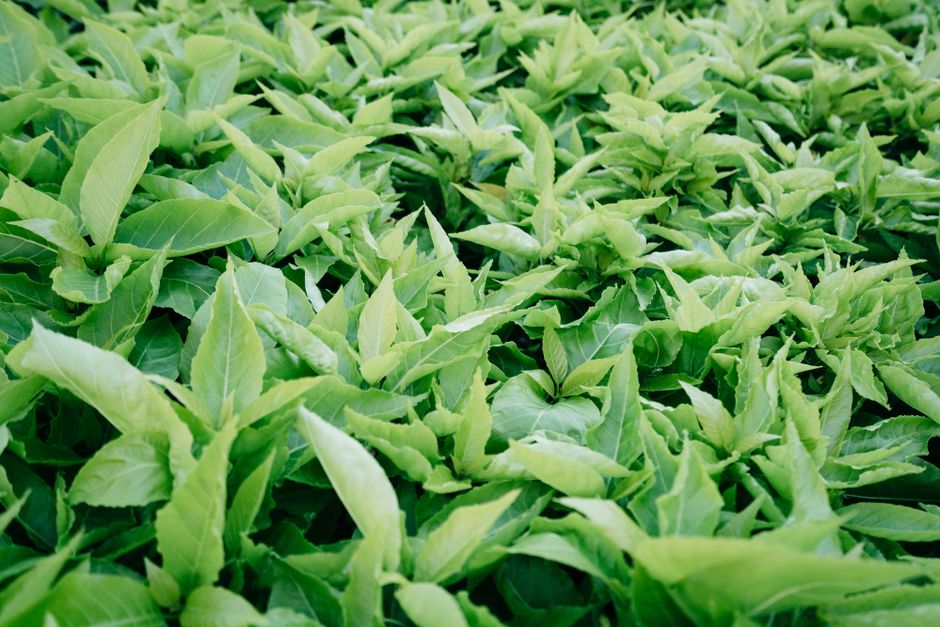
- Spinach: Easy to grow and harvest, spinach can be continually harvested, providing a steady supply of greens.
- Carrots: Opt for short root varieties that fit well in containers, offering a crunchy, nutritious addition to your meals.
Remember to select varieties that are disease-resistant and suited to your local growing conditions for the best results.
Understanding Seasonal Planting
Success in container gardening also depends on planting according to seasons. In Nigeria, the climate is predominantly tropical, with variations across regions. Understanding your local climate will help you plan your planting and harvesting schedules effectively.
Preparing Your Soil Mix
The Importance of Good Soil
Unlike traditional gardening, container gardening requires a specific type of soil known as potting mix. This mix is designed to be lightweight and well-draining, essential qualities for healthy container plants. A good potting mix will typically include a combination of peat, vermiculite, and compost.
“The quality of your soil mix is crucial. A well-draining, nutrient-rich mix supports strong root systems and healthy plant growth.”
Customizing Your Soil Mix
While commercial potting mixes are available, customizing your own can be more economical and effective. Consider adding slow-release fertilizers to provide a steady supply of nutrients or incorporating organic matter to enhance soil health.
- Basic Potting Mix Recipe: 2 parts peat moss, 1 part vermiculite, 1 part compost. Adjust proportions based on plant needs.
- Organic Matter: Incorporate well-decomposed organic matter like cow dung to improve soil fertility and structure.
Watering and Maintenance
Watering Techniques
One common challenge with container gardening is ensuring plants receive enough water, especially during Nigeria's dry season. The key is to water consistently and deeply, allowing water to reach the root zone.
- Early Morning Watering: Watering in the morning reduces evaporation and helps plants withstand the day's heat.
- Avoid Overwatering: Ensure water drains freely from the container. Soggy soil can suffocate roots and lead to disease.
Consider using self-watering pots or drip irrigation systems to automate hydration and ensure consistent moisture levels.
Regular Maintenance Tasks
In addition to watering, regular maintenance is crucial for a thriving container garden. This includes tasks like removing dead leaves, checking for pests, and rotating plants to ensure even sunlight exposure.
By being attentive to your plants' needs, you can enjoy a bountiful harvest right from your doorstep.
Final Thoughts
Container gardening offers a fantastic opportunity to cultivate fresh vegetables in small spaces, a concept particularly appealing in Nigeria's urban centers. By selecting appropriate containers, choosing the right vegetables, and adapting to local growing conditions, you can enjoy a thriving garden year-round. Whether you're growing juicy tomatoes for jollof rice or crunchy carrots for a fresh salad, container gardening puts the power of edible cultivation in your hands, regardless of space constraints.