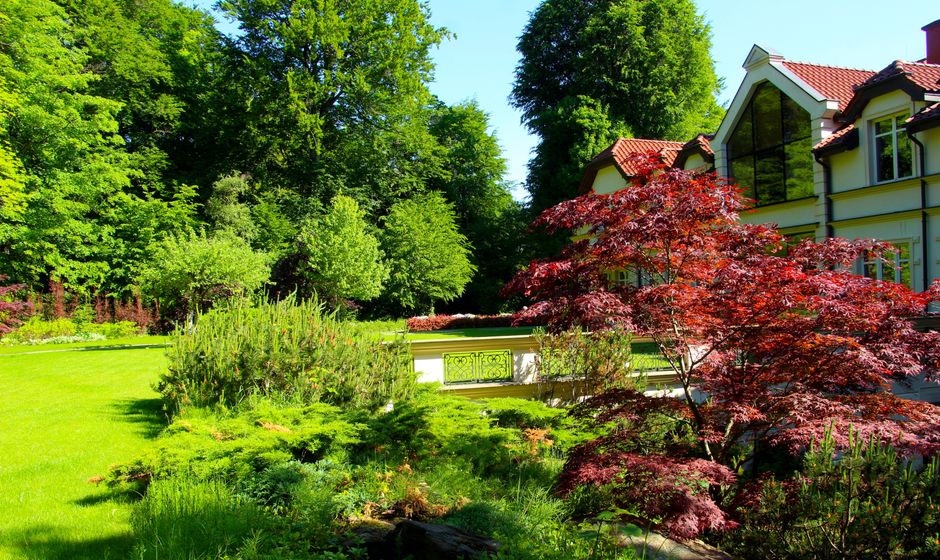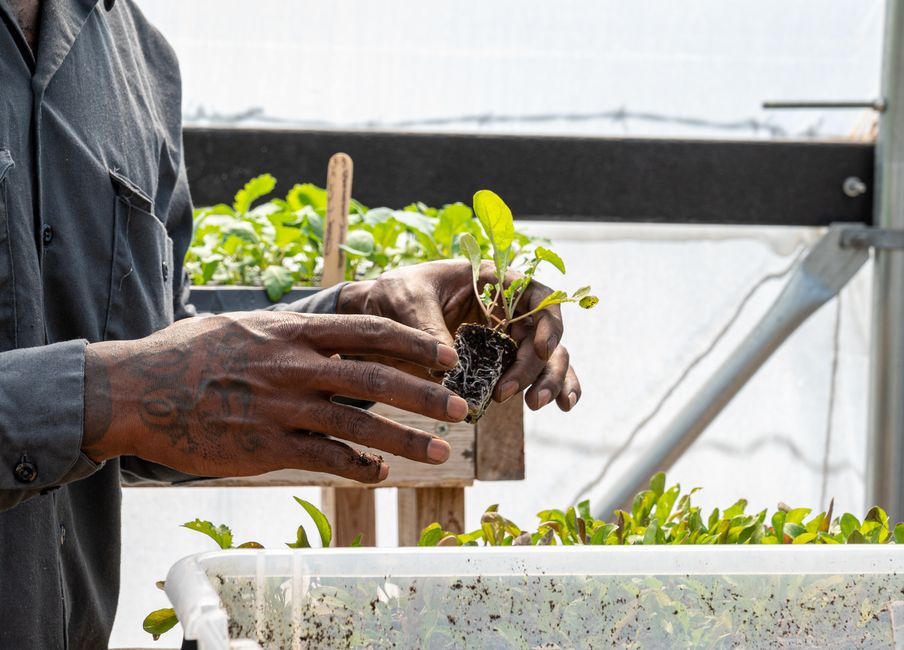
Gardening can be a deeply rewarding endeavor, especially when you witness the fruits (and vegetables) of your labor flourishing right in your backyard. For those living in Nigeria, the climate and soil conditions present both unique challenges and opportunities for gardening enthusiasts. Whether you're a seasoned gardener or just starting, understanding these local nuances can mean the difference between a thriving plant paradise and a plot of withering greens. This guide is crafted to provide you with essential tips and insights to cultivate a flourishing garden that suits the Nigerian environment.
One of the most crucial aspects of gardening is choosing the right plants. The Nigerian climate ranges from tropical in the south to arid in the north, which means that selecting plants that are adapted to your specific region is key. From vegetables to ornamental plants, knowing what thrives in your local climate will set the foundation for a successful garden.
Understanding Nigeria's Climate Zones
The Tropical Rainforest Climate
This zone experiences heavy rainfall and consistent humidity. It’s ideal for plants that thrive in moist conditions. Popular choices include yams, cassava, and leafy greens like spinach.
The Savanna Climate
Characterized by a wet and dry season, this zone is suitable for drought-resistant plants. Consider growing maize, millet, and sunflowers.
The Arid and Semi-Arid Climate
With limited rainfall, this climate demands plants that can withstand dry conditions. Opt for hardy plants such as cacti and succulents, or crops like sorghum and cowpeas.
Choosing the Right Soil and Fertilizers
Soil Types Across Nigeria
Soil conditions vary across Nigeria, with loamy, clay, and sandy soils found in different regions. Conducting a soil test will help you determine the best amendments needed for your garden.
Organic and Inorganic Fertilizers
Choosing between organic and inorganic fertilizers can impact plant growth. Organic fertilizers, like compost and manure, enrich the soil naturally, while inorganic options provide quick nutrient boosts.
Planting Techniques and Timing
Understanding Planting Seasons
Knowing the right time to plant is essential for success. In Nigeria, the rainy season is usually the best time for planting, as water availability is crucial for young plants.
Companion Planting
This technique involves growing certain plants together to enhance growth. For example, planting beans with corn can boost nitrogen levels in the soil, benefiting both crops.
- Enhances soil nutrients
- Improves plant health
- Reduces pests
Pest and Disease Management
Common Garden Pests
Aphids, caterpillars, and snails are some of the common pests in Nigerian gardens. Regular monitoring and organic pest control methods can keep them at bay.
Preventing Plant Diseases
Diseases like root rot and blight can devastate gardens. Ensuring proper drainage and using disease-resistant varieties are effective preventive measures.
Watering and Irrigation Techniques
Efficient Water Use
Given the varying rainfall patterns, efficient water use is vital. Drip irrigation systems can conserve water while ensuring plants receive adequate moisture.
Rainwater Harvesting
Collecting and storing rainwater is an excellent way to provide a sustainable water source for your garden during dry periods.
"Gardening is not just about plants; it’s about understanding the ecosystem and working in harmony with it."
Conclusion
Creating a thriving garden in Nigeria involves understanding local climates, selecting suitable plants, and adopting effective gardening practices. By following these guidelines, you're well on your way to cultivating a lush and fruitful garden that not only enhances your home but also contributes to the environment. Happy gardening!