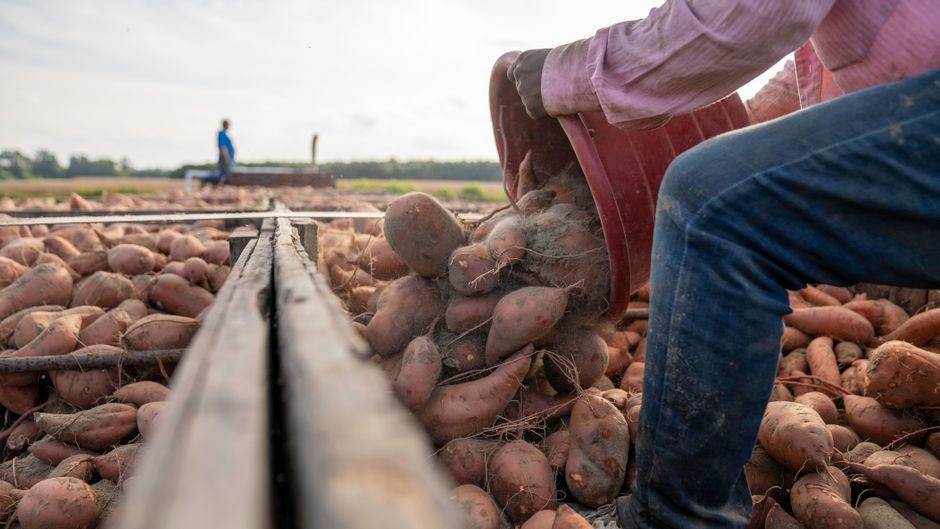
Sweet potatoes are a beloved staple in Nigerian cuisine, offering a delicious and nutritious addition to your diet. Growing them in your own garden can be incredibly rewarding, providing fresh produce right at your doorstep. In this comprehensive guide, we'll walk through every step needed to cultivate sweet potatoes successfully in Nigeria. Whether you're a seasoned gardener or a beginner, these tips will help you achieve a bountiful harvest.
Selecting the Right Variety
Choosing the right variety of sweet potatoes is the first step towards a successful harvest. In Nigeria, some popular varieties include Ejumula, TIS 87/0087, and TIS 8164. Each has unique characteristics, from taste to growth habits. Consider your local climate and soil conditions when selecting a variety.
Understand Your Climate
Nigeria's climate varies widely, from humid coastal areas to drier northern regions. Sweet potatoes thrive in warm, well-drained environments. They require a long growing season, typically 90 to 120 days of frost-free weather. Determine your region's climatic suitability before planting.
Soil Preparation
Sweet potatoes prefer sandy loam soil rich in organic matter. Begin by clearing any weeds or grass from the plot where you intend to plant. Till the soil to a depth of 8 to 12 inches and incorporate well-rotted compost or manure to enhance fertility.
Planting Sweet Potatoes
Choosing the Right Time
Timing is crucial for planting sweet potatoes. Ideally, plant them during the beginning of the rainy season, around April or May. This ensures the vines have ample moisture and a long growing season ahead.
Preparing the Slips
Sweet potatoes are grown from slips, which are shoots that arise from a mature sweet potato. To create slips, place a healthy sweet potato in a jar of water with half submerged. In about two weeks, shoots will sprout. Once they reach 6 inches, gently remove them for planting.
Planting Process
- Create mounds of soil approximately 12 inches high and 3 feet apart.
- Space slips 12 inches apart on each mound.
- Plant slips 3 inches deep, ensuring at least two leaves are above the soil surface.
Maintaining Your Sweet Potato Crop
Watering and Fertilization
Regular watering is essential, especially during the initial growth phase. However, avoid waterlogging, which can cause rot. Fertilize once a month with a balanced NPK fertilizer to promote healthy growth.
Pest and Disease Management
Common pests include sweet potato weevils and aphids. Use organic pesticides or neem oil to manage these. Crop rotation and maintaining garden hygiene can prevent disease outbreaks.
Harvesting and Storage
When to Harvest
Sweet potatoes are typically ready for harvest 3 to 4 months after planting. Look for signs such as yellowing leaves and mature vines. Carefully dig up the tubers to avoid damaging them.
Storage Tips
After harvesting, cure sweet potatoes by storing them in a warm, humid environment for about 10 days. This process helps to enhance their flavor and shelf life. Store cured sweet potatoes in a cool, dry place.
"Growing sweet potatoes is not only rewarding but also contributes significantly to sustainable food practices in Nigeria."
Conclusion
Growing sweet potatoes in your garden can be a fulfilling venture, offering a sustainable and nutritious food source. By following these steps, you can enjoy a successful harvest and contribute to the growth of home gardening in Nigeria. Happy planting!