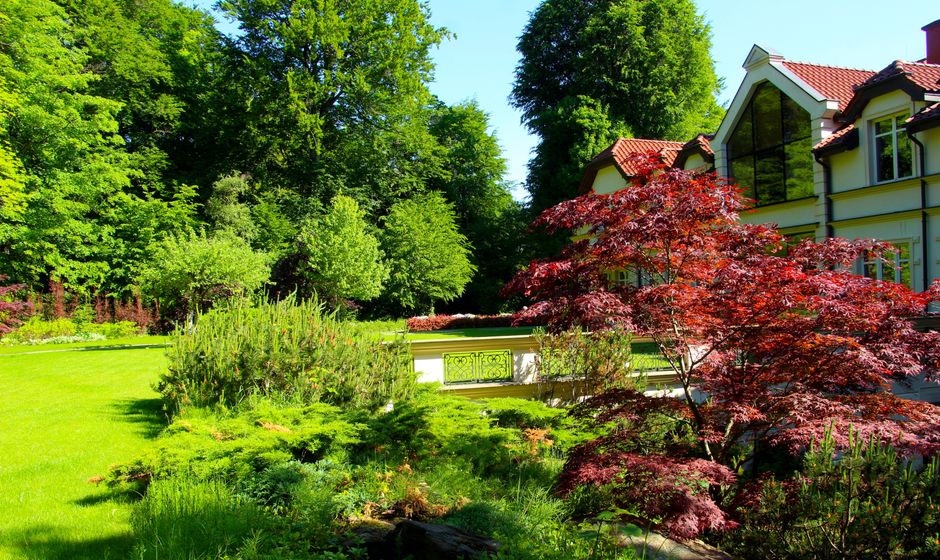
When my cousin Tolu told me she was turning her barren backyard in Surulere into a vegetable garden, I was skeptical. This was a space that had been used primarily for drying clothes and occasionally for weekend barbecues when the extended family visited. But Tolu was determined. Over the course of six months, she transformed that dusty patch of land into a lush, vibrant, vegetable oasis that has become the envy of the neighborhood.
Her journey was not without its challenges, but her story is a testament to what can be achieved with determination and a bit of creativity. It's a tale that resonates with many urban dwellers in Nigeria who are looking to make the most of limited space while embracing sustainable living.
The Initial Planning Stages
Assessing the Space
Tolu's first step was to thoroughly assess her backyard. With a measuring tape in hand, she noted the dimensions and observed the sun's path throughout the day. She realized the space received sunlight for about six hours, which would be sufficient for most vegetables.
- Tip: It's crucial to understand your space's microclimate. Observe how sunlight and shade shift during the day.
- Local Resources: She consulted with local gardeners and visited a nearby market to understand what vegetables grew best under these conditions.
Choosing the Right Vegetables
Based on her research, Tolu decided on tomatoes, peppers, and leafy greens like ugu and ewedu, which are staples in Nigerian cuisine. She also included herbs such as basil and mint for flavor and variety.
Her reasoning was simple: select vegetables that her family frequently consumed, ensuring that her efforts would directly benefit their daily meals.
"Starting with familiar vegetables not only ensures a successful harvest but also reduces waste," Tolu noted.
Preparing the Soil
Testing and Enriching the Soil
Realizing the importance of soil health, Tolu took samples to a local agricultural extension office for testing. The results showed that the soil was low in nitrogen and potassium, crucial nutrients for plant growth.
- Amendments: Tolu added compost and manure, both sourced locally, to enrich the soil.
- Composting: She began her compost pile using kitchen scraps and garden waste, which not only improved soil fertility but also reduced household waste.
Building Raised Beds
Given the rocky nature of her backyard soil, Tolu opted for raised beds. She used locally available wood to construct the beds, ensuring they were deep enough to accommodate root growth.
"Raised beds help with drainage and make it easier to manage weeds," Tolu explained.
Implementing a Watering System
Rainwater Collection
Water scarcity is a common issue in urban Nigeria, so Tolu installed a rainwater collection system. She used large barrels to capture runoff from her roof, which became her primary source of irrigation.
This system not only conserved water but also reduced her reliance on municipal supplies, which are often inconsistent.
- DIY Tip: Simple PVC piping can help channel rainwater into storage barrels.
Drip Irrigation Setup
Understanding the need for efficient watering, Tolu set up a drip irrigation system using inexpensive hoses and connectors. This ensured her plants received consistent moisture without over-watering.
"Drip irrigation minimizes water wastage and ensures plants get what they need directly at the roots," she shared.
Dealing with Pests and Diseases
Organic Pest Control
Concerned about the use of chemicals, Tolu researched organic pest control methods. She used neem oil and a garlic-pepper spray to ward off common pests like aphids and caterpillars.
- Companion Planting: Planting marigolds around her beds helped deter insects naturally.
Monitoring and Maintenance
Regular monitoring was key. Tolu made a habit of inspecting her plants daily, looking for early signs of disease or pest infestations.
"Prevention is always better than cure when it comes to garden pests," Tolu advised.
Harvesting and Enjoying the Bounty
Reaping the Rewards
In just a few months, Tolu's garden was thriving. She began harvesting fresh vegetables that not only provided her family with nutritious meals but also reduced their grocery bills.
She even started sharing excess produce with neighbors, fostering a sense of community and encouraging others to start their gardens.
- Community Impact: Tolu's success inspired a few neighbors to transform their backyards too.
Preserving the Harvest
Not all vegetables could be consumed immediately, so Tolu learned to preserve her bounty through drying and canning, extending their availability and reducing waste.
"Preserving allows you to enjoy the fruits of your labor long after the growing season," she said.
Conclusion
Tolu's experience is a powerful reminder that you don't need vast acres to grow your food. With a bit of ingenuity and effort, even a small backyard can become a productive garden. Her journey from a dusty backyard to a flourishing garden is inspiring and shows that with the right mindset and tools, anyone can cultivate their green space.
Her backyard transformation is not just about growing vegetables. It's about growing community, resilience, and a more sustainable lifestyle.