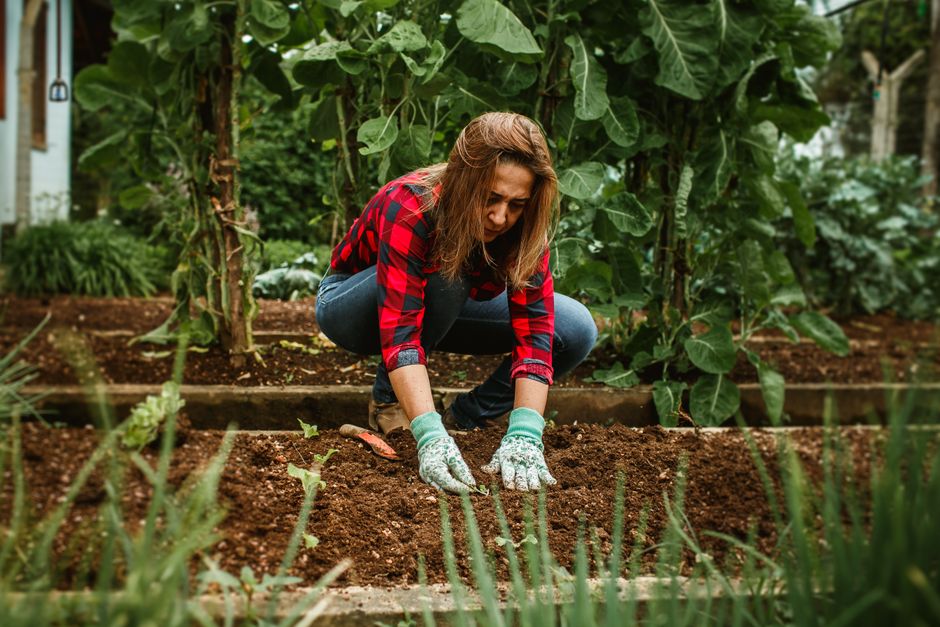
It all began with a small patch of arid land in my backyard in Lagos. I had this vision of lush, juicy tomatoes hanging from verdant vines, the envy of every neighbor. But reality had other plans. My first attempt at growing tomatoes was nothing short of a disaster. But this failure turned into an invaluable lesson, one that transformed my garden into an oasis.
My journey started with high hopes and a little too much enthusiasm. I naively assumed that all I needed was soil, seeds, water, and perhaps a bit of sunshine. So, off to the local market I went, purchasing a pack of seeds, a bag of soil, and a small watering can. I set the seeds into the soil, watered them diligently, and waited. But weeks went by with no sign of growth. My dreams of a thriving tomato patch seemed dashed.
Despite the initial setback, I wasn't ready to give up. Determined to understand where I went wrong, I embarked on a quest for knowledge. I dived deep into gardening books, YouTube tutorials, and yes, even sought advice from experienced local gardeners.
The Rookie Mistakes
Poor Soil Choice
One of my biggest mistakes was using the wrong type of soil. I learned that tomatoes require nutrient-rich, well-draining soil to truly thrive. The basic garden soil I used lacked the essential nutrients needed for tomato plants to grow robustly.
After realizing this, I decided to switch to a more suitable option. I purchased a bag of organic compost from the Lagos Gardening Center. The difference was like night and day. The soil was rich and crumbly, perfect for retaining moisture while preventing waterlogging.
Incorrect Watering Techniques
Another issue was my haphazard watering schedule. Initially, I watered the plants sporadically, leading to periods of dryness followed by overwatering. Tomatoes, I discovered, require consistent moisture but hate having soggy feet.
I installed a simple drip irrigation system using a plastic bottle, ensuring a slow, steady supply of moisture. This simple change made a world of difference, providing the plants with the right amount of hydration they needed to flourish.
Learning From Local Experts
Visiting the Community Garden
In my quest for tomato-growing mastery, I turned to a community garden led by Mrs. Ige, a local gardening guru. Her advice was practical and grounded in years of experience.
"Tomatoes are like children, they thrive with the right balance of love and discipline," Mrs. Ige told me with a knowing smile.
She taught me about the importance of regular pruning to ensure proper air circulation and reduce the risk of fungal diseases. Her tips were golden nuggets that I eagerly incorporated into my garden routine.
Embracing Organic Methods
Mrs. Ige also introduced me to organic pest control methods. Instead of chemical pesticides, I learned to use neem oil and garlic spray to ward off pests naturally. This not only protected my plants but also kept the garden environment-friendly.
The Transformation
Observing the Changes
Armed with new knowledge, I revisited my tomato patch. I could see the transformation begin. The once dull soil now seemed alive, and tiny green shoots started appearing. It was a small victory, but it fueled my determination.
Harvesting the Results
Months later, my garden was unrecognizable. Lush tomato vines climbed the trellis, and vibrant red tomatoes hung like jewels. The taste was unparalleled—sweet with a hint of acidity. Sharing fresh tomatoes from my garden became a regular neighborhood event.
The Art of Patience and Persistence
Embracing Patience
This experience taught me the art of patience. Gardening is not a sprint; it's a marathon. Each setback was a stepping stone, each lesson a building block. The patience I cultivated in the garden extended to other areas of my life, teaching me to appreciate the process rather than just the outcome.
Celebrating Success
Today, my garden is more than just a tomato patch. It's a lush oasis filled with a variety of vegetables and herbs. The journey from failure to success has been incredibly rewarding. Each plant tells a story of resilience and adaptability.
Conclusion
Transforming my failed tomato patch into a thriving oasis was a journey full of learning, perseverance, and growth. It taught me the importance of understanding the needs of each plant and the value of seeking advice from experienced gardeners. If you find yourself struggling in your gardening endeavors, remember: every failure is an opportunity to learn and grow, just like the plants you nurture.