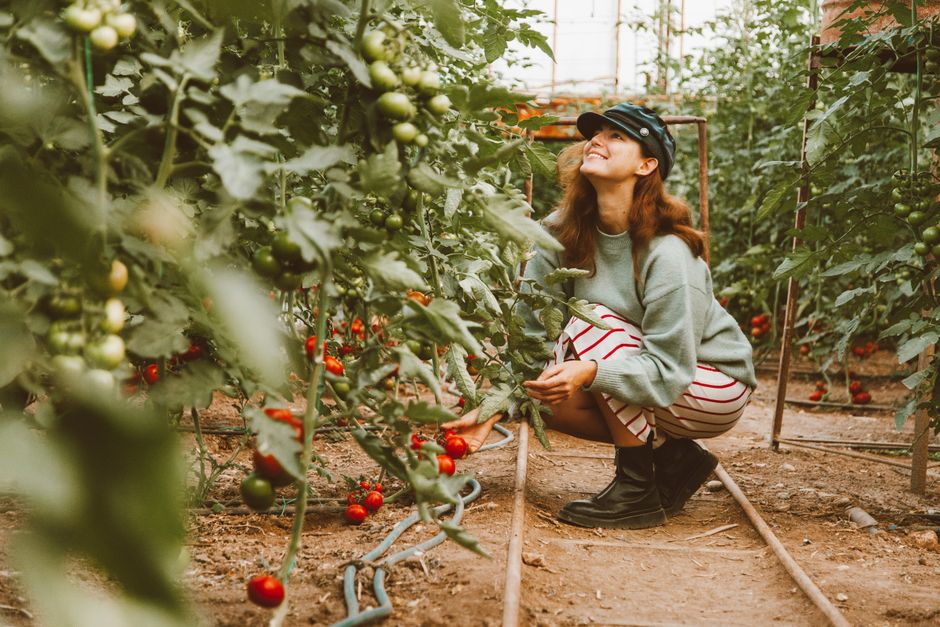
Imagine stepping out into your balcony or small backyard garden and plucking fresh, juicy tomatoes for your next cooking adventure. Growing your own tomatoes is not only satisfying, but also cost-effective, especially if you live in a bustling Nigerian city where space is a luxury. In this guide, we’ll walk you through the step-by-step process of cultivating tomatoes in a small urban garden, ensuring a bountiful harvest regardless of your limited space.
Tomatoes are a staple in many Nigerian dishes, from jollof rice to soups, and having a fresh supply on hand can transform your cooking. However, urban gardening comes with its challenges, especially for those new to it. But don’t worry! With a bit of planning, the right materials, and some dedication, you’ll be on your way to growing tomatoes that are the envy of your neighborhood.
Choosing the Right Tomato Variety
Not all tomatoes are created equal. Selecting the right variety is a crucial first step. Urban gardens often have limited space, so opting for determinate or bush varieties is wise. These types grow to a compact size and are perfect for container gardening.
Recommended Varieties
- Roma Tomatoes: Known for their rich flavor and firm flesh, making them ideal for sauces.
- Cherry Tomatoes: These are smaller, easy to grow, and produce a lot of fruit in a tiny space.
- Patio Princess: Specially bred for container gardens, they are compact and prolific.
"For city dwellers, choosing determinate varieties like Patio Princess can maximize your yield in limited spaces."
Preparing Your Planting Space
Creating a suitable environment for your tomatoes is key to their success. Whether you have a balcony, terrace, or small backyard, the preparation is largely the same.
Containers and Soil
- Containers: Choose containers that are at least 18 inches deep to accommodate the roots.
- Soil Mix: Use high-quality potting mix. A blend that includes peat, vermiculite, and compost is ideal for nutrients and drainage.
Make sure your containers have drainage holes to avoid waterlogging, which can harm the roots.
Planting Your Tomatoes
Once your space is prepared, it's time to get those seeds or seedlings into the ground.
Planting Steps
- Seed Starting: If starting from seeds, sow them indoors 6-8 weeks before the last expected frost. Use small pots or seed trays.
- Transplanting: Once the seedlings have two sets of true leaves, they can be transferred to larger containers outdoors.
- Spacing: Space determinate varieties 18-24 inches apart. This ensures good air circulation and reduces the risk of diseases.
"Maintaining the right spacing between plants is crucial for healthy growth and pest prevention."
Caring for Your Tomato Plants
Tending to your plants properly will ensure they thrive and produce a good harvest.
Watering and Fertilizing
- Watering: Tomatoes need consistent moisture. Water them deeply but infrequently, ensuring the soil remains damp but not waterlogged.
- Fertilizing: Use a balanced fertilizer every 3-4 weeks. Tomato-specific fertilizers are also available and can provide the nutrients needed for optimal growth.
Dealing with Pests and Diseases
- Pests: Watch out for common pests like aphids and caterpillars. Neem oil is an effective natural remedy.
- Diseases: Proper spacing and airflow can prevent fungal issues. If diseases appear, remove affected leaves immediately to stop the spread.
Harvesting Your Tomatoes
The moment you’ve been waiting for! Knowing when and how to harvest is crucial.
Signs of Ripeness
- Color: Most tomatoes are ready to pick when they reach a deep red color, although this varies by variety.
- Texture: They should feel firm but yield slightly to pressure.
Always use a gentle hand when harvesting to avoid damaging the plant.
"Harvest tomatoes regularly to encourage more fruit production and prevent overripe fruits from attracting pests."
Conclusion
Growing tomatoes in a small urban Nigerian garden is not just possible, it’s incredibly rewarding. By following these steps, you can enjoy a continuous supply of fresh tomatoes right from your home. Remember, urban gardening requires patience and a touch of creativity, but the fruits (quite literally) of your labor will be worth it.