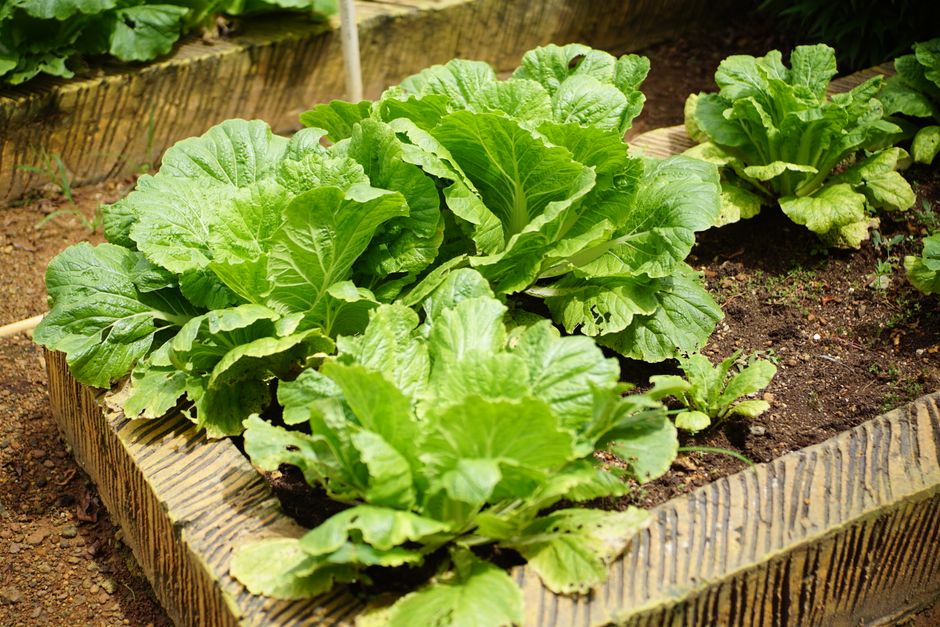
When I started my first raised garden bed in Lagos, I was filled with enthusiasm and visions of abundant kale, tomatoes, and herbs. Fast forward a few months, and while I had some success, I also learned a lot from the mistakes I made. If I could go back, there are several things I'd do differently to optimize my garden's success.
Raised garden beds are a fantastic way to grow plants, especially in urban areas where soil quality can be poor. They allow for better control over the soil conditions and can help prevent issues like poor drainage. However, they come with their own set of challenges, which I discovered firsthand.
In this article, I'll share my retrospective insights from the journey and provide actionable tips on what I'd change, so you can avoid these common pitfalls and enjoy a thriving garden from the get-go.
Choosing the Right Location
Mistakes I Made
Initially, I placed my raised bed in a corner of the yard that received what I thought was ample sunlight. I soon realized that it was getting too much shade for my sun-loving plants. This oversight affected the growth of my tomatoes and peppers, which struggled to produce fruit.
What I'd Do Differently
- Monitor Sunlight: Spend a few days observing your garden space at different times to understand the sun pattern.
- Consider Seasonal Changes: Remember that the sun's path changes with seasons, which can impact sunlight exposure.
- Avoid Obstructions: Ensure no trees, walls, or structures will block the sun as plants grow.
Soil Selection and Preparation
Mistakes I Made
I opted for a premixed soil that promised to be ideal for all plants. What I didn't account for was the soil's drainage capability. It retained too much water, which led to root rot in some of my more delicate plants.
What I'd Do Differently
- Customize Soil Mix: Use a mix of topsoil, compost, and sand to ensure proper drainage and nutrient supply.
- Test Drainage: Conduct a drainage test by watering and observing how long the water takes to seep through.
- Add Organic Matter: Regularly amend soil with compost to improve texture and fertility.
Plant Selection and Arrangement
Mistakes I Made
I planted too many varieties too close together, leading to competition for resources and poor airflow. This overcrowding made my plants susceptible to disease and reduced yields.
What I'd Do Differently
- Understand Plant Needs: Research individual plant spacing and requirements.
- Plan Layout: Use a garden planner tool to visualize spacing and arrangement before planting.
- Companion Planting: Utilize companion planting techniques to boost plant health and productivity.
Watering Techniques
Mistakes I Made
I underestimated how much water my plants needed during the dry season, and overwatered during the rainy season. This inconsistency stressed the plants and affected their growth.
What I'd Do Differently
- Install Drip Irrigation: A drip system ensures consistent watering and reduces water waste.
- Monitor Weather: Adjust watering schedule based on weather forecasts to prevent waterlogging or drought.
- Mulch Application: Use mulch to retain moisture during dry spells and suppress weeds.
Dealing with Pests Naturally
Mistakes I Made
I relied too heavily on chemical pesticides, which not only harmed beneficial insects but also failed to address the root cause of recurring pest issues.
What I'd Do Differently
- Encourage Beneficial Insects: Introduce ladybugs and predatory wasps to naturally control pests.
- Use Neem Oil: Apply neem oil as a natural pesticide that won't harm beneficial insects.
- Practice Crop Rotation: Rotate crops each season to disrupt pest life cycles and improve soil health.
Conclusion
Reflecting on the journey of my first raised garden bed, I've learned valuable lessons that will guide my future gardening endeavors. By choosing the right location, preparing the soil thoughtfully, selecting plants wisely, managing water efficiently, and dealing with pests naturally, you can set up a thriving garden bed in your own space. Remember, gardening is as much about the process as it is about the results. Embrace the learning curve and delight in the growth.