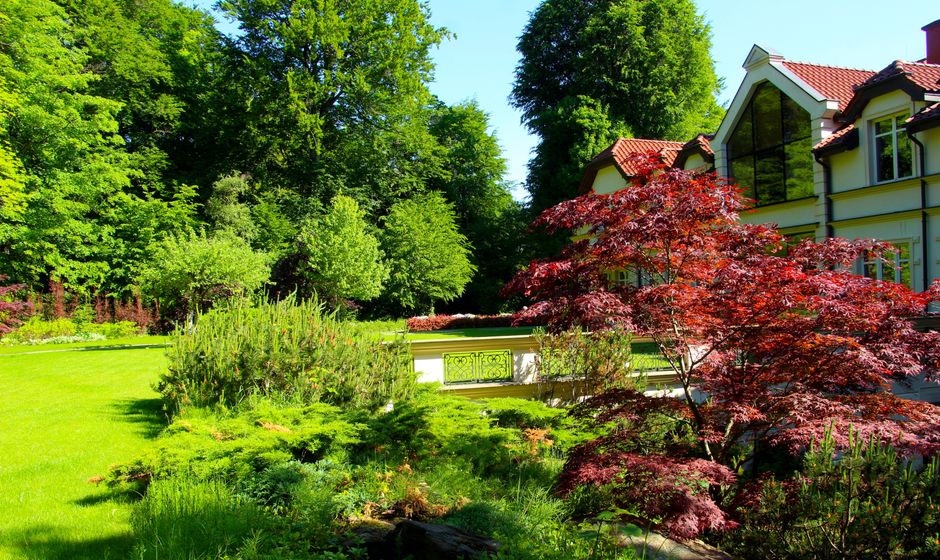
Imagine stepping into your backyard and being enveloped by the vibrant colors of hibiscus flowers, the fragrant scent of basil, and the rustle of palm leaves swaying gently in the breeze. This is the dream garden of many Nigerian homeowners. With the right tips and a bit of effort, transforming that dream into reality is possible. Whether you're a seasoned gardener or a beginner, creating a lush, thriving garden in Nigeria is attainable and incredibly rewarding. The key is to tailor your gardening strategies to Nigeria's unique climate and soil conditions.
The warm, tropical climate in Nigeria presents both opportunities and challenges for gardeners. From the lush green landscapes in the south to the more arid regions in the north, each area requires careful planning and plant selection. With a focus on local plants and sustainable practices, you can cultivate a garden that not only thrives but also requires less maintenance. Welcome to a journey where we explore practical gardening tips, from soil preparation to plant selection, ensuring that your outdoor space becomes a blossoming sanctuary.
Understanding Nigerian Climate and Its Impact on Gardening
Regional Climate Variations
Nigeria's climate can be broadly categorized into three distinct regions: the southern coastal region with high humidity, the central region with a mix of wet and dry seasons, and the northern region that experiences a more arid climate. Each of these regions supports different plant species, so it's crucial to understand your local climate when planning your garden.
- Southern Region: Ideal for tropical plants like hibiscus, bougainvillea, and fruit trees such as mango and citrus.
- Central Region: Supports a mix of tropical and savanna plants, including sunflowers and maize.
- Northern Region: Best for drought-resistant plants like acacia and baobab trees.
Rainfall Patterns and Their Influence
Rainfall in Nigeria varies by region, with the south experiencing heavy rainfalls and the north receiving less frequent showers. This variation affects the type of plants you can grow and how you manage your garden.
"Understanding the local climate is the cornerstone of successful gardening in Nigeria. It influences everything from plant selection to watering schedules." — Local Gardening Expert
In the south, you might deal with waterlogged soils, while in the north, irrigation is essential. Knowing these patterns helps in planning efficient water management strategies.
Soil Preparation: Laying the Foundation
Testing and Understanding Soil Types
Before planting, it's crucial to understand the type of soil in your garden. Most Nigerian soils can be categorized as sandy, loamy, or clayey. Each type has its characteristics and requires different preparation techniques.
- Sandy Soil: Drains quickly but requires frequent watering and organic matter to retain moisture.
- Loamy Soil: Ideal for gardening, retains moisture well, and is rich in nutrients.
- Clayey Soil: Holds nutrients but can become waterlogged; requires proper drainage solutions.
Steps for Effective Soil Preparation
Improving soil quality is key to a successful garden. Consider these steps:
- Testing Soil pH: Use a home testing kit to check acidity or alkalinity, ensuring it's suitable for your chosen plants.
- Adding Organic Matter: Incorporate compost or well-rotted manure to enhance soil fertility and structure.
- Implementing Drainage Solutions: For clayey soils, consider raised beds or adding sand to improve drainage.
Choosing the Right Plants for Your Garden
Local Plants: A Sustainable Choice
Opting for native plants is a sustainable choice that supports local biodiversity and requires less maintenance. Some popular choices include:
- Hibiscus: A vibrant flowering plant well-suited to Nigeria's climate.
- Bougainvillea: Known for its colorful bracts, perfect for sunny spots.
- Mango Trees: Provide shade and delicious fruits during the right season.
Companion Planting: Maximizing Growth
Companion planting involves growing certain plants together to enhance growth, deter pests, and improve yield. Consider these combinations:
- Tomatoes and Basil: Basil repels pests and enhances the flavor of nearby tomatoes.
- Carrots and Onions: Onions deter carrot flies, promoting healthier carrot crops.
- Maize and Beans: Beans fix nitrogen in the soil, benefiting maize growth.
Watering and Maintenance: Keeping Your Garden Thriving
Efficient Watering Techniques
Proper watering is crucial, especially in drier regions. Implement these techniques for optimal results:
- Drip Irrigation: Minimizes water wastage by delivering it directly to the plant roots.
- Mulching: Retains soil moisture and regulates temperature, reducing the need for frequent watering.
Pest and Disease Management
Protecting your garden from pests and diseases is essential for a healthy garden. Consider these natural methods:
- Neem Oil Spray: An effective natural pesticide that repels a variety of insects.
- Companion Planting: As mentioned earlier, some plants repel pests when grown together.
Designing Your Garden Space
Creating Functional Zones
Divide your garden into functional zones to maximize space and utility. Consider areas for relaxing, growing vegetables, and ornamental plants.
Incorporating Garden Accessories
Enhance your garden aesthetic with accessories like benches, bird baths, and garden lighting. These elements add character and create a welcoming atmosphere.
Conclusion
Creating a flourishing garden in Nigeria is a journey that requires understanding local climates, proper soil preparation, and careful plant selection. By adopting sustainable practices and efficient maintenance strategies, you can enjoy a vibrant garden year-round. Whether you're growing vegetables, fruit, or ornamental plants, the key is to work with nature rather than against it. Embrace the beauty of local flora and watch as your garden transforms into a lush haven, providing you with a sanctuary of peace and a bounty of fresh produce.