Container gardening is an art form, a creative pursuit that transforms limited spaces into lush, vibrant gardens. In Nigeria, where urban living often constrains traditional gardening, learning to cultivate plants in containers opens a world of possibilities. Whether you're a seasoned gardener or a curious beginner, container gardening offers an avenue to enhance your home with greenery, even in the most compact areas.
The versatility of container gardening makes it ideal for the Nigerian climate, with its diverse regions ranging from the humid south to the arid north. Containers allow you to control soil conditions and water levels, essential factors in maximizing plant health and yield. With this guide, we'll walk you through everything you need to know to start or refine your container gardening skills.
We'll explore the best plants for container gardens, delve into the specifics of soil and fertilization, and provide care tips to ensure your garden thrives. Whether you're growing vibrant flowers, fresh vegetables, or aromatic herbs, this guide will equip you with the knowledge to succeed. Let’s get our hands dirty and dive into the world of container gardening!
Choosing the Right Containers
Material Considerations
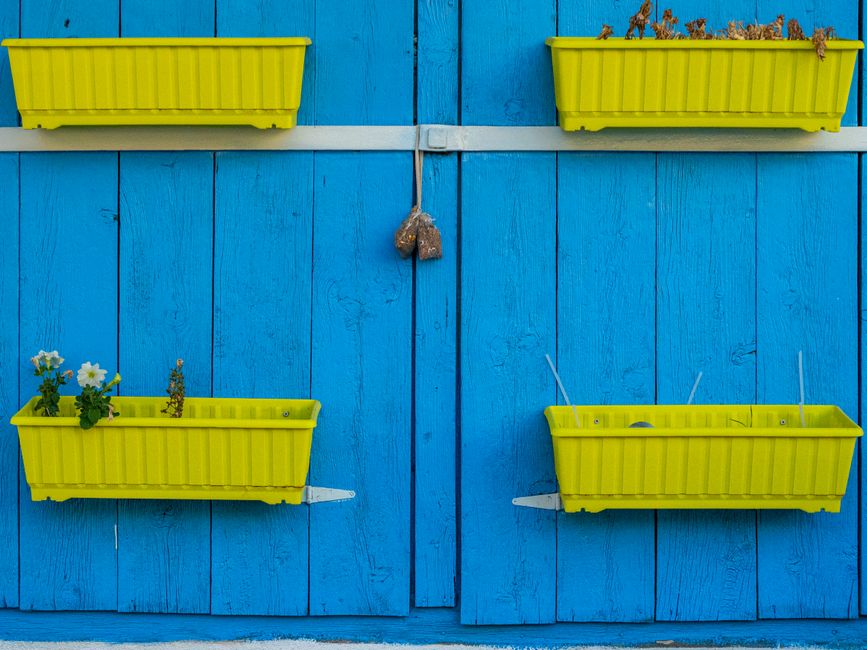
The first step in container gardening is selecting the appropriate container. Containers come in various materials such as plastic, ceramic, metal, and wood. Each has its pros and cons that affect plant health and development.
- Plastic Containers: Lightweight and affordable, these are great for beginners. They retain moisture well, which is beneficial in Nigeria's warmer climates.
- Ceramic Pots: Aesthetic and durable, but they can be heavy. Ensure they have drainage holes to prevent waterlogging.
- Metal Containers: Stylish but can heat up quickly under the sun, which may affect root temperature. Use them in shaded areas or line them with insulating material.
- Wooden Planters: Offer a rustic look and are excellent insulators but may rot over time if not treated properly.
Size Matters
When it comes to container size, bigger is often better but not always necessary. Consider the following:
- Root Space: Ensure the container is large enough to accommodate the plant's root system. Deep-rooted plants need deeper containers.
- Plant Growth: Consider the mature size of the plant. Larger plants will need more space to grow.
- Mobility: If you plan on moving your containers frequently, opt for manageable sizes.
Plant Selection for Nigerian Climates
Flowers and Ornamental Plants
Nigeria's diverse climate supports a variety of flowering plants that thrive in containers. Consider these popular choices:
- Hibiscus: Known for its striking blooms, hibiscus plants thrive in sunny climates and add a tropical flair to your garden.
- Bougainvillea: A resilient plant that requires minimal water once established, perfect for adding vibrant colors.
- Mandevilla: Ideal for vertical gardens, it produces beautiful trumpet-shaped flowers.
Edible Plants
If you're interested in growing your own food, consider these vegetables and herbs:
- Tomatoes: A staple in Nigerian cooking, tomatoes are well-suited for container gardening. Ensure they receive plenty of sunlight.
- Peppers: From bell peppers to spicy varieties, they thrive in warm conditions and add flavor to dishes.
- Basil: Aromatic and versatile, basil grows well in containers and pairs perfectly with many Nigerian dishes.
Soil and Fertilization
Choosing the Right Soil
The success of container gardening largely depends on the quality of the soil. Unlike traditional gardens, container gardens require specially tailored soil mixes that are light and well-draining.
- Potting Mix: Use a commercial potting mix designed for container gardening. These mixes are formulated to retain moisture while providing aeration.
- Homemade Mix: Consider creating your own mix using components like peat moss, perlite, and compost for a balance of moisture retention and drainage.
Fertilization Tips
Plants in containers exhaust nutrients faster than those in the ground. Regular fertilization is critical to maintaining plant health and productivity.
- Slow-Release Fertilizers: These provide a constant supply of nutrients over time, minimizing the need for frequent applications.
- Liquid Fertilizers: Ideal for a quick nutrient boost, apply these during the growing season for optimal results.
An expert tip: Test your soil's pH regularly to ensure it meets the needs of the specific plants you're growing. Most container plants prefer a pH range of 6.0 to 7.5.
Watering and Maintenance
Effective Watering Techniques
Water management is critical in container gardening. Overwatering or underwatering can lead to plant stress or disease.
- Consistent Schedule: Establish a watering routine based on the plant's needs and environmental conditions.
- Drainage Check: Ensure your containers have adequate drainage to prevent waterlogging, which can lead to root rot.
Pest and Disease Control
Container plants can be susceptible to pests and diseases. Regular maintenance is key to keeping your plants healthy.
- Frequent Inspection: Regularly check plants for signs of pests or disease. Early detection is crucial for effective control.
- Natural Remedies: Consider using neem oil or other natural insecticides that are safe for edible plants.
Conclusion
Embarking on a container gardening journey in Nigeria can be both rewarding and fulfilling. With the right containers, plants, soil, and care, you can transform even the smallest space into a flourishing garden. Remember, the key to successful container gardening lies in understanding your plants' specific needs and adapting to their environment. Whether you're growing for beauty, food, or both, the possibilities are endless. Happy gardening!