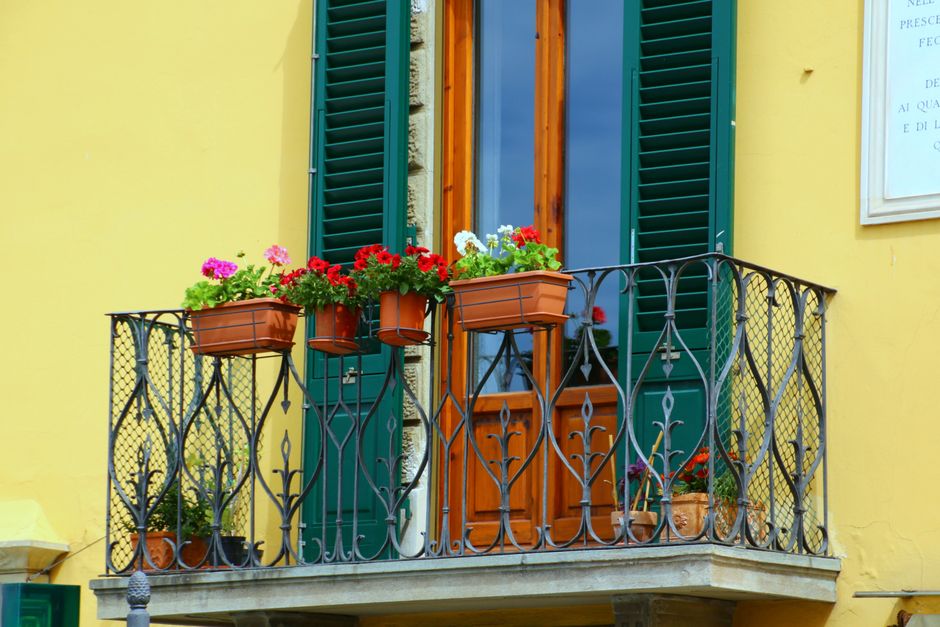
With urban living on the rise and outdoor space shrinking, container gardening has become a practical solution for many Nigerians. Imagine enjoying a lush, flourishing garden right on your balcony or patio, filled with vibrant colors and aromatic scents. Container gardening is not just a trend; it's a versatile gardening technique that can transform even the smallest spaces into a green oasis.
The beauty of container gardening lies in its flexibility and accessibility. Whether you're a seasoned gardener or a complete beginner, growing plants in containers allows you to experiment with different plant varieties, arrangements, and even locations. It's an excellent way to bring nature into your home, no matter where you live.
In this comprehensive guide, we'll walk you through everything you need to know to master container gardening in Nigeria. From choosing the right containers and plants to understanding the unique challenges of Nigeria's climate, you'll find practical tips and insights to create your garden paradise.
Understanding Container Gardening Basics
Choosing the Right Containers
One of the first steps in successful container gardening is selecting the appropriate containers for your plants. Containers come in various shapes, sizes, and materials, each with its advantages and considerations. In Nigeria, where temperatures can soar, choosing the right container material is crucial.
- Clay Pots: These are breathable and allow moisture to evaporate, which is beneficial in humid climates. However, they can dry out quickly in the hot Nigerian sun.
- Plastic Pots: Lightweight and affordable, plastic pots retain moisture longer but may heat up, affecting the roots.
- Wooden Planters: Offer natural insulation and are aesthetically pleasing. Ensure they are treated to prevent rot.
- Metal Containers: Durable and sleek, but they can become quite hot under direct sunlight.
Soil and Drainage Considerations
The soil you use in container gardening plays a pivotal role in plant health. Opt for well-draining potting soil mixed with organic matter to retain nutrients. In Nigeria, where rain can be unpredictable, ensuring proper drainage is essential to prevent root rot.
“Good drainage is the cornerstone of healthy container plants. Always ensure your pots have sufficient drainage holes.”
Choosing the Right Plants for Your Containers
Edible Plants for Nigerian Gardens
Growing your food is both rewarding and sustainable. Consider planting herbs like basil, mint, and cilantro, which thrive in containers and are staple ingredients in Nigerian cuisine. Vegetables like peppers, tomatoes, and okra are also excellent choices.
- Basil: Requires full sun and well-drained soil. Perfect for adding flavor to dishes.
- Mint: Grows abundantly in partial shade and is perfect for refreshing drinks.
- Tomatoes: Need support and plenty of sunlight, ideal for sunny balconies.
Ornamentals for a Vibrant Display
If your goal is to create a visually appealing space, consider ornamental plants like bougainvillea, marigolds, and succulents. These plants bring color and texture to your garden and are relatively easy to maintain.
“Mixing edible and ornamental plants can create a functional and beautiful container garden.”
Designing Your Container Garden
Arrangement Techniques for Aesthetic Appeal
The arrangement of your containers can significantly affect the overall look of your garden. Consider grouping plants with similar needs and varying heights for a layered effect. Using a mixture of tall, medium, and trailing plants adds depth and interest.
- Thrillers: Tall plants like ornamental grasses that catch the eye.
- Fillers: Medium-sized plants like begonias to add fullness.
- Spillers: Trailing plants like ivy to soften the edges of containers.
Color Schemes and Themes
Choosing a color scheme or theme can unify your container garden, making it more cohesive and pleasing to the eye. Whether you prefer bold, vibrant colors or a more subdued palette, consistency is key.
Overcoming Challenges in Nigerian Container Gardening
Managing Climate and Weather
Nigeria's climate poses unique challenges for container gardeners, including high temperatures and seasonal rains. Selecting heat-tolerant plants and ensuring adequate water and shade can help mitigate these challenges.
Pest and Disease Management
Pests are a common issue in any garden. Regularly inspect your plants for signs of pests like aphids or caterpillars, and use organic pest control methods where possible. Neem oil is a popular choice among Nigerian gardeners for its effectiveness and safety.
Conclusion
Container gardening offers a world of possibilities for transforming small spaces into lush, productive gardens. By understanding the basics, choosing the right plants, and designing your space with intention, you can create a thriving garden that enhances your home and lifestyle.
Whether you're growing fresh vegetables to complement your meals or creating a vibrant floral display, container gardening is a rewarding endeavor that brings the beauty of nature into your everyday life.