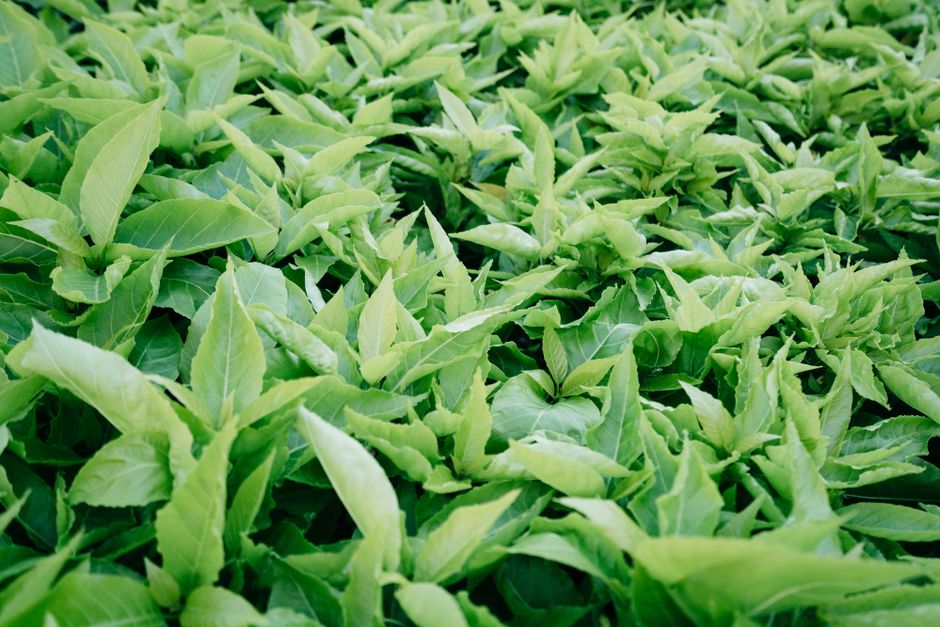
Container gardening is an innovative and accessible way to bring the beauty and benefits of gardening into smaller spaces, a concept growing in popularity in urban areas around Nigeria. With limited space, many Nigerians living in cities like Lagos or Abuja are turning to container gardens to cultivate personal oases right on their balconies or patios. The beauty of container gardening lies in its versatility and adaptability, making it a perfect fit for Nigerian homes regardless of the available space. If you've ever dreamt of growing lush plants or fresh vegetables but felt constrained by the lack of a traditional garden plot, container gardening is your answer.
Container gardening offers not just a practical solution to limited space but also brings the joys of nature closer, allowing urban dwellers to engage in nurturing a garden, even amidst concrete jungles. The ability to grow plants in containers means you can move them to optimize sunlight exposure, or even bring them indoors during extreme weather conditions. This flexibility is particularly advantageous in a climate as varied as Nigeria's, where managing sun and rain exposure can make all the difference to a thriving garden.
In this guide, we'll explore the essential elements of container gardening, from choosing the right containers to selecting suitable plants for Nigeria's climate. Whether you're a seasoned gardener or a complete novice, this step-by-step approach will help you create a vibrant container garden that enhances your home and nourishes your spirit.
Choosing the Right Containers
Size and Material
The first step in container gardening is selecting the appropriate containers. Size matters: the container must be large enough to accommodate the plant's root system. For taller plants or vegetables like tomatoes, opt for deeper pots, while shallow herbs can thrive in smaller containers.
Material is another important consideration. Clay pots are aesthetically pleasing but can dry out quickly, whereas plastic pots retain moisture better, making them ideal for Nigeria's hotter regions. Consider the weight, especially if you'll be moving the containers frequently.
Drainage
Proper drainage is crucial for healthy plants. Ensure containers have adequate holes to allow excess water to escape. This prevents root rot, a common issue in container gardening. If drainage is a problem, consider using a layer of gravel at the bottom of the pot.
Choosing the Right Plants
Climate Considerations
Nigeria's diverse climate zones mean that plant selection can vary significantly. In the humid south, tropical plants like ferns and caladiums thrive, while succulents and cacti may be better suited for the arid northern regions.
When selecting vegetables, consider indigenous varieties that are naturally adapted to the local climate. For instance, okra and peppers are resilient and productive choices.
Companion Planting
Companion planting is a smart way to maximize the use of available space and enhance plant health. Combining plants like basil and tomatoes can deter pests and improve growth.
- Basil and Tomatoes: The scent of basil repels pests that commonly attack tomatoes.
- Marigolds and Peppers: Marigolds can deter nematodes and other pests from pepper plants.
Soil and Nutrition
Choosing Soil
A successful container garden starts with quality soil. Opt for a mix specifically designed for container gardening, which typically includes peat, perlite, and slow-release fertilizers.
"Good soil is the backbone of any thriving container garden. Invest in quality and watch your plants flourish."
Fertilization
Container plants require regular feeding since nutrients wash away faster compared to ground gardens. Use a balanced, water-soluble fertilizer every 4-6 weeks to keep your plants thriving.
Maintenance and Care
Watering
Consistency is key when it comes to watering container plants. During Nigeria's dry season, daily watering might be necessary, while in the rainy season, reduce watering frequency to avoid waterlogging.
Check moisture levels with a finger test: if the top inch of soil feels dry, it's time to water.
Pruning and Deadheading
Regular pruning encourages healthy growth and prevents plants from becoming leggy. Deadheading, or removing spent flowers, encourages more blooms and is essential for flowering plants.
Final Thoughts
Container gardening is not just a solution for space constraints but a fulfilling hobby that brings nature into your daily life. In Nigeria, where urbanization is rapidly transforming our landscapes, it's a powerful way to maintain a connection to the land and enjoy fresh produce or beautiful blooms from the comfort of your home.
By understanding the basics of container gardening, from selecting the right pots and plants to knowing how to care for them, you can transform any space into a vibrant garden sanctuary. Whether you're looking to grow your vegetables or add ornamental flair to your balcony, container gardening in Nigeria is an accessible and rewarding endeavor.
Start small, experiment with different plants, and enjoy the process of nurturing life in your containers. Happy gardening!