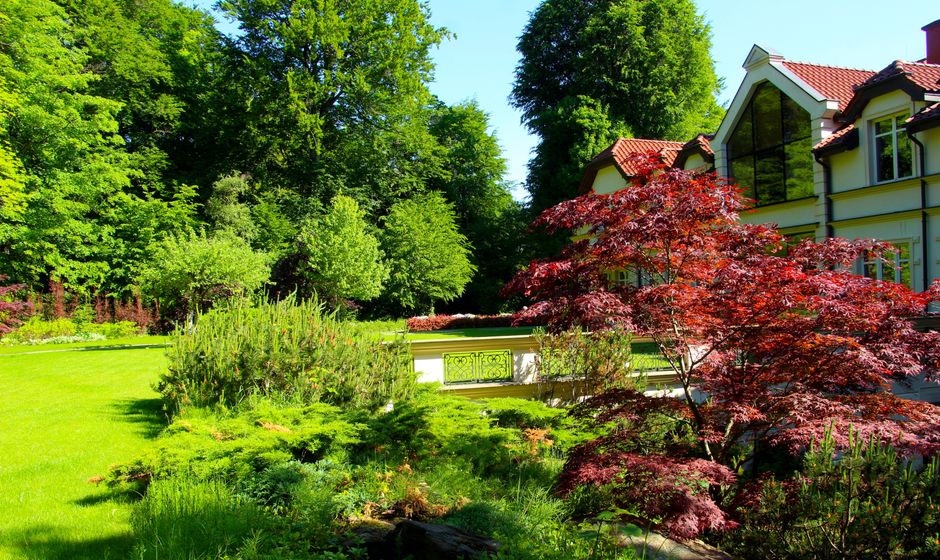
In the bustling cities of Nigeria, finding a patch of green can sometimes feel like a luxury. Yet, urban gardening is gaining momentum as more people recognize the transformative power of growing plants in limited spaces. Whether you have a balcony, a small backyard, or even just a sunny windowsill, bringing a touch of nature into your home can offer a host of benefits, from providing fresh produce to improving mental well-being. This article will guide you through the process of setting up a successful urban garden in your Nigerian home, helping you maximize whatever space you have available.
The key to successful urban gardening is knowing how to work with the space you have and the conditions that are unique to your environment. With a bit of planning and creativity, you can create a thriving garden right in the heart of your home. Not only does this help in reducing your carbon footprint by growing food locally, but it's also a fantastic way to relieve stress and connect with nature amidst the urban hustle and bustle.
Understanding Your Space
Before you dive into planting, it's crucial to assess the space you have. Urban gardening often involves working with unconventional spaces, so it's important to be realistic about what you can achieve.
Assessing Light Conditions
Light is one of the most critical elements for plant growth. Most plants require at least 6-8 hours of sunlight per day, so observe how much sunlight your space receives throughout the day.
- South-facing: Ideal for most plants as they receive full sun.
- East-facing: Receive morning sunlight, good for plants that prefer cooler temperatures.
- North-facing: Limited sunlight, suitable for shade-loving plants.
Measuring Available Space
The amount of space you have will determine the type and number of plants you can grow. Consider vertical gardening solutions if you're short on horizontal space.
- Balconies can support container gardens with herbs and vegetables.
- Windowsills are perfect for small pots and hanging planters.
- Backyards, though rare in urban areas, can accommodate larger plant beds.
Choosing the Right Plants
Not all plants thrive in the urban climate, so choosing the right ones is essential. Consider the climate and the conditions of your specific space.
Climate-Appropriate Choices
Nigeria's climate is generally warm and humid, making it suitable for a variety of plants. Opt for plants that are naturally adaptive to these conditions.
- Tomatoes: They love the heat and can be grown in pots.
- Peppers: Another heat-loving plant that grows well in containers.
- Herbs: Basil, mint, and cilantro thrive in Nigerian climates.
Low-Maintenance Plants
If you're new to gardening or have limited time, choose plants that require less maintenance.
- Succulents: Perfect for sunny spots and require minimal watering.
- Pothos: A versatile indoor plant that can thrive in various lighting conditions.
- Aloe Vera: Not only low-maintenance but also beneficial for its medicinal properties.
Setting Up Your Urban Garden
Once you've chosen your plants, it's time to set up your garden. This involves preparing your soil, choosing the right containers, and ensuring proper care.
Container Selection
Containers are the backbone of urban gardening. They come in various sizes, materials, and styles suitable for any plant type.
- Plastic Pots: Lightweight and affordable, ideal for balconies.
- Clay Pots: Porous, allowing for better air circulation.
- Hanging Baskets: Great for trailing plants and maximizing space.
Soil Preparation
Good soil is fundamental to plant health. Consider purchasing quality potting soil or make your own mix with compost.
- Ensure good drainage to prevent root rot.
- Incorporate organic matter for nutrient-rich soil.
- Maintain a slightly acidic to neutral pH for most plants.
Maintaining Your Urban Garden
Consistency is key when it comes to maintaining a healthy garden. This includes regular watering, pest control, and seasonal adjustments.
Watering Techniques
Urban gardens require frequent watering due to the confined space of containers which dry out faster than garden beds.
- Water early in the morning to reduce evaporation.
- Check the soil moisture level with your finger before watering.
- Mulch your pots to retain moisture.
Pest and Disease Management
Pests can sneak up on your plants quickly in an urban setting.
- Regularly inspect plants for signs of pests or disease.
- Use organic pesticides to protect both your plants and the environment.
- Encourage beneficial insects by planting companion herbs.
Final Thoughts
Urban gardening in Nigeria is not just a trend, but a rewarding lifestyle choice. It allows you to eat healthier, reduce your environmental impact, and enjoy the simple pleasure of nurturing plants. With the right approach, even the smallest urban space can become a lush and productive garden. Remember, gardening is a journey of learning and patience, so don't be afraid to experiment and see what works best for your unique space. Happy gardening!