Are you dreaming of cultivating your own vegetable garden in the vibrant Nigerian climate? Whether you're a seasoned gardener or just starting out, the idea of growing fresh, organic produce at home is both exciting and rewarding. Imagine stepping out into your garden to pick ripe tomatoes or spicy peppers for a homemade stew—it's a delight that's within your reach. In this comprehensive guide, we'll walk you through everything you need to know to start and maintain a thriving vegetable garden in Nigeria.
From selecting the right vegetables for your climate to understanding the nuances of Nigerian soil, this guide covers it all. We'll provide practical tips, based on local conditions, to help you avoid common pitfalls and fully enjoy the fruits of your labor, literally!
So grab your gardening gloves, and let's dig in (pun intended) to the world of vegetable gardening in Nigeria.
Understanding Your Climate and Soil
The Nigerian Climate
Nigeria's climate varies from arid in the north to humid in the south, with a distinct rainy season and dry season. These factors heavily influence what you can grow and when. For success in vegetable gardening, understanding these climatic patterns is crucial.
The rainy season, lasting from March to November, with peak rainfall in June and July, provides a natural irrigation system. However, it can also bring challenges like waterlogging and flooding, especially if your garden isn't adequately drained.
Soil Types in Nigeria
Soil quality can make or break your gardening efforts. In general, Nigerian soil can be sandy, loamy, or clayey, each with its own set of challenges and benefits. Sandy soils drain quickly but may not retain nutrients well, while clay soils retain water but can become compacted and challenging to work with.
Conduct a simple soil test to determine your soil type. Add organic matter, such as compost or well-rotted manure, to improve soil structure and fertility. This is crucial for growing healthy vegetables.
Choosing the Right Vegetables
Vegetables Suited for the Nigerian Climate
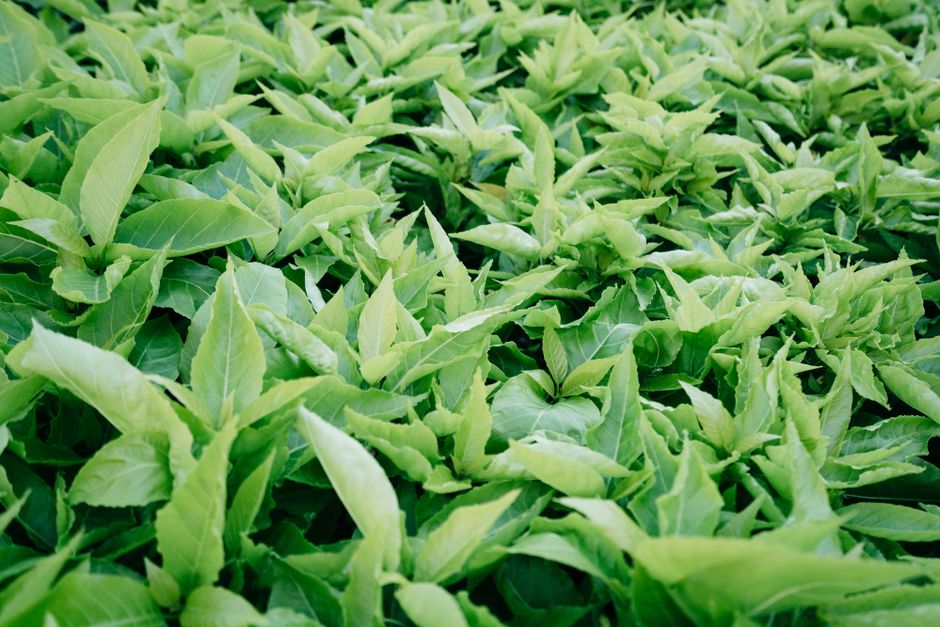
Some vegetables thrive particularly well in Nigeria's hot and humid conditions. Popular choices include tomatoes, peppers, okra, and leafy greens like spinach and fluted pumpkin (ugu). These vegetables are not only easy to grow but also form the backbone of many Nigerian dishes.
Consider planting sweet potatoes and yams, which are staple crops that do well in various soil types found across the country.
Timing Your Planting
Timing is everything in gardening. Planting at the right time ensures that your vegetables have the best chance to grow. For instance, leafy greens and root vegetables are best planted at the start of the rainy season, so they benefit from the natural irrigation.
Conversely, fruiting vegetables like tomatoes and peppers should be planted towards the end of the rainy season to avoid the risk of overwatering and disease.
Setting Up Your Vegetable Garden
Garden Layout and Design
Designing your garden layout is a critical step. Consider raised beds or containers if you have limited space or poor soil. Raised beds improve drainage and allow you to control soil composition more easily.
Ensure ample sunlight reaches your plants by positioning your garden in an open space. Most vegetables require at least 6-8 hours of sunlight daily.
Watering and Irrigation
Proper watering is essential for a successful vegetable garden. Water deeply but infrequently to encourage deep root growth. Avoid watering in the heat of the day to minimize evaporation.
"Water your plants early in the morning or late in the afternoon for best results."
Consider installing a drip irrigation system to ensure consistent moisture without water waste.
Pest and Disease Management
Common Nigerian Garden Pests
In Nigeria, common pests such as aphids, caterpillars, and slugs can wreak havoc on your vegetable garden. Natural predators, like ladybugs, can help control these pests without resorting to chemicals.
Regularly inspect your plants for signs of pests and take immediate action if needed. Neem oil and garlic sprays are effective organic solutions to deter pests.
Disease Prevention
Diseases like blight and powdery mildew are common in humid conditions. Practice crop rotation and ensure good air circulation around your plants to minimize disease risks.
Remove diseased plant material promptly to prevent spread.
Harvesting and Storing Your Produce
Knowing When to Harvest
Harvesting at the right time is key to enjoying flavorful vegetables. Most vegetables are ready for harvest when they've reached their full size and have a rich color.
For leafy greens, pick the outer leaves regularly to encourage new growth. Harvest root vegetables like carrots and beets when their tops reach a suitable size.
Storing Your Bounty
Proper storage extends the life of your produce. Leafy greens should be kept in a cool, moist place, while root vegetables store well in a cool, dark environment.
Consider drying or pickling excess produce to enjoy it year-round.
Conclusion
Venturing into vegetable gardening in Nigeria can be a fulfilling journey, filled with the joys of home-grown produce and the satisfaction of self-sufficiency. By understanding your local climate, soil, and choosing the right crops, you can create a successful and productive garden. With patience, persistence, and a little bit of love, you'll be able to enjoy fresh vegetables straight from your garden to your table.
So go ahead and plant those seeds—your Nigerian vegetable garden awaits!