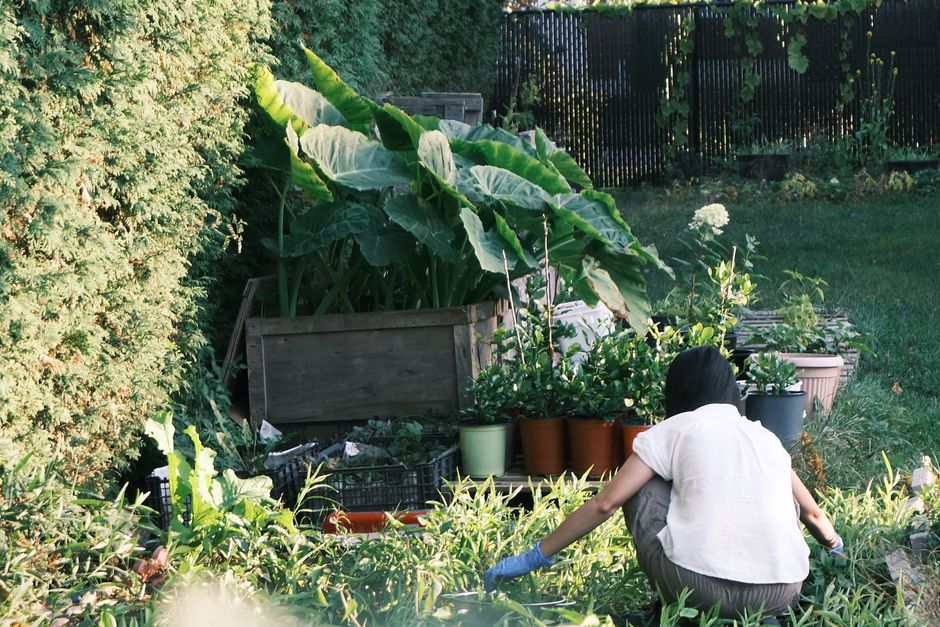
Choosing the right type of gardening setup can be a game-changer, especially in Nigeria where climate and space can vary widely. Today, we dive into a detailed comparison between two popular options: raised bed gardening and container gardening. Which is more suited for your garden? Let's explore the tradeoffs and benefits of each to help you make an informed decision.
Imagine trying to grow vibrant vegetables in a bustling Lagos apartment or sprawling Ibadan yard. These two scenarios demand different approaches. While both raised beds and container gardening have their merits, understanding their specific advantages and limitations will guide you toward the best choice for your green space.
Understanding Raised Bed Gardening
What is Raised Bed Gardening?
Raised bed gardening involves planting in soil that is higher than the ground level. It can be encased with wood, stone, or even recycled materials. This method is especially popular in areas with poor soil quality.
"Raised beds can significantly improve drainage, which is crucial during heavy rains common in some Nigerian regions."
Benefits of Raised Bed Gardening
- Improved Soil Quality: You have control over the soil quality by choosing a rich, well-draining mix.
- Better Drainage: Raised beds allow water to drain more efficiently, preventing waterlogging.
- Ease of Access: The elevation reduces the need to bend down, making gardening more enjoyable.
Drawbacks of Raised Bed Gardening
- Initial Cost: Building a raised bed requires materials, which can be a financial investment.
- Space Requirement: They require a dedicated area, which might not fit in smaller yards or urban settings.
Exploring Container Gardening
What is Container Gardening?
Container gardening uses pots or other containers to grow plants. This method is highly versatile and excellent for restricted spaces, like balconies or patios.
"For those living in urban areas of Nigeria, container gardening offers the flexibility to move plants according to sun exposure and space constraints."
Benefits of Container Gardening
- Flexibility: Containers can be moved based on seasonal changes or aesthetic preferences.
- Space Efficient: Perfect for small spaces and urban environments with no yards.
- Cost-effective: Can start small with minimal investment using upcycled containers.
Drawbacks of Container Gardening
- Limited Plant Size: The size of the plant is restricted by the container.
- Frequent Watering: Containers dry out faster and may require more frequent watering, especially in Nigeria's hot climate.
Comparing Raised Beds and Containers
Space and Flexibility
In terms of space, container gardening takes the lead for those with limited room. Raised beds, however, can support more extensive planting for those with larger garden spaces.
Cost Considerations
Initial setup costs for raised beds might be higher due to purchasing materials like wood or stone. On the other hand, container gardening can start economically with reused pots.
Maintenance and Effort
Both methods require regular maintenance, but raised beds might need less frequent watering than containers. However, containers offer the convenience of repositioning easily, which can reduce pest issues.
Final Thoughts
Your choice between raised bed and container gardening should reflect your available space, budget, and gardening goals. For suburban or rural Nigerians with ample space, raised beds could provide a more robust gardening option, allowing for larger plantings and less frequent watering. Urban gardeners might find containers more practical, offering flexibility and convenience in cramped spaces.
Whether you're nurturing a few herbs on a Lagos balcony or tending a lush backyard in Kano, these insights should guide you toward a successful gardening journey.