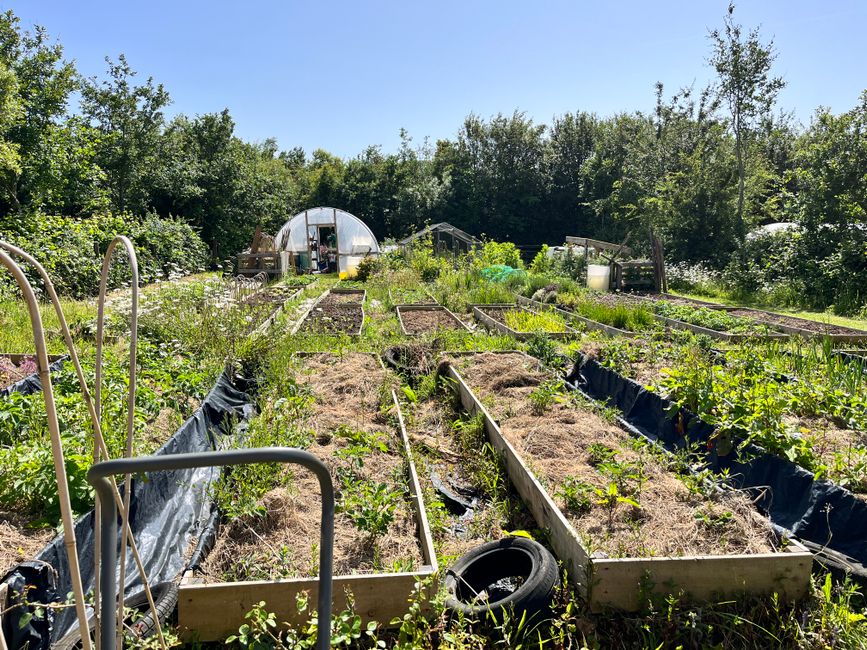
Gardening is a beloved activity that offers both relaxation and sustenance. In Nigerian homes, where space can sometimes be a premium, choosing the right method of gardening is crucial. Whether you have a sprawling backyard or a compact balcony, the decision often boils down to two popular methods: raised beds and container gardening. Both have their merits and challenges, and your choice may significantly impact your gardening success.
If you're contemplating starting a garden or looking to enhance your existing one, understanding these two options will help you make an informed choice. Let's delve into the specifics, focusing on how each option aligns with Nigerian conditions.
Understanding Raised Beds
Raised beds are essentially garden plots that sit above the ground, contained within a frame. They can be made from wood, stone, or other materials. This method offers a host of benefits but also comes with its own set of challenges.
Advantages of Raised Beds
- Improved Soil Quality: You have complete control over the soil composition, allowing you to tailor it to the specific needs of your plants.
- Better Drainage: Elevated soils drain faster, which is particularly useful during Nigeria's rainy season.
- Reduced Soil Compaction: Since you don't walk on the soil, it remains loose and aerated.
Challenges of Raised Beds
- Initial Cost: Building a raised bed can be expensive, especially if you opt for durable materials like stone or treated wood.
- Maintenance: Although they reduce some types of labor, raised beds require regular maintenance to prevent weeds and pests.
Container Gardening Explained
Container gardening, as the name suggests, involves growing plants in containers. This method is incredibly versatile and can be adapted to various spaces, making it a popular choice for urban Nigerian gardeners.
Advantages of Container Gardening
- Space Efficiency: Perfect for small spaces, you can grow plants in any container that holds soil, from pots to old buckets.
- Mobility: Containers can be moved to optimize sunlight exposure or protect plants from harsh weather.
- Cost-Effectiveness: You can often repurpose household items, reducing the need for new purchases.
Challenges of Container Gardening
- Limited Root Space: The confined space can restrict root growth and, subsequently, the plant size.
- Frequent Watering: Containers tend to dry out faster than garden beds, necessitating more frequent watering.
Which is Better for Nigerian Conditions?
Considering the climate and typical household setups in Nigeria, both raised beds and container gardening have their place. For those with a bit of yard space, raised beds offer a more traditional gardening experience with the added benefits of improved soil conditions and drainage. However, if you're living in a city with limited space, container gardening offers unmatched flexibility and ease of use.
"The choice between raised beds and container gardening depends on your space, resources, and personal preference," says Ifeanyi Ugwu, a local horticulturist based in Lagos.
It's also worth noting that raised beds might be better suited for perennials and larger plants, whereas containers are ideal for annuals and small vegetables.
Final Thoughts
In the end, the decision between raised beds and container gardening should align with your specific needs, lifestyle, and available resources. Both methods can yield bountiful harvests and bring beauty to your home environment. Consider starting small, experimenting with both methods, and see which one brings you the most joy and success. Happy gardening!