When it comes to maximizing your gardening space, raised beds and container gardening are two popular choices. Whether you're living in bustling Lagos or a quiet village in Ekiti, both methods offer unique advantages and challenges. But which is right for you? Let's explore the differences and help you make an informed decision.
Space and Layout
One of the first things to consider is the space you have available. If you're working with a small backyard or even a balcony, this will influence your choice significantly.
Raised Beds
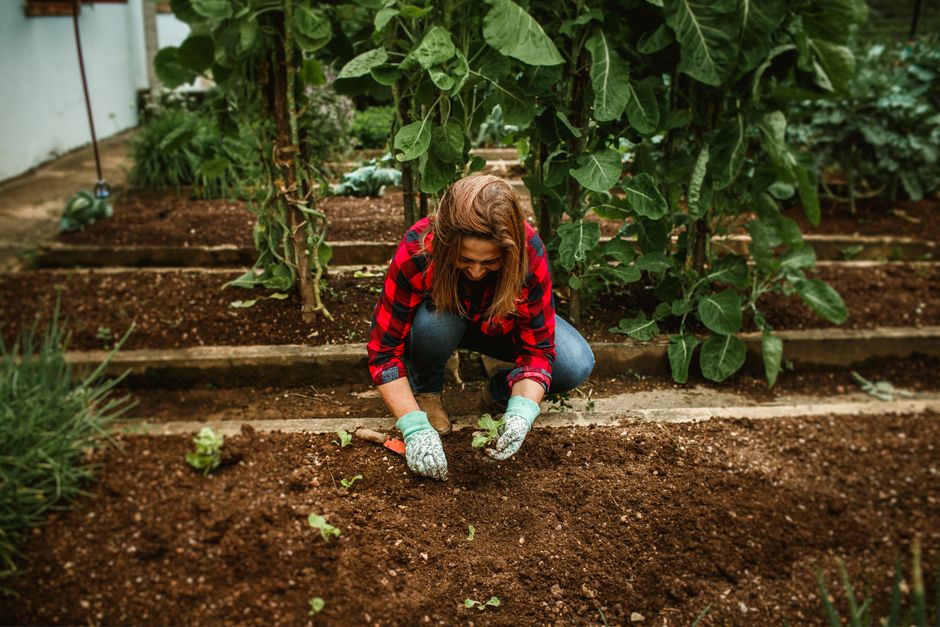
Raised beds are often permanent structures built directly on the ground. This setup is great if you have a relatively flat and open space. With a raised bed, you can easily organize your plants in neat rows, which is efficient for managing and harvesting.
- Pros: Efficient use of ground space, easier to install drip irrigation systems.
- Cons: Requires more initial setup, not suitable for small or indoor spaces.
Container Gardening
Container gardening offers flexibility. You can move pots and containers around as needed, making it ideal for those who want a garden but lack permanent outdoor space.
- Pros: Highly flexible, easier to manage in small spaces.
- Cons: Limited root space, frequent watering needed.
Soil and Plant Health
The type of plants you want to grow and the soil conditions are also crucial considerations.
Raised Beds
With raised beds, you have the advantage of controlling the soil quality. You can fill them with nutrient-rich soil, especially helpful in Nigeria where soil quality can vary greatly.
"Raised beds let you customize your soil mix, which is a boon for regions with poor soil quality."
This allows for better drainage and healthier plants.
Container Gardening
Container gardening also allows for soil customization but comes with the challenge of quicker nutrient depletion.
"Containers need regular feeding to maintain soil fertility, especially in hot climates like Nigeria."
This means more attention is needed to keep your plants thriving.
Cost and Maintenance
Both methods have financial and labor costs, but they differ in ways you’ll want to consider.
Raised Beds
Building a raised bed involves construction materials. The initial setup can be costly, but they usually require less maintenance over time.
- Pros: Long-term investment, less frequent watering.
- Cons: Higher initial costs, requires planning and construction.
Container Gardening
Containers can be more affordable upfront, using items you already have at home. However, they may require more frequent attention.
- Pros: Lower initial cost, uses recycled materials.
- Cons: More frequent watering and soil replacement.
Cultural and Aesthetic Impact
Finally, think about how each method complements your lifestyle and living space aesthetics.
Raised Beds
Raised beds can be beautiful, becoming a centerpiece in a garden. They can be designed to fit various styles, from rustic to modern.
"A well-designed raised bed can elevate the aesthetic of your outdoor space."
However, they are less versatile in terms of location.
Container Gardening
Container gardens can be as varied as the containers themselves. They offer a chance to express creativity and adapt to changing dietary needs.
"Containers let you mix decorative and edible plants harmoniously."
They can easily be moved indoors during bad weather, providing versatility.
Final Thoughts
Choosing between raised beds and container gardening depends largely on your space, resources, and personal preferences. Raised beds offer a more permanent solution with potentially less long-term maintenance, ideal for those who have the space and resources. Container gardening offers flexibility and is perfect for urban dwellers or those with limited outdoor space. Both methods can yield bountiful and beautiful gardens when executed with care.