When I first decided to transform my little patch of land in Lagos into a thriving garden oasis, I thought I had it all figured out. Armed with a few articles and a couple of YouTube videos, I embarked on what I thought was a straightforward journey. But as any seasoned gardener will tell you, the garden has its own set of rules, and it’s not shy about teaching you a lesson or two.
Fast forward a few seasons, and my garden is far from the lush paradise I envisioned. Instead, it’s a patchwork of triumphs and errors. If I could turn back time, here’s what I’d do differently in my Nigerian garden adventure.
Understanding Soil Composition
The Initial Mistake
My first error was underestimating the power of the soil. I assumed that any soil could support the blooming greens I dreamed of. In reality, not all dirt is created equal. I started with sandy soil, common in Lagos, which is well-draining but not rich in nutrients. This made my plants grow weak and stunted.
What I'd Do Differently
Now, I would begin with a soil test. Knowing the pH and nutrient levels would guide the right amendments. For Nigerian soil, enriching it with organic compost is crucial. I would also add cocopeat to improve moisture retention without waterlogging the roots.
- Conduct a basic soil test for pH and nutrients.
- Mix in organic compost and cocopeat to enhance soil quality.
- Use mulch to preserve moisture and regulate soil temperature.
"Healthy soil is the foundation of a thriving garden."
Selecting the Right Plants
The Initial Mistake
In my over-excitement, I picked plants based on how they looked, not on their compatibility with the Nigerian climate. I struggled to keep exotic flowers alive, only to watch them wither away under the harsh sun.
What I'd Do Differently
I’d focus on indigenous plants that naturally thrive in the local climate. Cassava, okra, and hot peppers are not only resilient but also provide a bounty of produce. It’s about working with nature, not against it.
- Consider local climate and seasonal changes.
- Opt for indigenous plants like cassava and okra.
- Research plant needs thoroughly before planting.
Maximizing Small Spaces
The Initial Mistake
My small garden space quickly became overcrowded. I planted too many varieties too close together, thinking more plants would mean more harvest. Instead, it meant competition for resources.
What I'd Do Differently
Utilizing vertical gardening techniques and companion planting would allow for better use of space. I’d stagger planting times to ensure a continuous harvest.
- Experiment with vertical gardening solutions like trellises.
- Use companion planting to maximize space and benefit plants.
- Stagger planting times for a consistent harvest.
Watering Wisely
The Initial Mistake
I was guilty of drowning my plants in an effort to keep them hydrated. What I didn’t realize was that too much water can suffocate roots, especially in poorly-drained soil.
What I'd Do Differently
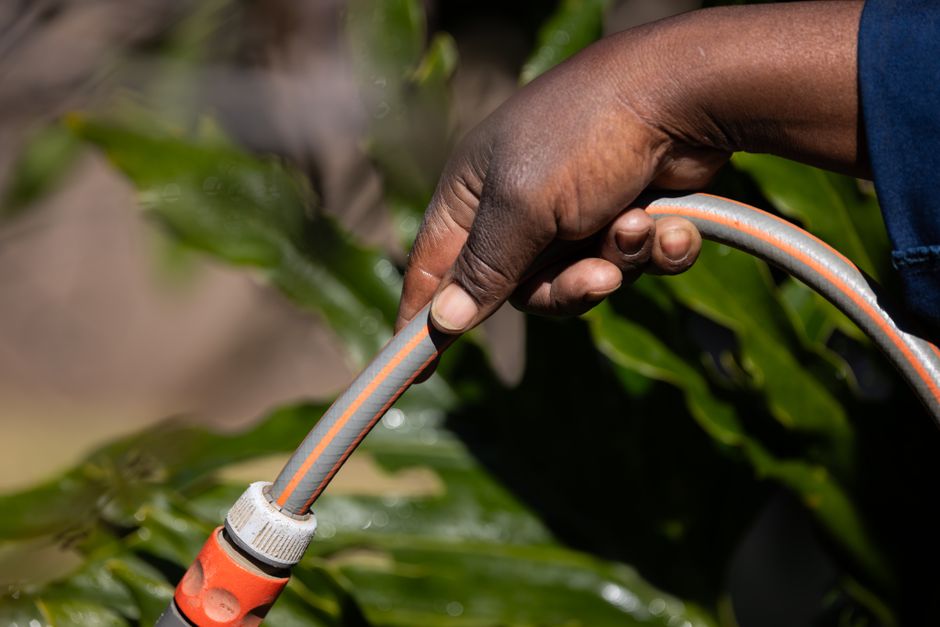
Now, I understand the importance of a watering schedule. Drip irrigation or soaker hoses would provide a slow, steady supply of water. This ensures plants get the moisture they need without the risk of overwatering.
- Create a consistent watering schedule.
- Use drip irrigation for even water distribution.
- Check soil moisture levels regularly.
"The right amount of water is as crucial as the right amount of sunlight."
Pest Control Strategies
The Initial Mistake
When pests first descended on my fledgling greens, I reached for chemical pesticides. They worked initially but left the garden ecosystem unbalanced, killing beneficial insects as well.
What I'd Do Differently
Embracing organic pest control methods would be my priority. Neem oil, garlic spray, and companion planting with pest-repelling herbs like basil and mint can keep the garden healthy and chemical-free.
- Explore organic pest control options like neem oil.
- Plant pest-repelling herbs alongside vegetables.
- Encourage beneficial insects like ladybugs.
Conclusion
Gardening in Nigeria offers unique challenges and rewards. If I could start over, these are the strategies I’d employ to avoid my previous missteps. Learning from experience is invaluable, but sharing those lessons can save others from similar pitfalls. Whether you're starting your first garden or looking to improve an existing one, remember that every mistake is a step towards greener success.