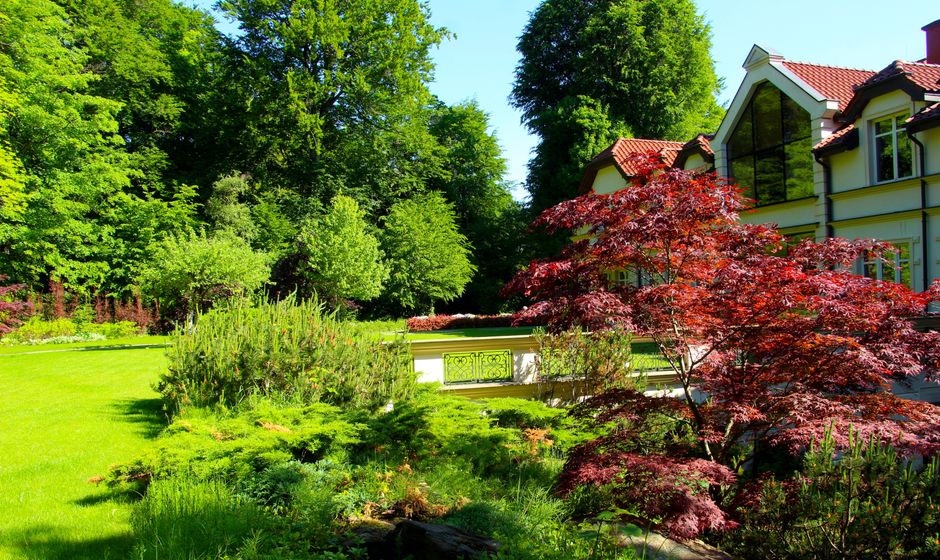
Gardening in Nigeria can offer a unique and fulfilling experience, whether you're in the bustling city of Lagos or the serene plains of Jos. With the right DIY approach, you can transform your open space into a vibrant garden oasis. Leveraging local plants and sustainable practices, we'll guide you through the steps to make your garden both beautiful and environment-friendly. Let's dig into some practical DIY garden ideas that will not only enhance your space but also bring joy and relaxation to your home life.
Imagine stepping out into your backyard every morning and being greeted by the lively colors of hibiscus, the soothing green of ferns, or the aromatic presence of lavender. Not only does a well-maintained garden boost your property's aesthetic appeal, but it also provides an excellent space for relaxation and family gatherings. With these easy DIY projects, you can make this dream a reality.
Whether you're a seasoned gardener or a novice eager to get your hands dirty, these tips will help you create a thriving garden that aligns with Nigeria's diverse climates and soil conditions. Let's explore how you can grow a lush, sustainable garden with local flair.
Understanding Your Garden Environment
Before jumping into any gardening project, it's crucial to understand the environment you're working with. Nigeria's varying climate zones can significantly affect the types of plants that will thrive in your garden.
Climate Considerations
Nigeria experiences two primary seasons: the rainy and dry seasons. Your location within the country will influence how these seasons affect your garden.
- Southern Nigeria: Expect a longer rainy season. Focus on plants that thrive in moist conditions.
- Northern Nigeria: This area has a shorter rainy season. Consider drought-resistant plants and efficient watering techniques.
Soil Types and Preparation
The soil can vary significantly, from sandy in the North to clay-like in the South. Proper soil preparation is key for successful planting.
- Loamy Soil: Ideal for most plants due to its balanced texture and nutrient content.
- Clay Soil: Can retain water but may need organic matter like compost to improve drainage.
- Sandy Soil: Drains quickly but may require additional nutrients to support plant growth.
Creative DIY Garden Projects
Now that you understand your garden's environment, let's explore some creative DIY projects to enhance its beauty and functionality.
Vertical Gardens
If you're short on space, vertical gardens are an excellent way to maximize your planting area.
- Pallet Gardens: Use wooden pallets to create a wall of plants. Perfect for herbs or small vegetables.
- Hanging Pots: Install hooks or brackets to hang pots with cascading plants like ferns or spider plants.
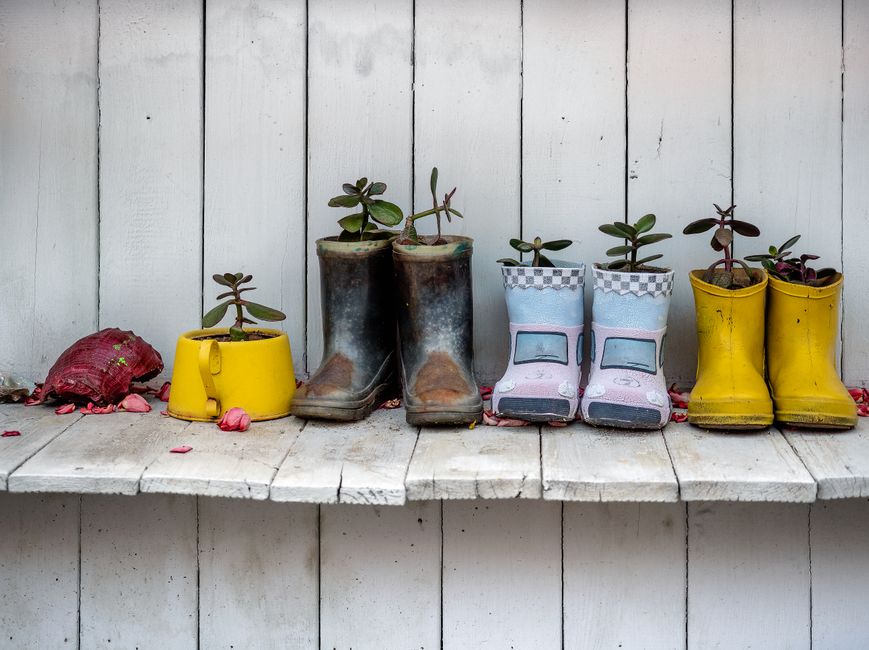
Upcycled Planters
Transform everyday items into unique planters. This not only saves money but also adds a personal touch to your garden.
- Old Tires: Paint them in vibrant colors and fill them with soil for a rustic planter.
- Plastic Bottles: Cut them in half, fill them with soil, and plant small herbs or flowers.
Composting Station
Create a composting station to recycle kitchen waste into nutrient-rich soil for your plants.
- Choose a Spot: Find a shady spot in your garden for your compost bin.
- Layering: Alternate layers of green waste (vegetable scraps) and brown waste (dried leaves).
Choosing the Right Plants
Choosing the right plants is essential to ensure your garden thrives throughout the year. Here are some suggestions for Nigerian gardens:
Ornamental Plants
- Hibiscus: Known for vibrant flowers and hardy nature.
- Bougainvillea: Adds a splash of color and can thrive with minimal water.
Herbs and Vegetables
- Scent Leaf: Popular in Nigerian cuisine, easy to grow in pots.
- Ugu (Fluted Pumpkin): A nutritious plant that's easy to cultivate.
Maintenance and Sustainability Tips
Once your garden is set up, maintaining it is crucial for long-term success. Incorporate sustainable practices to make your garden eco-friendly.
Watering Techniques
Efficient watering is key, especially during the dry season.
- Drip Irrigation: Saves water by directing it straight to the roots.
- Rainwater Harvesting: Collect rainwater for garden use during dry spells.
Pest Control
Keep your garden healthy with natural pest control methods.
- Neem Oil: A natural pesticide that can deter a variety of pests.
- Companion Planting: Planting certain combinations can naturally repel pests.
Conclusion
Gardening in Nigeria is not just about aesthetics; it's about creating a space that nurtures the body and soul. With these DIY tips, you can transform your garden into a vibrant, sustainable haven. From understanding your local environment to selecting the right plants and implementing eco-friendly practices, your garden can become a reflection of your personal style and commitment to nature. Happy gardening!