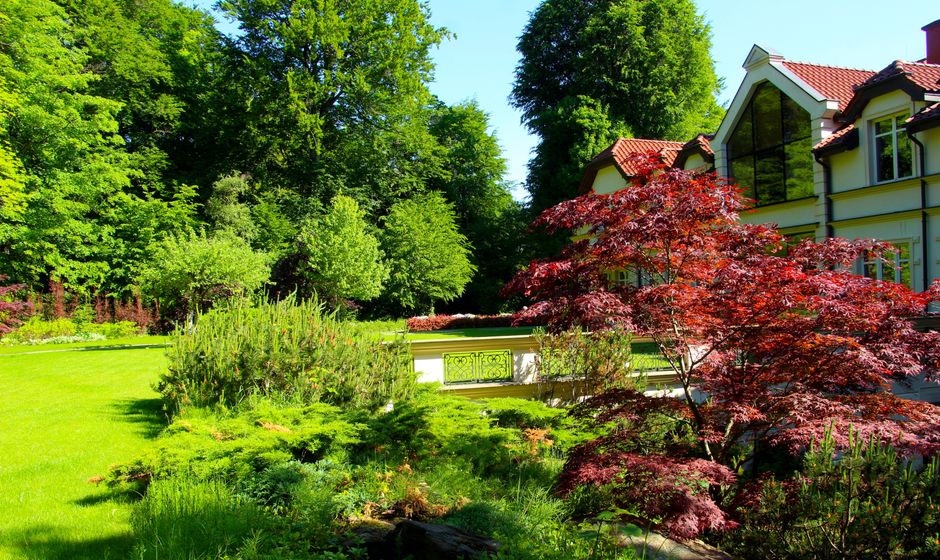
Have you ever imagined stepping into your backyard and feeling like you're in a lush paradise? Creating a vibrant garden in Nigeria is not only possible but also incredibly rewarding. With the right guidance, you can transform your space into a haven of greenery and colors that reflects the rich biodiversity of our land. Whether you're starting from scratch or looking to enhance an existing garden, this comprehensive guide will walk you through everything you need to know about gardening in Nigeria.
Gardening is not just about planting flowers or growing vegetables; it's a way of life that brings you closer to nature. In Nigeria, with our varied climate zones and fertile soil, the possibilities for gardening are endless. From the tropical rainforests of the South to the arid savannas of the North, each region offers unique opportunities and challenges for gardeners. Let's dive into the essentials of creating a thriving garden that suits our local environment and your personal style.
This guide will cover practical tips and insights tailored for Nigerian gardeners. We'll explore how to choose the right plants, optimize your soil, manage water efficiently, and protect your garden from pests. Additionally, we'll discuss the importance of sustainable practices and how you can make your garden eco-friendly. Get ready to roll up your sleeves and turn your gardening dreams into reality!
Understanding the Nigerian Climate
Regional Climate Variations
Nigeria's climate varies significantly from one region to another, influencing the types of plants that will thrive. In the South, the tropical climate with abundant rainfall supports lush vegetation, while the drier North requires drought-resistant species.
For successful gardening, it's crucial to understand the specific climate of your area. This knowledge will inform your plant choices and help you plan for seasonal changes, ensuring a vibrant garden year-round.
Adapting to Seasonal Changes
Nigeria experiences two major seasons: the rainy season and the dry season. Each brings different challenges and opportunities for gardeners. During the rainy season, focus on planting and nurturing your garden, while the dry season is perfect for maintenance and planning.
By aligning your gardening activities with the seasons, you can maximize your garden's growth and minimize potential setbacks. This seasonal approach will also help you conserve resources like water and fertilizers.
Choosing the Right Plants
Indigenous vs. Exotic Plants
When selecting plants for your garden, consider a mix of indigenous and exotic species. Indigenous plants are well-adapted to the local environment, requiring less maintenance and resources, while exotic plants can add unique colors and textures.
Consider using indigenous plants as the backbone of your garden, supplementing them with a few exotic species for added variety. This approach balances sustainability with aesthetic appeal, ensuring a beautiful and resilient garden.
Popular Nigerian Plants
- Hibiscus (Zobo): Known for its vibrant flowers and versatility, hibiscus is popular in Nigerian gardens.
- Croton: With its colorful foliage, croton adds a splash of color and is relatively easy to care for.
- Scent Leaf (Efirin): A staple in Nigerian cuisine, this herb is both functional and fragrant.
- Flamboyant Tree (Delonix Regia): This tree provides shade and stunning red-orange flowers.
Soil and Water Management
Optimizing Soil Quality
Good soil is the foundation of a healthy garden. In Nigeria, soil types can vary widely, so it's important to assess your soil's condition and amend it as needed. Adding organic matter such as compost can improve soil fertility and structure.
Regular soil testing can help you understand its nutrient levels and pH balance, informing your fertilization and amendment strategies. This ensures your plants receive the nutrients they need for optimal growth.
Efficient Watering Practices
Water is a precious resource, especially during the dry season. Implementing efficient watering practices can help you conserve water and keep your garden healthy. Consider using drip irrigation or soaker hoses to deliver water directly to the roots.
Mulching is another effective way to retain soil moisture and suppress weeds. A layer of organic mulch keeps the soil cool and reduces evaporation, allowing you to water less frequently.
Pest and Disease Management
Identifying Common Pests
Nigerian gardens host a variety of pests that can threaten your plants, from aphids and caterpillars to snails and slugs. Early identification and intervention are key to managing these pests effectively.
- Inspect your plants regularly for signs of pest activity.
- Use natural remedies like neem oil or garlic spray to deter pests without harming beneficial insects.
- Encourage natural predators such as birds and beneficial insects to help control pest populations.
Preventing Plant Diseases
Plant diseases can quickly spread and devastate your garden if not managed properly. Practicing good garden hygiene, such as removing diseased plant material and providing adequate air circulation, can help prevent disease outbreaks.
Ensure your plants are well-nourished and not stressed, as healthy plants are more resistant to disease. Rotate your crops to prevent soil-borne diseases, and select disease-resistant varieties when available.
Embracing Sustainability in Your Garden
Eco-Friendly Gardening Practices
Adopting sustainable gardening practices not only benefits the environment but also enhances your garden's health and productivity. Focus on reducing waste, conserving water, and promoting biodiversity.
"Gardening sustainably in Nigeria means working with nature, not against it. By using resources wisely, we can create gardens that thrive with minimal impact on our environment."
Consider composting kitchen and garden waste to create nutrient-rich soil amendments. This not only reduces landfill waste but also improves soil health and plant growth.
Encouraging Biodiversity
A diverse garden is a resilient garden. By encouraging a wide range of plant and animal species, you create a balanced ecosystem that supports plant health and pest control.
Plant a variety of flowers to attract pollinators like bees and butterflies, and include shrubs and trees for birds and small mammals. This not only enhances your garden's beauty but also its ecological function.
Conclusion
Creating a lush, thriving garden in Nigeria is an achievable goal with the right knowledge and effort. By understanding the local climate, choosing appropriate plants, and implementing sustainable practices, you can transform your outdoor space into a personal oasis. Remember, gardening is a journey, not a destination. Enjoy each step of the process, and don't be afraid to experiment and learn from nature. With patience and dedication, your garden will flourish, providing you with beauty, relaxation, and a deeper connection to the natural world.