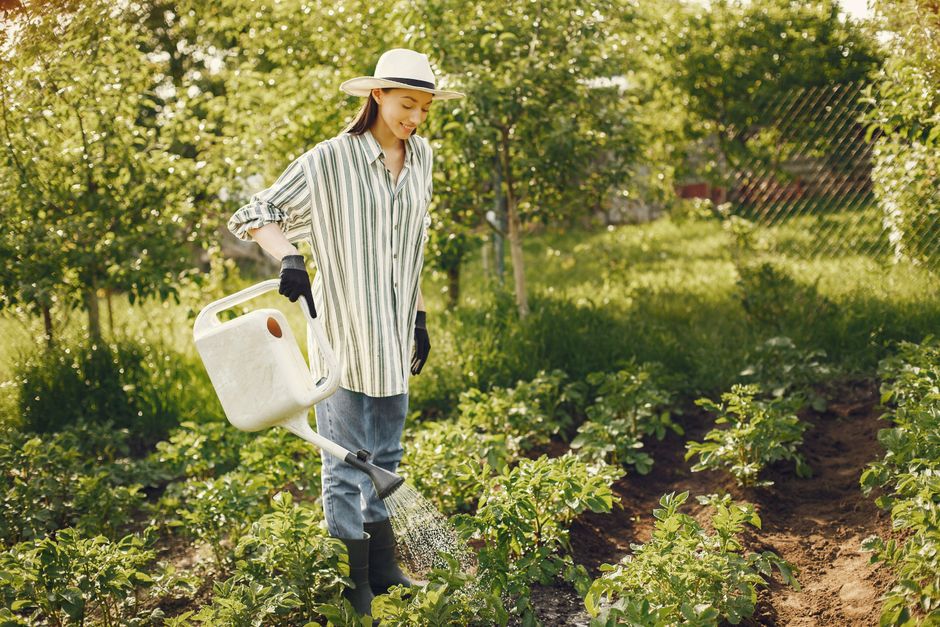
Gardening in Nigeria is a journey filled with rich soil, diverse plants, and a vibrant culture. Yet, myths about gardening abound, often leading to confusion for budding horticulturists. If you've ever hesitated to plant a certain species because of something you heard, you're not alone. Today, we unravel the truth behind some of these beliefs and provide you with practical, evidence-based advice for your garden.
Whether it's about what vegetables can flourish in the sultry state of Lagos or why your tomato plants are languishing despite all efforts, these myths have a curious way of entangling themselves in our gardening folklore. Do you really need to water plants daily in Nigeria's climate? Is it true that only imported fertilizers can enrich the soil effectively? Let's dig in and uproot the misinformation.
Myth 1: Water Daily for a Thriving Garden
The Claim
In Nigeria's intense heat, many believe that daily watering is essential for plant survival. This belief often leads to gardeners soaking their plants every day, expecting lush, thriving greenery as a result.
The Reality
While it's true that the Nigerian sun can be unforgiving, daily watering is not always the answer. Overwatering can lead to root rot and other plant diseases, which is often why those tomato plants seem to wither away despite loving care.
- Tip: Check soil moisture about an inch below the surface before watering. If it's dry, it's time to water.
- Use mulch to retain soil moisture and reduce evaporation.
- Consider drip irrigation or a soaker hose that targets the roots directly.
"Water deeply and less frequently to encourage root growth."
Myth 2: Imported Fertilizers Are Superior
The Claim
There's a common belief that imported fertilizers are a gardener's best friend, providing superior nutrients compared to local options.
The Reality
This myth debunks the potential of local organic waste, which can be just as effective, if not more, when used as compost or mulch. Imported fertilizers often lack the micronutrients necessary for our indigenous plants.
- Tip: Utilize local materials like chicken manure or ash to enrich your soil naturally.
- Rotate crops to maintain soil health and reduce dependency on chemical fertilizers.
- Test your soil to understand what nutrients it lacks before choosing a fertilizer.
"Local resources are often better suited for your garden than imported alternatives."
Myth 3: All Plants Thrive in Any Soil
The Claim
Nigeria's diverse regions lead to a misconception that any plant can grow anywhere, thanks to its rich soils.
The Reality
Not all plants thrive in all types of soil. Understanding your soil type can make a significant difference in your garden's success. For instance, sandy soils found in parts of northern Nigeria are not ideal for water-loving plants like cocoyam.
- Tip: Conduct a soil test to determine pH and nutrient levels. Adjust accordingly.
- Consider raised beds or container gardening if your soil isn't suitable for certain plants.
- Choose native plants that are adapted to local soil conditions for better success.
"Match plants to your soil for a flourishing garden."
Myth 4: Pruning Is Harmful
The Claim
Pruning is often viewed as a destructive process. Many believe it harms plants and should be avoided to prevent damage.
The Reality
Pruning, when done correctly, is actually beneficial. It helps remove dead or diseased branches, allows for better air circulation, and promotes new growth. The key lies in timing and technique.
- Tip: Prune during the dormant season or after blooming, depending on the plant species.
- Use sharp, clean tools to prevent the spread of disease.
- Focus on removing weak or crossing branches to improve plant structure.
"Pruning is an art that, when mastered, boosts plant health and productivity."
Final Thoughts
The garden is a place of learning, and like any good student, a gardener must sift through information to find the truth. By understanding the facts behind these myths, you can tailor your gardening practices to suit Nigeria's unique environment, leading to healthier plants and a more fruitful harvest. So the next time you step into your garden, remember that a little research and local knowledge can go a long way in debunking myths and nurturing a beautiful, thriving space.