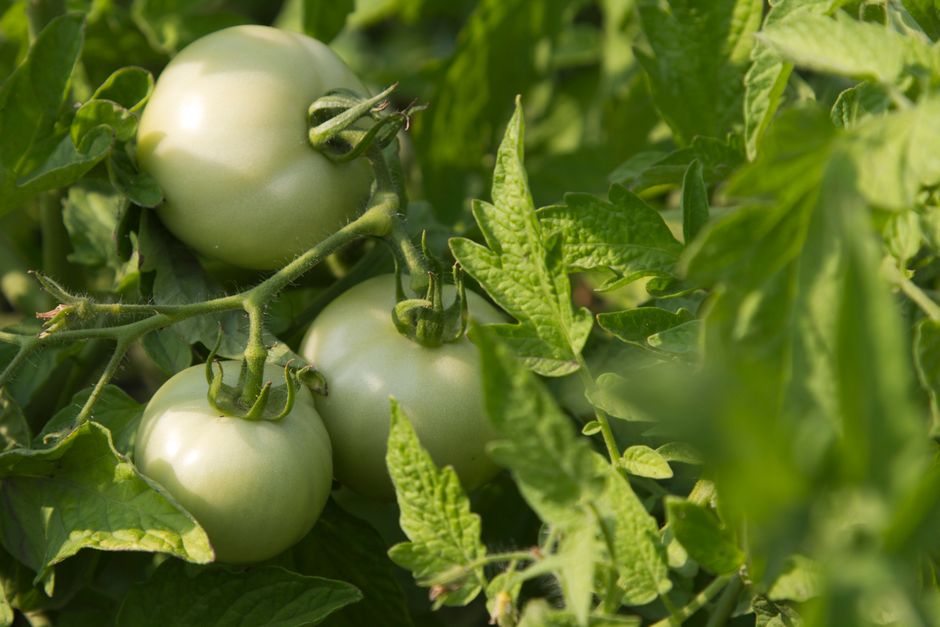
Growing tomatoes in your garden can be incredibly rewarding, not just for their juicy flavor but also for the pride of nurturing them from seed to plate. However, there’s nothing more frustrating than watching your tomatoes sit stubbornly green on the vine long after they should have ripened. If you’ve tried the usual tricks like checking sunlight exposure and watering consistently yet your tomatoes remain unripe, it’s time to dig deeper into the unseen factors that could be hindering their progress.
In Nigeria, where the climate can vary significantly, these challenges might seem even more daunting. Let’s explore the hidden triggers keeping your tomatoes from ripening and how you can address them to finally enjoy a bountiful harvest.
Understanding Tomato Ripening
Tomato ripening is a complex process influenced by multiple factors. At its core, ripening is triggered by the production of ethylene gas, a natural plant hormone. This gas transforms tomatoes from green to red (or other ripe colors, depending on the variety), and influences their texture and flavor.
Common Misconceptions
- Temperature Myth: Many believe that the hotter the climate, the faster tomatoes will ripen. In reality, tomatoes ripen best between 70°F and 75°F (21°C and 24°C).
- Sunlight Overload: While tomatoes need sunlight, too much can lead to sunscald, halting the ripening process and damaging the fruit.
Knowing these helps us dive into the lesser-known reasons your tomatoes might be reluctant to turn colors.
Hidden Triggers Affecting Ripening
Soil Composition Issues
Sometimes, the problem lies beneath the surface. Soil quality is crucial for healthy plant growth, and an imbalance in nutrients can hamper your tomatoes’ ability to ripen. Ensure your soil has the right balance of nitrogen, phosphorus, and potassium.
"A soil test can reveal deficiencies or imbalances that are not visible to the naked eye." - Garden Expert, Chika Adebayo
Humidity Levels
Excessive humidity can be a surprising culprit in slowing down ripening. High humidity levels, especially during Nigeria's rainy season, can affect the rate at which ethylene gas is released, slowing down the ripening process.
- Solution: Ensure proper air circulation around the plants, perhaps by staking them to improve airflow.
Plant Stress
Plants under stress, whether from pests, diseases, or environmental factors, often redirect energy to survival rather than fruit ripening.
- Solution: Regularly inspect for signs of disease or pest infestation and take immediate action using appropriate organic or chemical solutions.
Innovative Solutions for Stubborn Tomatoes
The Banana Trick
Did you know that bananas release ethylene gas? Placing a ripe banana next to your tomatoes can encourage ripening.
"Bananas work like magic. Simply place them in a paper bag with your tomatoes and watch the magic unfold." - Local Gardener, Funmi Olalekan
Mulching
Using mulch can help regulate soil temperature and moisture levels, creating a more stable environment for your tomatoes to thrive and ripen.
- Opt for organic mulches like straw or grass clippings.
Adjusting Watering Techniques
Inconsistent watering can stress tomato plants, impacting fruit development. During dry spells, it’s crucial to water deeply but less frequently to encourage roots to grow deeper into the soil.
Conversely, during heavy rains, ensure proper drainage to prevent waterlogging.
Final Thoughts
Ripening tomatoes might seem straightforward, but when they refuse to cooperate, it's essential to think outside the box. By addressing these hidden factors, you can turn your garden’s green frustrations into a vibrant red success story. Remember, gardening is a journey filled with learning and discovery.
Have any additional tips that worked for you? Share them in the comments below; let’s help our fellow gardeners thrive!