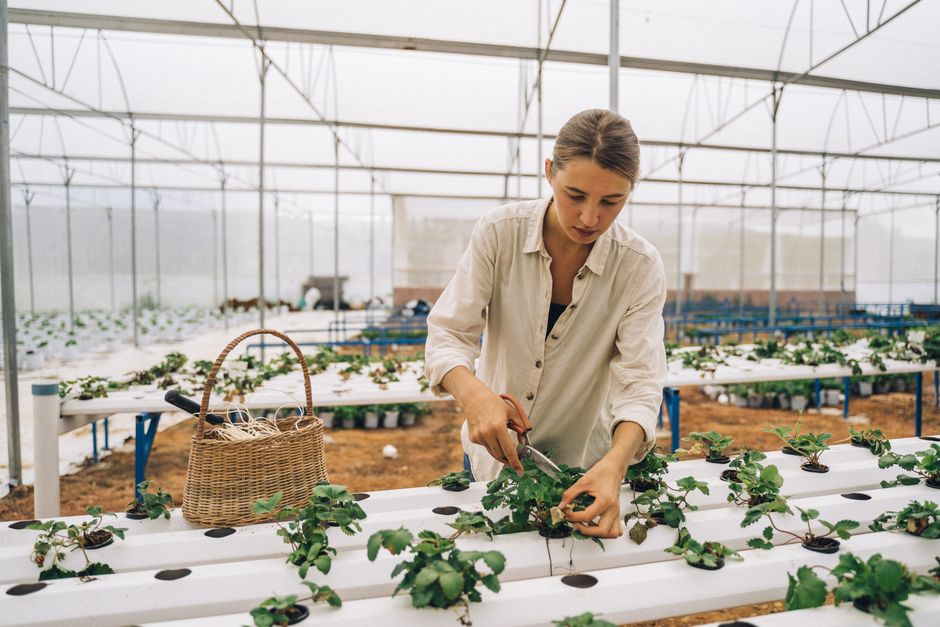
Container gardening is an exciting way for urban dwellers in Nigeria to engage with nature, cultivate fresh produce, and beautify their homes. Whether you're in bustling Lagos or the quaint streets of Ibadan, container gardening offers a practical solution for those facing space constraints or poor soil conditions. Imagine stepping out onto your balcony and plucking ripe tomatoes or fragrant herbs—it's possible with some simple tips and a bit of dedication.
In this guide, we will unravel the secrets to successful container gardening in Nigeria. We'll cover everything from selecting the right containers and soil to choosing the best plants suited for our tropical climate. Whether you're growing vegetables, herbs, or decorative plants, this guide will help you transform your living space into a green oasis.
So, grab your gardening trowel and let's dive into the world of container gardening, where even the smallest space can yield a bountiful harvest.
Choosing the Right Containers for Your Garden
Understanding Container Materials
When it comes to container gardening, selecting the right type of container is crucial. Containers come in various materials such as plastic, clay, metal, and wood. Each material has its advantages and disadvantages, affecting the health and growth of your plants.
- Plastic: Lightweight, cost-effective, and available in various sizes and colors. However, they may not be as durable in Nigeria's intense sun.
- Clay: Offers excellent breathability for roots but can be heavy and prone to cracking in extreme temperatures.
- Metal: Durable and stylish but can heat up quickly, potentially harming plant roots.
- Wood: Provides natural insulation and aesthetics but requires treatment to prevent rot.
Size and Drainage Considerations
The size of your container is just as important as the material. Larger containers provide more space for root growth, which is beneficial for most plants. Additionally, ensure your containers have adequate drainage holes to prevent waterlogging, which can lead to root rot.
"A container without drainage is like a house without windows—plants need air circulation to thrive."
Selecting the Best Soil for Container Gardening
Importance of Soil Quality
Soil quality is a critical factor in successful container gardening. Unlike traditional gardens, container plants rely entirely on the soil within their pots, making it essential to use the right mix.
In Nigeria, where the natural soil can be heavy and clayey, opting for a lighter, well-draining potting mix is advisable. Look for potting soils that contain peat moss, vermiculite, or perlite to improve aeration and moisture retention.
DIY Potting Mix Recipe
If you're keen on creating your own potting mix, here's a simple recipe to follow:
- 1 part peat moss or coco coir
- 1 part perlite or sand
- 1 part compost or well-rotted manure
This mix provides a balanced blend of nutrients, drainage, and aeration, ensuring your plants receive the best possible start.
Choosing the Right Plants for Nigerian Container Gardens
Edible Plants
For those interested in growing food, container gardening offers a variety of options that thrive in Nigerian climates. Some popular choices include:
- Tomatoes: Require sun and warmth, ideal for sunny balconies.
- Peppers: Both sweet and hot varieties do well in containers.
- Leafy Greens: Spinach and lettuce are perfect for beginners.
Ornamental Plants
If you're more inclined towards ornamental plants, consider these options:
- Snake Plant: Hardy and stylish, perfect for indoors and out.
- Begonias: Offer colorful blooms and thrive in partial shade.
- Peace Lily: A shade-loving plant that adds elegance to any space.
Watering and Maintenance Tips
Understanding Watering Needs
Watering is a crucial aspect of container gardening. Unlike in-ground gardens, containers dry out faster, especially under Nigeria's hot sun. Here are some guidelines:
- Check moisture levels daily, especially during dry spells.
- Water thoroughly until it drains from the bottom of the container.
- Avoid overhead watering to prevent fungal diseases.
Fertilizing Your Container Plants
Regular feeding is essential for container plants as nutrients deplete quickly. Use a balanced, water-soluble fertilizer every two weeks to keep your plants thriving.
"Healthy plants start with healthy practices. Regular watering and feeding can make all the difference."
Dealing with Pests and Diseases
Common Pest Issues
Container gardens are not immune to pests. Common issues in Nigeria include aphids, spider mites, and whiteflies. Regularly inspect your plants and use natural remedies like neem oil or soap sprays to keep pests at bay.
Preventing and Treating Diseases
Good sanitation and air circulation are key to preventing diseases. Avoid wetting leaves when watering, and remove any dead or diseased foliage promptly.
With these tips, you can enjoy a thriving container garden that enriches your home and provides you with fresh produce and beautiful blooms.
Conclusion
Container gardening is not just a trend; it's a practical solution for urban living in Nigeria. With the right containers, soil, plants, and care, anyone can create a flourishing garden, no matter how small their space. The joys of growing your own food or creating a vibrant floral display are within reach, bringing beauty and bounty to your home environment.
So, start small, experiment, and let your container garden reflect your personality and preferences. Happy gardening!