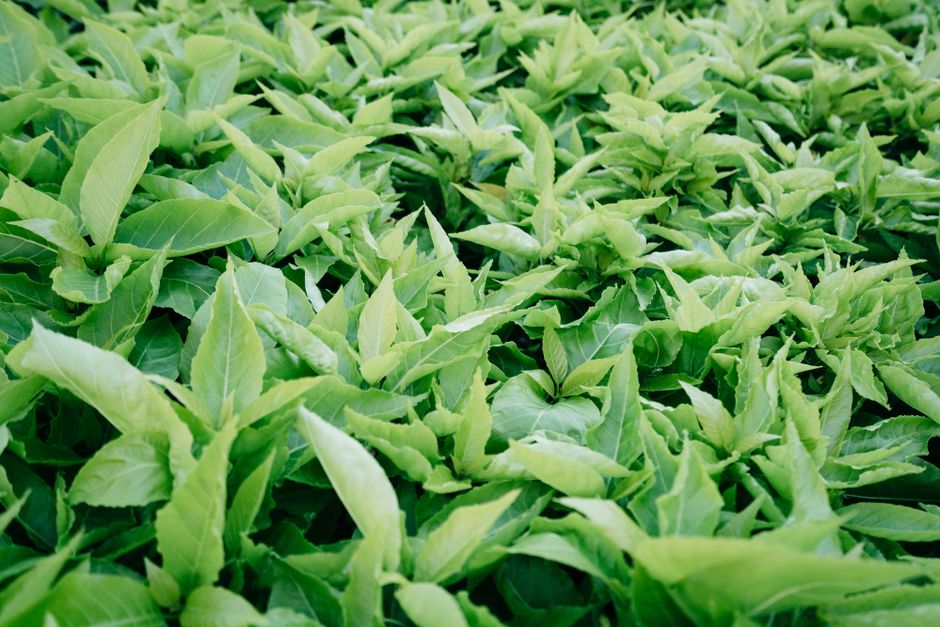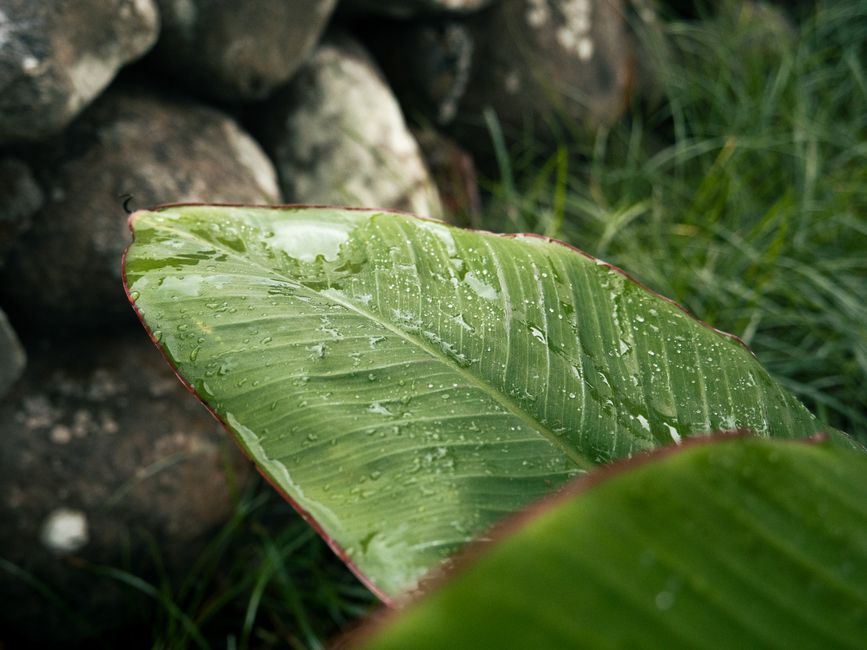
In the warm embrace of Nigeria's climate, there lies a hidden gem for garden enthusiasts: tropical plants. Vibrant, lush, and diverse in species, tropical plants offer an unparalleled opportunity to transform any Nigerian garden into a stunning oasis. Whether you're a seasoned gardener or a budding enthusiast, understanding how to cultivate these plants can elevate your garden's beauty to new heights.
One might wonder why these plants, with their exquisite textures and striking colors, are a must-have for any garden. The answer lies in their adaptability to Nigeria's humid environment, making them not only beautiful but also relatively easy to maintain. So, if you're ready to embark on your journey with tropical plants, let's dive into the essential steps to create your very own paradise.
Understanding Tropical Plants
Tropical plants are known for their ability to thrive in hot, humid environments. Common in rainforests, these plants are used to diffused light and consistent moisture, which makes them ideal for the Nigerian climate.
Characteristics of Tropical Plants
- Leaf Structure: Broad, waxy leaves that retain moisture.
- Root System: Shallow roots that absorb nutrients quickly from the topsoil.
- Flowering Habits: Often produce large, colorful blooms.
"Tropical plants bring a slice of the rainforest into your backyard, creating a vibrant and serene environment."
Popular Tropical Plants in Nigeria
Some popular tropical plants that you can easily find and grow in Nigeria include:
- Hibiscus: Known for its large, colorful flowers.
- Bird of Paradise: Offers striking orange and blue flowers that resemble a bird in flight.
- Monstera: Famous for its large, split leaves.
Creating the Perfect Environment
Soil and Nutrient Needs
For tropical plants to thrive, it's crucial to provide well-draining soil rich in organic matter. You can enhance your soil by mixing in compost or aged manure, which adds essential nutrients.
Watering and Humidity
Tropical plants require consistent moisture, but it's important not to overwater them. Ensure that the top inch of soil is dry before watering again. Maintaining humidity is key, so consider misting plants or installing a humidifier if your garden is indoors.
Light Requirements
While tropical plants love sunlight, direct sun can scorch their leaves. Place them where they can receive bright, indirect light for optimal growth.
Common Challenges and Solutions
Pests and Diseases
Pests such as aphids and spider mites can affect tropical plants. Regularly inspect your plants and use neem oil or insecticidal soap to manage infestations.
Climatic Issues
Although Nigeria's climate is favorable, erratic weather patterns can stress plants. Mulching and using shade cloth can help protect them from extreme conditions.
Incorporating Tropical Plants into Garden Design
Lush Garden Borders
Arrange tropical plants along borders to create a natural screen and add depth to your garden. Combine different textures and heights for a dynamic look.
Creating Focal Points
Use larger plants like bamboo or banana trees as focal points. Their towering presence draws attention and anchors the garden's design.
Final Thoughts
Embracing tropical plants in your Nigerian garden is more than just a hobby; it's a celebration of nature's beauty and resilience. By understanding their needs and creating the ideal environment, you can enjoy a thriving, lush garden year-round. So, pick up your gardening tools and let the tropical transformation begin!