Imagine stepping into your backyard and feeling as if you've been transported to a lush, exotic paradise. A tropical garden could be the perfect escape from the hustle and bustle of everyday life, providing a serene sanctuary filled with vibrant colors and soothing greenery. For Nigerian readers blessed with warm, humid weather, creating such a garden is not only feasible but can be highly rewarding. Whether you have a spacious yard or a modest courtyard, a tropical garden can be tailored to fit your space, offering you year-round beauty and tranquility.
Despite the inherent challenges, such as the right plant selection and maintenance, the joy of having a thriving tropical garden in Nigeria is undeniably worth the effort. You'll get to enjoy flamboyant blooms, towering palm trees, and lush ferns, all while inviting a host of wildlife to your garden. Let's dive into the essential steps for cultivating a tropical paradise right in your own home.
Understanding Nigeria's Climate for Tropical Gardening
Climate Zones and Conditions
Nigeria's climate is predominantly tropical with variations across different regions. Understanding this is crucial for selecting plants that will thrive. Coastal regions, such as Lagos and Port Harcourt, are humid and perfect for moisture-loving plants. Conversely, the northern regions are drier, necessitating more drought-resistant plant choices.
"Knowing your specific climate zone is key to selecting the right tropical plants for your garden."
Using Microclimates to Your Advantage
Even within a singular climate zone, your garden may have microclimates. These are small areas where conditions differ slightly from the broader climate, like a shaded corner behind your house or a sunny spot by a west-facing wall. Use these microclimates to your advantage by matching specific plant needs to these unique micro-environments.
Selecting Plants for Your Tropical Garden
Choosing Native vs. Exotic Plants
Integrating native and exotic plants can offer both ecological benefits and aesthetic diversity. Native plants, like the African violet and hibiscus, naturally thrive in the climate and often require less maintenance. Exotic beauties like orchids and bromeliads add a splash of intrigue and color to your garden.
- Hibiscus: Known for vivid flowers, they thrive in Nigeria's warm climate.
- Orchids: These can be a bit tricky but offer stunning floral displays.
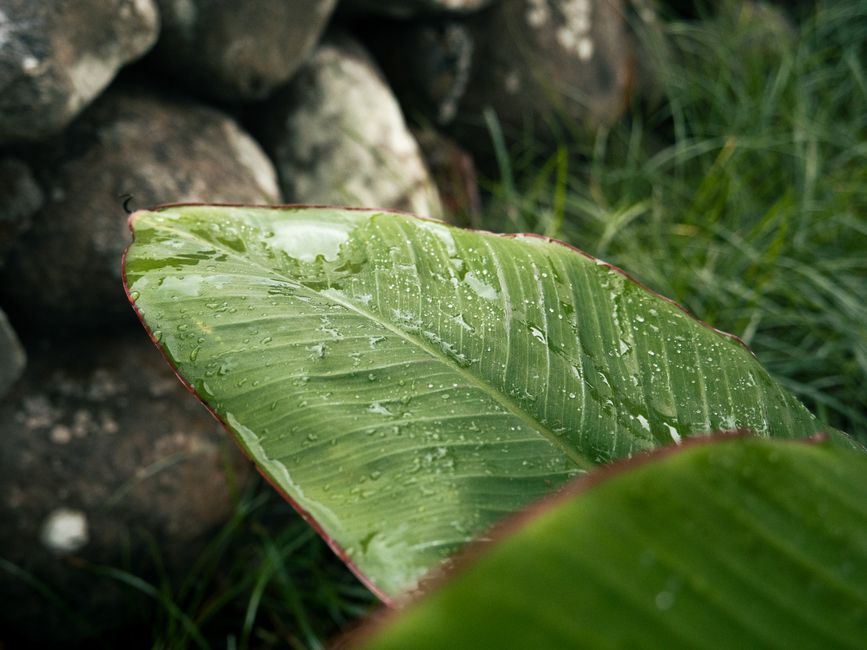
- Banana Plants: Not just for fruit, their large leaves provide a tropical feel.
Creating Layers of Vegetation
Tropical gardens are known for their layered look, mimicking a natural jungle. Start with tall trees like palm trees to form the canopy, add medium-sized shrubs and small trees for the understorey, and finish with ground covers and ornamental grasses.
"Layering plants not only creates visual interest but also offers a habitat for various wildlife."
Designing Your Tropical Garden
Emphasizing Focal Points
Choose a focal point to draw the eye, such as a striking water feature, a large sculpture, or a particularly colorful plant grouping. This helps create a cohesive look and provides a starting point for the rest of your layout.
Paths and Walkways
Curved paths and walkways guide visitors through your garden, offering different perspectives and surprises around each corner. Consider using natural materials like stone or gravel to blend seamlessly with the surrounding vegetation.
Maintaining Your Tropical Garden
Watering and Fertilization
Tropical plants generally require consistent moisture but be wary of overwatering. Drip irrigation systems are a great choice for efficient watering. Regular fertilization with organic compost can encourage robust growth and flowering.
Pest and Disease Management
A tropical garden can be susceptible to pests and diseases. Employ natural pest control methods, like introducing beneficial insects or using neem oil, to keep your garden healthy.
Final Thoughts
Creating a tropical garden in Nigeria is a fulfilling project that brings nature's wonders closer to home. By understanding your local climate, carefully selecting plants, and employing smart design strategies, you can transform your outdoor space into a vibrant oasis. Whether you're an experienced gardener or a passionate newcomer, the journey of developing your tropical garden will be as rewarding as the serene environment it ultimately provides.