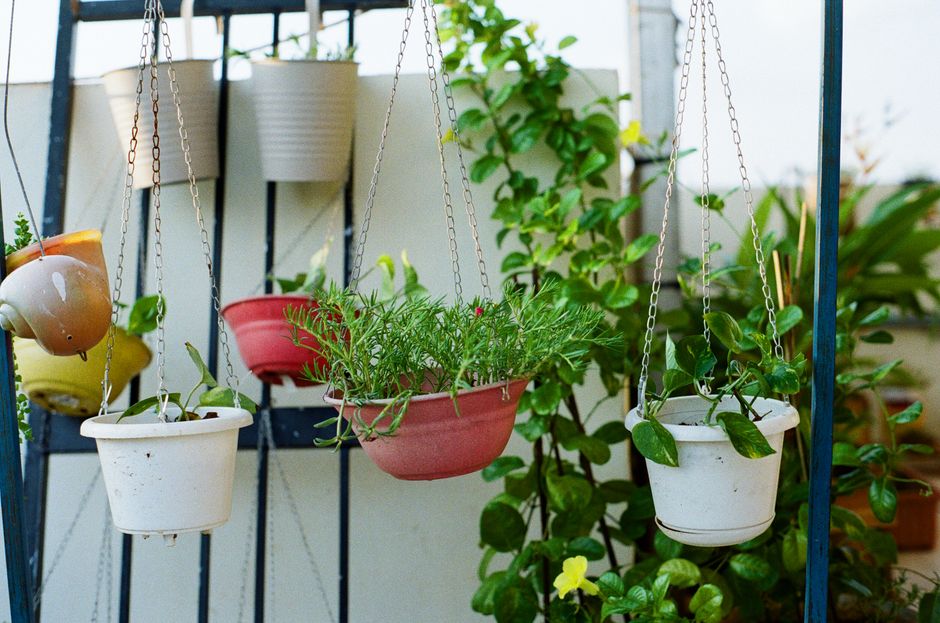
Welcome to the delightful world of container gardening, a practice that offers the perfect solution for urban dwellers in Nigeria who love nature but are limited by space. Whether you're in the bustling streets of Lagos or the serene environments of Enugu, container gardening allows you to cultivate your green space, turning your balcony or rooftop into a vibrant oasis. Not only does it provide aesthetic beauty, but it's also a practical way to grow your vegetables or decorative plants. Let's dive into the techniques that will help you succeed in this flourishing art.
Container gardening is more than just planting in pots; it's an art form that requires creativity and a little bit of knowledge. The key to success lies in understanding the climate, selecting the right plants, and maintaining them effectively. In Nigeria, with its diverse climate zones, from the humid tropics in the south to the arid north, choosing the right plants can make or break your garden. But don't worry, we've got you covered with expert tips and practical advice!
As more people are leaning towards sustainable living and growing their own food, container gardening has become increasingly popular. It doesn't matter if you're a seasoned gardener or a newbie; with a few handy tips and some dedication, you can transform any small space into a lush garden. So, whether you're dreaming of fresh tomatoes for your stews or vibrant flowers for your porch, let's explore how to make your container garden thrive in the Nigerian climate.
Choosing the Right Containers
Size and Material Matter
The first step in container gardening is selecting the appropriate containers. The size of your container will determine how well your plants grow. Small pots can restrict root growth, while larger pots offer more space and better stability. Consider the material as well—terracotta pots are breathable but can dry out quickly, while plastic pots retain moisture better, making them ideal for Nigeria's hotter regions.
"A good rule of thumb: Choose containers that are at least 12 inches in diameter for most vegetables to allow ample root growth."
Drainage is Key
No matter the container size or material, adequate drainage is essential. Ensure your pots have enough holes at the bottom to prevent waterlogging, which can lead to root rot. If you find a beautiful pot without drainage, consider adding holes or using it as a decorative cover for a more functional pot inside.
Selecting Plants for Your Container Garden
Consider Climate and Location
The diverse climate in Nigeria means you need to choose plants that can adapt well to your specific environment. In the humid south, opt for tropical plants like hibiscus or ferns, which thrive in moisture. For dryer areas, succulents and drought-tolerant herbs like rosemary do exceptionally well.
- Vegetables: Tomatoes, peppers, and spinach are excellent choices for container gardening.
- Herbs: Basil, mint, and parsley can create a fragrant and functional garden space.
- Flowers: Marigolds and zinnias add a splash of color and are relatively easy to maintain.
Companion Planting
Mixing complementary plants in the same container can boost growth and deter pests. For instance, pairing basil with tomatoes not only enhances flavor but also repels insects. Be mindful of plant needs and compatibility to ensure they thrive together.
Soil and Fertilization
Choosing the Right Soil Mix
The soil you use in container gardening should be light and well-aerated to allow for proper root expansion and moisture retention. A good mix often includes peat, vermiculite, and organic compost. Avoid using garden soil directly as it can compact and hinder drainage.
"Remember, quality soil is the foundation of a healthy container garden. Invest in a good mix to ensure your plants flourish."
Feeding Your Plants
Container plants rely heavily on fertilization as nutrients can leach out with frequent watering. Use a balanced, slow-release fertilizer to provide a steady supply of nutrients throughout the growing season. Liquid fertilizers can also be applied every few weeks for a quick nutrient boost.
Watering Strategies
Understanding Your Plant's Needs
Watering is a critical aspect of container gardening, especially in Nigeria's varying climate. The needs will differ based on plant type, container size, and weather conditions. Check the soil moisture regularly by sticking your finger about an inch deep into the soil; if it feels dry, it's time to water.
Watering Techniques
- Deep Watering: Ensure water reaches the roots by watering slowly and thoroughly.
- Morning Routine: Watering in the morning reduces evaporation and gives plants time to absorb moisture before the heat of the day.
- Self-Watering Pots: These can be especially useful for busy gardeners, ensuring consistent moisture levels.
Dealing with Pests and Diseases
Natural Pest Control
While container gardening can minimize some pests, others may still find their way to your plants. Use natural remedies like neem oil or garlic spray to deter common pests such as aphids and spider mites. Encouraging beneficial insects like ladybugs can also help keep pest populations in check.
Preventive Measures
Maintaining good hygiene in your container garden can prevent the onset of diseases. Regularly remove dead leaves and debris, and ensure proper air circulation around your plants to reduce the risk of fungal infections.
Conclusion
Container gardening in Nigeria offers a fantastic opportunity to cultivate a green sanctuary, no matter your location or space limitations. By choosing the right containers, plants, and maintaining them with care, you can enjoy the beauty and bounty of nature right at your fingertips. With patience and dedication, your container garden can provide not only aesthetic pleasure but also a source of fresh produce for your kitchen. So grab your pots and start planting today—your urban garden adventure awaits!