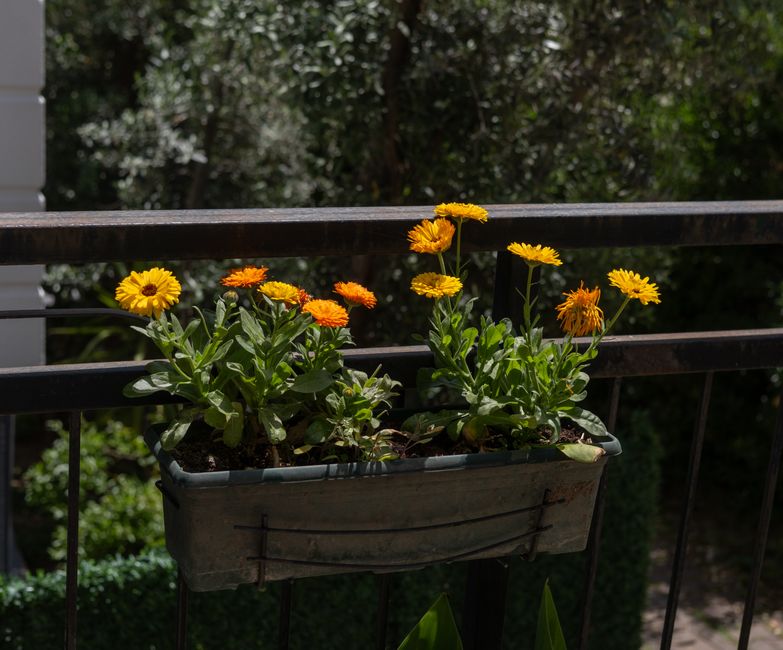
Imagine stepping into your backyard or balcony and being greeted by a burst of colors and lush greenery. In Nigeria, where urban living often means limited space, container gardening emerges as a versatile and rewarding solution. Whether you are growing fresh herbs for your kitchen or establishing a small oasis of flowers, container gardening allows you to nurture plants in confined spaces while adding a touch of nature to your home.
For many Nigerians living in bustling cities like Lagos and Abuja, the idea of a sprawling garden may seem like a distant dream. However, with the right techniques and a little creativity, container gardening can bring that dream within reach. It’s not just about saving space; it’s about crafting a personalized green retreat that thrives despite the challenges posed by urban living.
So, if you’re ready to transform your limited outdoor space into a thriving garden, read on. We’ll guide you through the essential tips and tricks to ensure your container garden in Nigeria is not just surviving but flourishing.
Choosing the Right Containers
Understanding Material Options
When it comes to container gardening, the choice of container is crucial. Common materials include clay, plastic, and metal. Each has its advantages and disadvantages:
- Clay pots: These are breathable, keeping roots cooler by allowing natural air circulation. However, they can be heavy and may crack in extreme heat.
- Plastic pots: Lightweight and affordable, plastic pots retain moisture well. They are ideal if you need to frequently move your plants.
- Metal containers: Modern and stylish, metal containers are durable but can become very hot under direct sunlight, which may harm plant roots.
Size Matters
Size is another important consideration. The container should be large enough to accommodate the plant’s root system. For instance, vegetables like tomatoes and peppers need larger pots, while herbs like basil and mint can thrive in smaller ones. Remember, a larger container will need more soil and water, but it will also provide more room for roots to grow, leading to healthier plants.
Choosing the Best Soil Mix
Importance of Potting Mix
The soil in container gardening is different from your garden soil. A good potting mix is lightweight, has good drainage, and is rich in nutrients. Look for a mix that includes peat moss, vermiculite, and perlite. This ensures that the roots get enough air and water without becoming waterlogged.
DIY Soil Mix
If you prefer to make your potting mix, combine equal parts of compost, sand, and loam soil. This DIY mix can provide the necessary nutrients and drainage for most container plants. In Nigeria, locally available compost can enrich the soil further, promoting healthy plant growth.
Watering and Fertilizing Your Plants
Smart Watering Techniques
Watering is perhaps the most critical aspect of container gardening. The amount of water needed depends on various factors such as plant type, container size, and weather conditions. In Nigeria's sunny climate, plants often require daily watering, especially during the dry season.
Tip: Water early in the morning or late in the afternoon to minimize evaporation and ensure maximum absorption.
Effective Fertilization
Regular fertilization is key to healthy plants. Use a balanced, water-soluble fertilizer every few weeks to replenish nutrients in the soil. Organic options like compost tea or fish emulsion can also be effective. Be cautious not to over-fertilize, as this can harm your plants.
Managing Pests and Diseases
Common Pests in Nigeria
Container plants are not immune to pests. Common Nigerian pests include aphids, spider mites, and caterpillars. Regularly inspect your plants for signs of infestation.
- Aphids: These small insects can be washed away with a strong spray of water or treated with neem oil.
- Spider mites: These pests thrive in dry conditions, so maintain humidity and use insecticidal soap to control them.
- Caterpillars: Hand-picking them off your plants is an effective management strategy.
Disease Prevention
Good air circulation and avoiding overhead watering can prevent most fungal diseases. Regular maintenance such as removing dead leaves and ensuring proper plant spacing can also help keep diseases at bay.
Creative Arrangement and Design
Maximizing Space with Vertical Gardening
To make the most of your limited space, consider vertical gardening techniques. Use tiered plant stands, hanging baskets, or wall planters to create layers of greenery. This not only maximizes your space but also adds visual interest to your garden.
Color and Texture Harmony
When selecting plants for your container garden, consider color and texture to create an aesthetically pleasing arrangement. Mix plants with different foliage colors and shapes for a striking effect. For instance, pair the vibrant green of ferns with the bright blooms of petunias.
Conclusion
Container gardening is a wonderful way for Nigerians to engage with nature, even in urban environments with limited space. By choosing the right containers and soil, practicing smart watering and fertilization, and managing pests effectively, you can create a thriving garden that reflects your personal style. Remember, the key is to start small, experiment, and enjoy the process of growing your green haven.