Imagine stepping into your backyard and being transported to a lush, tropical paradise. The vibrant greens, the exotic flowers, and the symphony of birds and insects all contribute to a serene escape right at home. For Nigerian gardeners, this dream can become a reality with some careful planning and the right selection of tropical plants. Whether you're starting from scratch or transforming an existing garden, creating a tropical oasis is within reach.
Tropical plants are known for their stunning foliage and vibrant blooms. They thrive in warm, humid climates, making Nigeria the perfect location for cultivating these beauties. This guide will walk you through the essential steps to establish and maintain a tropical garden that not only enhances your home's aesthetic appeal but also provides a tranquil retreat from the hustle and bustle of everyday life.
Join us as we explore everything from plant selection and soil preparation to design ideas and maintenance tips. Whether you're an experienced gardener or a beginner looking for a rewarding project, you'll find valuable insights and inspiration to create your dream tropical garden.
Choosing the Right Tropical Plants
Understanding the Climate
The first step in creating a tropical garden is understanding your local climate. Nigeria's climate varies from the humid, rainy regions in the south to the more arid areas in the north. Knowing your specific climate zone will help you select plants that will thrive in your garden.
Tropical plants generally require high humidity, consistent temperatures, and plenty of rainfall. If you live in a drier area, consider installing an irrigation system to ensure your plants receive adequate moisture.
Top Tropical Plants for Nigerian Gardens
Here are some popular tropical plants that are well-suited for Nigerian gardens:
- Hibiscus: Known for its large, colorful flowers, hibiscus is a staple in many tropical gardens.
- Bird of Paradise: This plant's striking flowers resemble a bird in flight, adding an exotic touch.
- Banana Plants: Fast-growing and lush, banana plants not only provide shade but also produce delicious fruit.
- Taro: With its broad, heart-shaped leaves, taro adds a dramatic flair to any garden.
- Heliconia: Often called "lobster claws," these plants are famous for their vibrant bracts.
When selecting plants, consider their mature size and growth habits. This will help you plan your garden layout effectively.
Preparing Your Garden
Soil Requirements
Tropical plants thrive in rich, well-draining soil. Before planting, amend your soil with organic matter such as compost or well-rotted manure. This improves drainage and provides essential nutrients to support healthy growth.
Conduct a soil test to determine the pH level. Most tropical plants prefer slightly acidic to neutral soil. If your soil is too alkaline, you may need to add sulfur or other amendments to adjust the pH.
Creating the Right Microclimate
Establishing a microclimate that mimics a tropical environment is key to success. Consider the following tips:
- Wind Protection: Use fences or plant hedges to shield your garden from strong winds.
- Shade and Sun: Some tropical plants prefer dappled sunlight, so plan for a mix of sun and shade in your garden layout.
- Humidity: Increase humidity by planting in groups and using mulch to retain moisture.
With these elements in place, your tropical plants will have the ideal conditions to flourish.
Designing Your Tropical Garden
Creating a Focal Point
A well-designed tropical garden includes a focal point that draws the eye. Consider incorporating a water feature like a pond or a waterfall. The sound of running water not only enhances the ambiance but also helps maintain the humidity levels that tropical plants love.
Layering and Textures
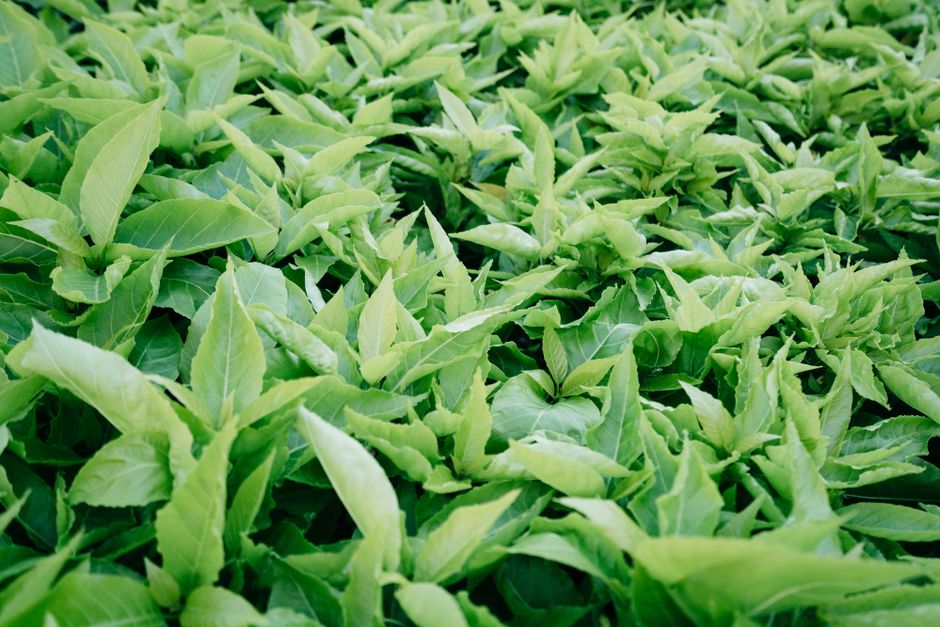
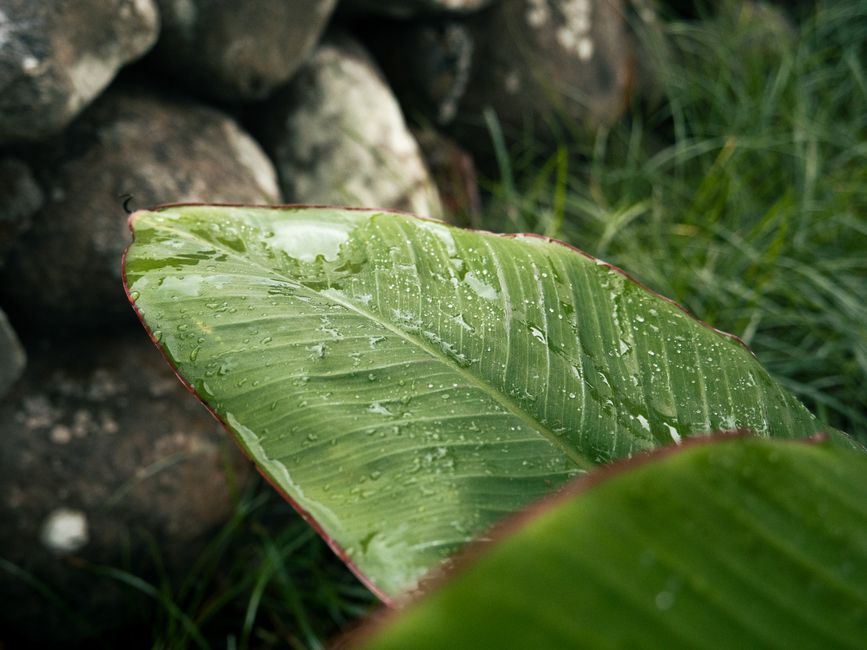
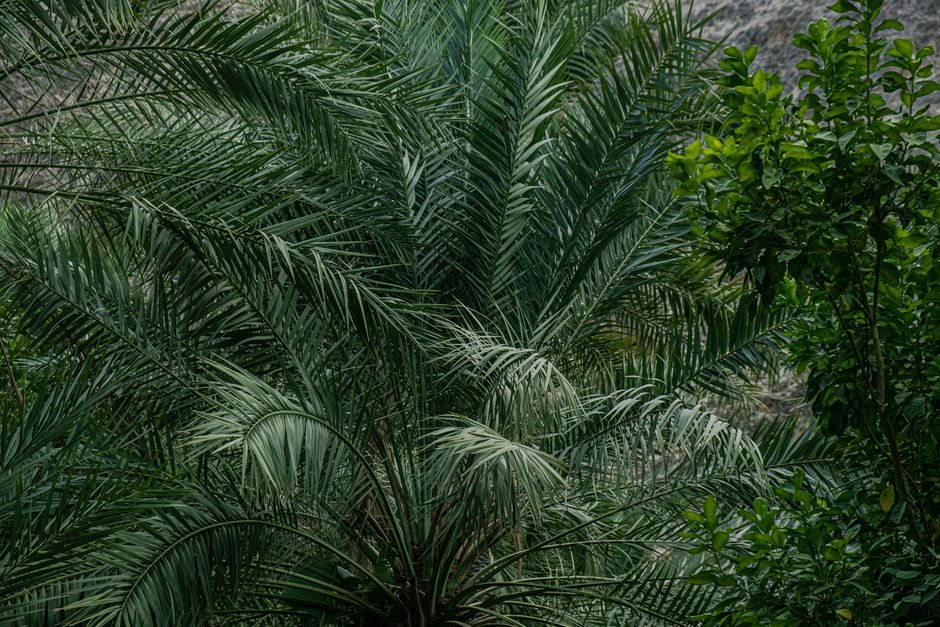
Tropical gardens are all about lushness and variety. Use layers and different textures to create depth and interest. Combine plants with large, bold leaves alongside those with delicate, feathery foliage to achieve a balanced and aesthetically pleasing composition.
You can also play with color by mixing plants with different blooms, foliage shades, and even bark textures for added visual appeal.
Maintaining Your Tropical Garden
Watering and Fertilization
Consistent watering is critical for tropical plants, especially during dry spells. Drip irrigation systems are efficient and can ensure that your plants receive the right amount of water without waste.
Fertilize your garden regularly with a balanced, slow-release fertilizer to provide the essential nutrients that promote vigorous growth and abundant blooms.
Pest and Disease Control
Tropical gardens are susceptible to pests like aphids and mealybugs. Regularly inspect your plants and use organic pest control methods, such as neem oil or insecticidal soap, to keep infestations at bay.
Good garden hygiene, such as removing dead leaves and debris, can also prevent disease spread and maintain a healthy garden environment.
"A well-maintained tropical garden not only serves as a personal sanctuary but also as a haven for local wildlife, encouraging biodiversity."
Conclusion
Creating a tropical garden in Nigeria is an exciting and rewarding endeavor. By carefully selecting plants, preparing your soil, and designing a thoughtful layout, you can transform your outdoor space into a lush paradise. With regular maintenance and a little patience, your garden will grow into a vibrant oasis, offering peace and beauty for years to come.
Remember, gardening is a journey. Enjoy the process, and don't be afraid to experiment with different plant combinations and design elements. Your tropical garden will not only enhance your home's value but also provide a sustainable and beautiful environment for all to enjoy.