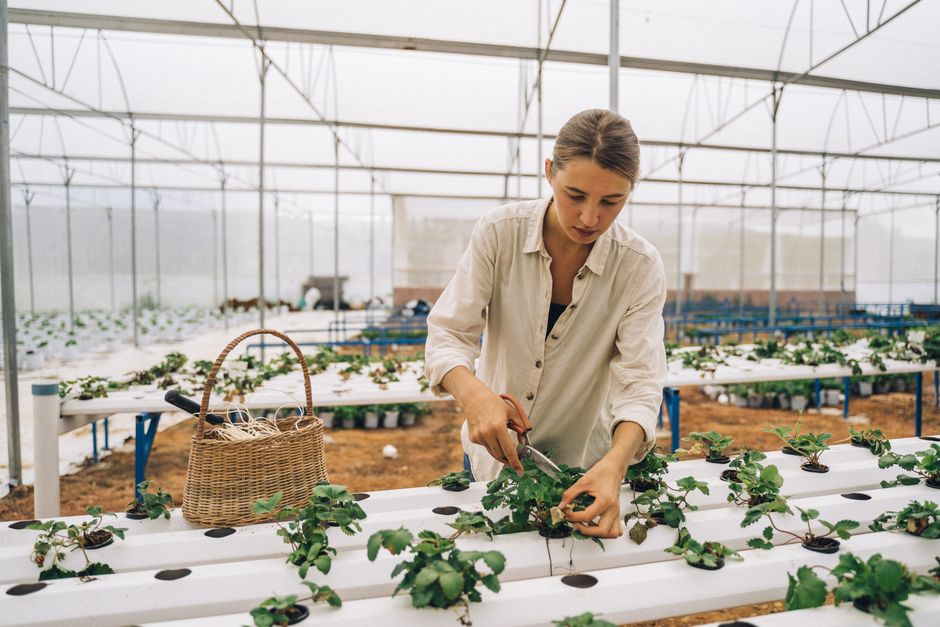
Have you ever imagined plucking fresh tomatoes right from your balcony in Lagos, or picking fragrant basil leaves to enhance your jollof rice? Container gardening offers a perfect solution for city dwellers and those with limited space, making it possible to enjoy a bounty of fresh vegetables no matter where you live. If you're a Nigerian resident with a passion for gardening, this guide will walk you through creating an efficient container vegetable garden that thrives in our unique climate.
Container gardening is the art of growing plants in pots or other containers, making it an ideal choice for urban environments or those with poor soil quality. With Nigeria's vibrant and diverse cities, having a small space does not mean you have to forego the joy of gardening. By understanding the right techniques and plant choices, you can transform your balcony or veranda into a lush, productive oasis.
This article will delve into everything from choosing the right containers and soil to selecting the best vegetable varieties for your Nigerian climate. Let's get started on creating your own thriving container vegetable garden.
Getting Started with Container Gardening
Choosing the Right Containers
The first step in container gardening is selecting the appropriate containers. The size of the container directly impacts the growth of your plants. Larger containers hold more soil, which retains moisture better and provides ample room for roots to expand.
- Plastic Pots: Lightweight and affordable, but may not breathe as well as other materials.
- Clay Pots: Porous and provide good aeration but can be heavy and may dry out quickly.
- Wooden Containers: Offer natural insulation but may deteriorate over time.
Ensure your containers have adequate drainage holes to prevent waterlogging, which can harm your plants.
Quality Potting Mix
Using the right potting mix is crucial for container gardening success. A good mix should be lightweight, well-draining, and rich in nutrients.
In Nigeria, you can create your own mix by combining equal parts of compost, peat moss or coconut coir, and perlite or sand. This will ensure your vegetables receive the nutrients they need and prevent compacted soil.
Selecting Vegetables for Your Container Garden
Best Vegetables for Nigerian Climate
Not all vegetables are suitable for container gardening or the Nigerian climate. Here are some top choices that thrive in our conditions:
- Tomatoes: A favorite in Nigerian cuisine, perfect for containers with sturdy support.
- Peppers: Both sweet and hot varieties adapt well to pots.
- Spinach: Grows quickly and doesn't require much space.
- Leafy greens: Such as lettuce and kale, are perennial favorites.
- Herbs: Basil and mint not only enhance dishes but also repel pests.
Understanding Plant Needs
Each plant has specific needs, including sunlight, water, and nutrients. Most vegetables require at least 6-8 hours of sunlight daily, so place your containers in a spot that receives ample light.
Regular watering is essential, especially during the dry season. However, be cautious of overwatering; it's a common mistake made by beginners and can lead to root rot.
"Your plants are as unique as you; understand their needs and they will flourish in your care."
Maintaining Your Container Vegetable Garden
Watering and Feeding
Consistent watering is crucial, but ensure the top inch of soil dries out between waterings to prevent soggy roots. Using a drip irrigation system can help maintain consistent moisture levels.
Feed your plants with a balanced fertilizer every few weeks. Organic options like compost tea or fish emulsion are excellent choices that enrich the soil naturally.
Pest and Disease Management
Container gardens can still fall prey to pests and diseases. Regularly inspect your plants for signs of trouble, such as yellowing leaves or insect holes.
- Aphids: Can be washed off with a strong jet of water or treated with neem oil.
- Fungal Diseases: Ensure good air circulation and avoid wetting leaves during watering.
Encourage beneficial insects like ladybugs, which naturally control pest populations.
Benefits and Challenges of Container Vegetable Gardening
Advantages
- Flexibility: Move containers to capture the best sunlight throughout the day.
- Accessibility: Perfect for those with limited mobility as it requires less bending.
- Control: Easier to manage pests and soil conditions compared to traditional gardens.
Common Challenges
- Limited Root Space: Can restrict plant growth, necessitating careful selection and care.
- Frequent Watering: Containers dry out faster and require more regular attention.
By understanding these challenges, you can mitigate them and create a thriving garden.
Conclusion
Container vegetable gardening is not just a hobby; it's a rewarding way to enhance your home environment and nutritional intake. With urban spaces constantly shrinking, growing your own vegetables in containers becomes an innovative solution. Whether you're a beginner or a seasoned gardener, Nigeria's climate offers unique opportunities to cultivate a diverse range of crops right at home. So grab a pot, fill it with rich soil, and start your gardening journey today. Your urban oasis awaits!