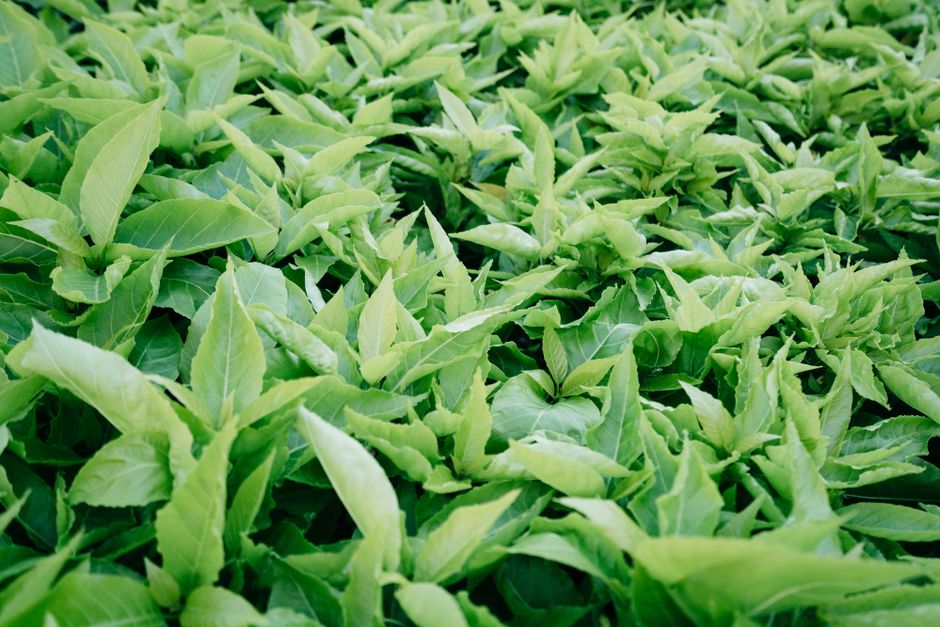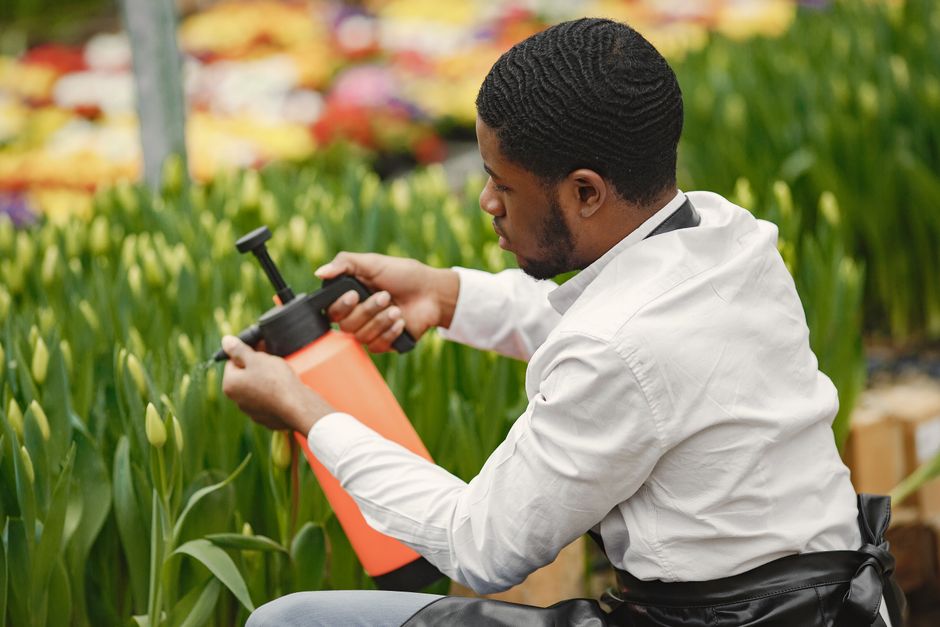
Imagine stepping outside your home to a garden brimming with vibrant greens, juicy tomatoes, and aromatic herbs. Creating a vegetable garden in Nigeria is not just a rewarding hobby, but a sustainable way to provide fresh produce for your family. Whether you're in bustling Lagos or serene Enugu, with the right guidance, you can cultivate a thriving vegetable oasis right in your backyard.
In this comprehensive guide, we'll walk you through the essential steps of establishing a vegetable garden tailored to Nigerian climates and soils. From understanding the best vegetables to grow to mastering the art of pest control, we’ve got you covered.
Choosing the Right Location
Sunlight Requirements
Most vegetables require at least 6-8 hours of sunlight daily. Choose a location in your yard that is free from obstructions like tall buildings or dense trees, ensuring your plants get the sunshine they need to thrive.
Assessing Soil Quality
Nigerian soil can vary greatly; it’s essential to test your soil’s pH and nutrient levels. Aim for a pH between 6.0 and 7.0, which is ideal for most vegetables.
- Use a basic soil testing kit to determine pH levels.
- Amend soil with organic matter such as compost or well-rotted manure to improve fertility.
Selecting the Best Vegetables for Nigerian Gardens
Climate Considerations
The tropical climate in Nigeria allows for a diverse range of vegetables. Focus on heat-tolerant varieties such as tomatoes, peppers, and okra, which thrive in warm conditions.
Popular Choices for Beginners
- Tomatoes: Easy to grow and highly productive, tomatoes are a staple.
- Ugu (Pumpkin Leaf): Rich in nutrients and adaptable to various dishes.
- Spinach: Quick-growing and versatile, perfect for Nigerian meals.
Planting and Maintenance Basics
Seed Starting Tips
Start seeds indoors in small pots or seed trays to give them a head start before the rainy season.
- Keep the soil moist but not waterlogged.
- Ensure seedlings get adequate light to prevent leggy growth.
Watering Techniques
In Nigeria's varying climates, understanding proper watering techniques is key. Use drip irrigation or soaker hoses to minimize water loss.
“Water your vegetable garden early in the morning to reduce evaporation and help prevent fungal diseases.”
Managing Pests and Diseases
Common Nigerian Garden Pests
Pests like aphids, caterpillars, and snails can wreak havoc on your garden. Regular inspection and early intervention are crucial.
Natural Pest Control Methods
- Introduce beneficial insects like ladybugs to control aphids.
- Use neem oil, a natural pesticide, to deter a variety of pests.
Harvesting and Storage
Knowing When to Harvest
Each vegetable has its own harvesting timeline. For instance, tomatoes should be picked when fully red but still firm to the touch.
Storing Your Vegetables
Proper storage can extend the life of your harvest. Keep leafy greens in a cool, damp cloth, while root vegetables do well in cool, dry places.
Conclusion
Starting your own vegetable garden in Nigeria is an enriching experience that combines nature, nutrition, and a touch of artistry. With these tips, you’re well on your way to becoming a gardening expert. Get your tools, gather your seeds, and embark on this exciting gardening journey to enjoy fresh, home-grown produce all year round.