Gardening is more than just a hobby; it's a way to connect with nature, enjoy fresh produce, and even save money on groceries. In Nigeria, with its diverse climate and rich soil, creating a vegetable garden can be both rewarding and sustainable. Whether you live in the bustling city of Lagos or the serene countryside of Jos, growing your own vegetables is a fulfilling endeavor that benefits you and the environment.
Starting a vegetable garden in Nigeria doesn't require a large space or an extensive budget. With some basic knowledge and a little effort, you can transform any patch of land into a productive garden. The key is to understand the local climate, select the right crops, and implement effective gardening techniques. In this guide, we'll explore how to create a vibrant vegetable garden that thrives in Nigerian conditions.
Understanding Nigeria's Climate and Soil
The Impact of Climate on Gardening
Nigeria's climate is varied, with tropical, arid, and temperate zones. This diversity influences which vegetables you can grow successfully. For example, the tropical regions of the South are ideal for crops like tomatoes, peppers, and okra, while the drier North favors onions and garlic.
Types of Soil in Nigeria
Rich, loamy soil is a gardener's dream, but not all Nigerian soils meet this ideal. It's essential to test your soil and amend it with organic matter to improve its fertility and drainage. Composting is a great way to enrich your garden soil naturally.
Choosing the Right Vegetables
Best Crops for Nigerian Gardens
- Tomatoes: A staple in many Nigerian dishes, tomatoes thrive in warm climates.
- Peppers: Both sweet and hot varieties grow well in the southern regions.
- Spinach: This leafy green is nutritious and easy to grow.
- Cowpeas: Also known as black-eyed peas, they are drought-resistant and versatile.
Companion Planting
Companion planting involves growing certain plants together for mutual benefits. For example, planting basil with tomatoes can enhance flavor and repel pests.
Preparing Your Garden Site
Assessing Sunlight and Space
Most vegetables require at least six hours of sunlight daily. Choose a sunny spot and plan your garden layout, considering plant sizes and spacing needs.
Building Raised Beds
In areas with poor soil, raised beds can offer better drainage and easier soil management. They're particularly beneficial in urban areas where ground space is limited.
Effective Watering Techniques
Watering Schedule and Methods
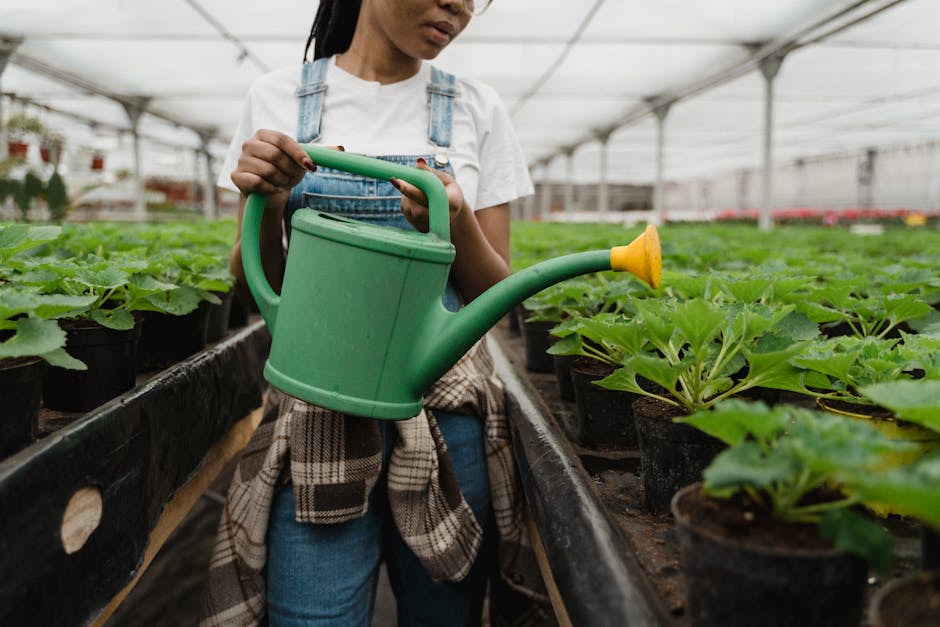
Consistent watering is crucial for a healthy garden. Drip irrigation systems can save water and ensure even distribution, especially during dry seasons.
Tip: Water early in the morning or late in the afternoon to minimize evaporation and ensure plants absorb maximum moisture.
Pest Management and Organic Solutions
Identifying Common Pests
Common pests like aphids, caterpillars, and snails can devastate a garden. Early detection and intervention are key.
Natural Pest Control Methods
- Neem Oil: An effective natural pesticide.
- Garlic Spray: Repels a variety of insects.
- Marigolds: Planting these flowers can deter nematodes and other pests.
Harvesting and Enjoying Your Produce
Knowing When to Harvest
Each vegetable has its own harvest time. Regularly check for ripeness to enjoy the freshest produce possible.
Preservation Techniques
Excess produce can be preserved through canning, drying, or freezing, ensuring you enjoy your garden's bounty year-round.
Conclusion
Creating a vibrant vegetable garden in Nigeria is an achievable goal that brings numerous benefits, from fresh produce to environmental sustainability. By understanding local conditions, selecting appropriate crops, and utilizing effective gardening techniques, you can cultivate a flourishing garden that enriches your home and lifestyle.