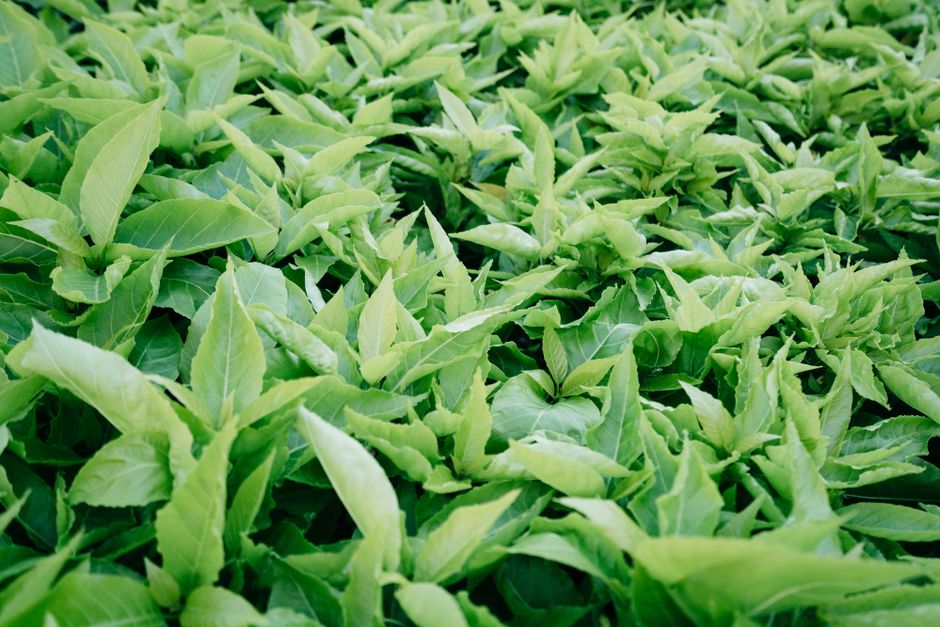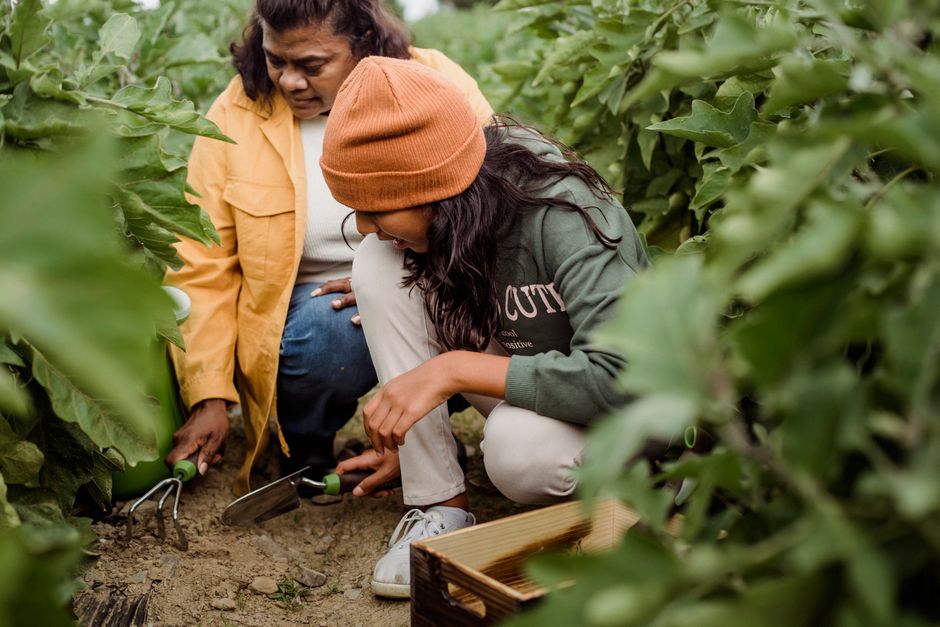
Creating a vegetable garden in Nigeria offers not only a source of fresh produce but also a sustainable way to support your family and community. With the right knowledge and a bit of effort, you can transform any space into a lush garden teeming with nutritious vegetables. Whether you're a beginner or an experienced gardener, this guide will walk you through the essential steps to designing the perfect vegetable garden that suits the unique climatic conditions of Nigeria.
From understanding the importance of soil quality to selecting the right plants for your region, we'll cover all the bases. The goal is to help you navigate through the complexities of garden design and provide practical tips that can be applied right in your backyard. Let's dig in!
Understanding Your Climate and Location
Identifying Your Zone
Nigeria's diverse climate zones mean that certain vegetables thrive in specific areas. Understanding your local climate is crucial for selecting the right plants.
- Southern Nigeria: Known for its tropical climate with heavy rainfall. Ideal for crops like okra, tomatoes, and leafy greens.
- Northern Nigeria: Semi-arid with less rainfall. Suitable for drought-resistant plants such as peppers and millet.
Assessing Soil Quality
Soil quality is the backbone of a successful vegetable garden. Conduct a soil test to determine pH levels and nutrient content. Most vegetables prefer neutral to slightly acidic soil.
Expert Tip: "A well-balanced soil can make all the difference in your garden's yield. Aim for soil rich in organic matter."
Designing Your Garden Layout
Choosing a Garden Style
Decide whether you want a traditional row garden, raised beds, or container gardening. Each style has its benefits and challenges.
Consideration of Space and Sunlight
Ensure your garden receives at least 6-8 hours of sunlight daily. Plan your layout to optimize space, especially in urban areas where land is limited.
Selecting the Right Vegetables
Popular Vegetables to Grow
- Tomatoes: High-yield and versatile, suitable for most climates in Nigeria.
- Peppers: Easy to grow and a staple in many Nigerian dishes.
- Spinach: Fast-growing and packed with nutrients.
Companion Planting
Maximize your garden's productivity by planting compatible vegetables that benefit each other.
Key Point: "Companion planting can deter pests and enhance growth, leading to a healthier garden."
Implementing Sustainable Practices
Water Conservation Techniques
Utilize rainwater harvesting and drip irrigation to conserve water, especially in regions with limited rainfall.
Organic Pest Management
Adopt natural pest control methods, such as using neem oil or introducing beneficial insects to maintain a healthy garden ecosystem.
Maintaining Your Garden
Regular Monitoring and Care
Commit to regular care of your garden by weeding, watering, and monitoring plant health.
- Weekly checks for pests and diseases.
- Consistent watering schedule to prevent stress on plants.
Harvesting and Storage
Harvest vegetables at their peak ripeness for the best flavor and nutritional value. Proper storage extends the shelf life of your produce.
Conclusion
Designing a vegetable garden in Nigeria is an enriching endeavor that pays dividends in freshness, flavor, and sustainability. By understanding your environment and carefully planning your garden, you can enjoy a bountiful harvest. Embrace the journey of learning and experimentation, and soon, your garden will be a source of pride and nourishment for your family.