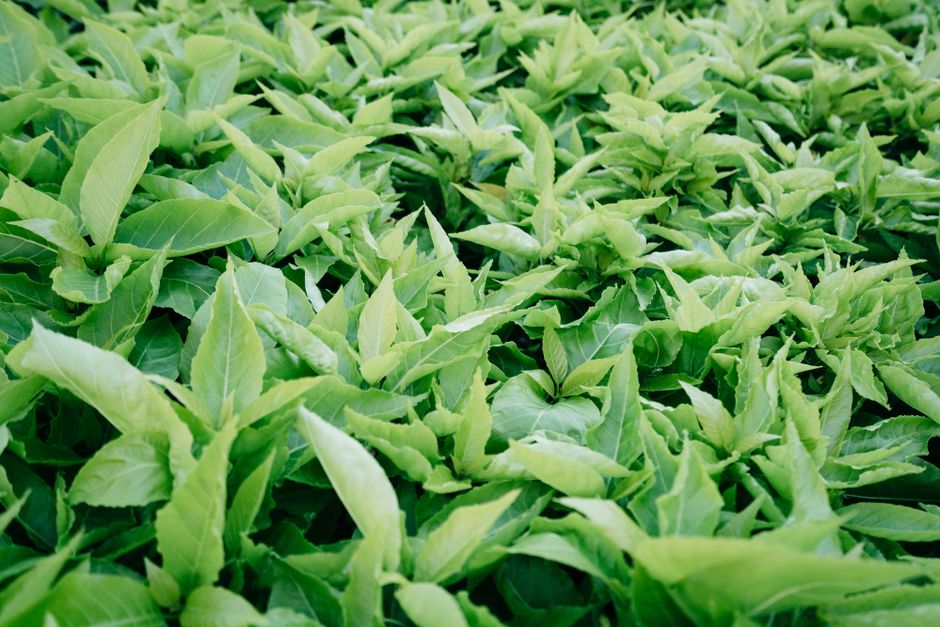
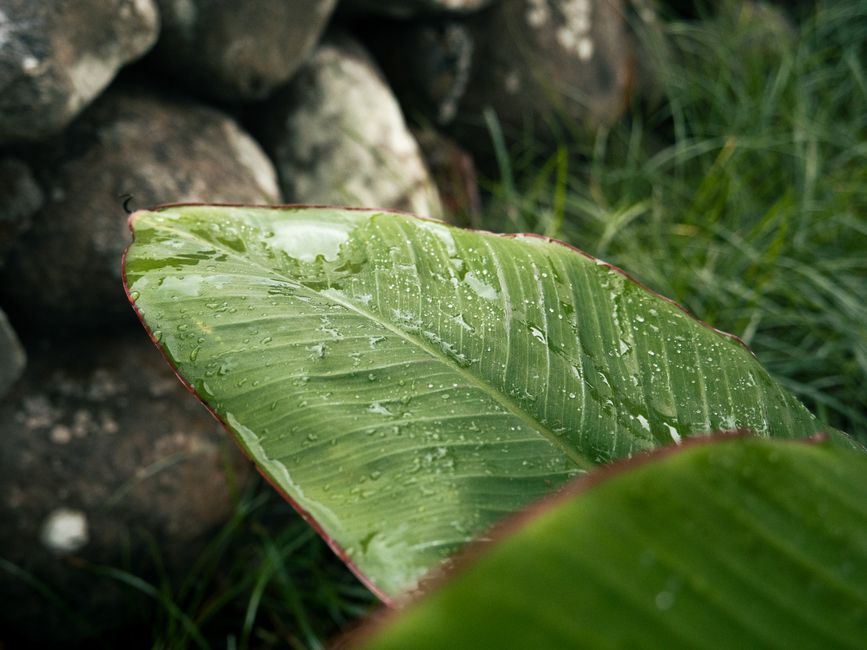
Container gardening is a fantastic solution for urban dwellers in Nigeria who wish to embrace their green thumb without the luxury of a spacious backyard. This gardening method allows you to cultivate a variety of plants using pots, tubs, and other containers, making it an ideal choice for apartment balconies or compact patios.
Whether you're a seasoned gardener or a newbie looking to try your hand at growing your own plants, container gardening offers a world of opportunities. In this guide, we'll explore the essentials of container gardening and offer practical tips to help you create a thriving miniature garden.
Benefits of Container Gardening
Before diving into the specifics, it’s essential to understand why container gardening is an excellent choice, especially in urban Nigerian settings.
Space Efficiency
One of the primary benefits of container gardening is that it allows you to utilize limited space efficiently. You can place containers on balconies, patios, or even windowsills.
Flexibility
Containers give you the flexibility to move plants around based on sunlight needs or as you reorganize your outdoor space. This mobility can be especially beneficial during Nigeria’s rainy season.
Pest and Disease Control
Growing plants in containers makes it easier to manage pests and diseases. You can isolate affected plants and apply targeted treatments without affecting your entire garden.
Choosing the Right Containers
The type of container you choose is crucial for the success of your garden. Here’s what to consider:
Material
- Plastic: Lightweight and affordable, plastic containers are great for beginners. However, they may not be as durable under intense sun.
- Clay: While aesthetically pleasing and breathable for roots, clay pots can be heavy and prone to cracking.
- Metal: Offers a modern look but can heat up quickly, potentially harming the plant roots.
Size
The size of the container should match the mature size of the plant. Opt for deeper pots for root vegetables and shallower ones for herbs.
Soil and Fertilization
Using the right soil mix is pivotal in container gardening. Regular garden soil is often too dense for containers.
Soil Mix
Opt for a high-quality potting mix that offers good drainage and aeration. You can enhance this by adding perlite or compost.
Fertilization
Container plants rely on you for nutrients, as they can’t draw them from the soil like ground plants. Use a balanced liquid fertilizer every two weeks to keep them nourished.
Watering Techniques
Watering is perhaps the most critical aspect of container gardening. Here’s how to get it right:
Consistent Watering
Container plants dry out more quickly than those in the ground. Ensure consistent moisture by checking the soil daily, especially during hot spells.
Drainage
Ensure your containers have drainage holes. Without these, water can pool at the bottom, leading to root rot.
Pro Tip: Use a drip irrigation system for consistent watering without the hassle.
Ideal Plants for Container Gardening
Choosing the right plants is essential for a thriving container garden. Consider these options:
Herbs
- Basil
- Mint
- Thyme
Herbs are perfect for containers and can be easily snipped for culinary use.
Vegetables
- Tomatoes
- Peppers
- Spinach
These vegetables are well-suited for Nigerian climates and can flourish in pots.
Final Thoughts
Container gardening offers a practical and rewarding way to cultivate plants, even in limited spaces. With the right knowledge and techniques, you can enjoy fresh herbs, vegetables, and ornamental plants right from your balcony or patio. Embrace this gardening approach, and watch as your small space transforms into a lush oasis.