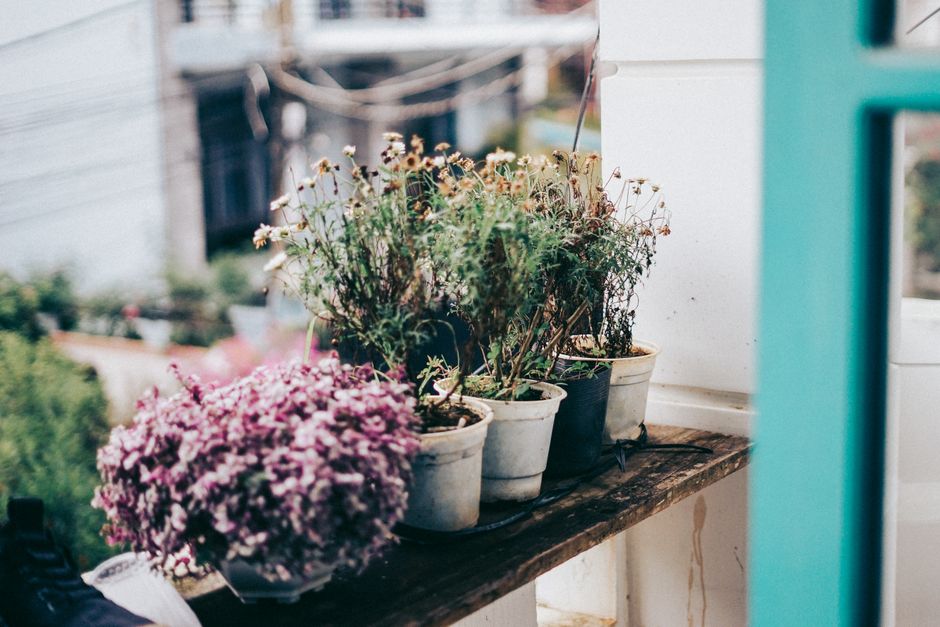
Container gardening is the perfect solution for urban dwellers in Nigeria looking to add a splash of green to their living spaces. Whether you live in Lagos, Abuja, or anywhere else in this vibrant country, container gardens can transform even the smallest balcony into a lush oasis. The beauty of container gardening lies in its flexibility and the ability to tailor the environment to suit your specific plant needs.
For many Nigerians, space can be a constraint, but with container gardening, you have the freedom to create a thriving garden without the need for expansive land. This practice involves growing plants in various containers such as pots, tubs, and hanging baskets. It’s an ideal way to make use of that sunny balcony or a small backyard space. With thoughtful planning and some creativity, you can enjoy a bountiful garden year-round.
In this comprehensive guide, we'll delve into the world of container gardening, exploring essential tips and tricks to help you succeed, even if you're working with limited space or resources. From choosing the right containers to selecting the perfect plants, we've got you covered.
Choosing the Right Containers
The first step in container gardening is selecting the right type of containers for your plants. The choices are nearly endless, ranging from traditional clay pots to modern, self-watering planters. Each type of container has unique characteristics that can benefit different plants.
Types of Containers
- Clay Pots: These are classic and provide excellent drainage due to their porous nature, making them ideal for succulents and cacti.
- Plastic Pots: Lightweight and affordable, plastic pots retain moisture well, perfect for water-loving plants.
- Metal Planters: These add a modern touch but can heat up quickly under the sun, so they're best suited for shady spots.
- Hanging Baskets: Great for trailing plants, they maximize vertical space, perfect for small balconies.
When selecting containers, consider the plant's root growth, your balcony space, and the aesthetic you want to achieve. Ensure the pots have drainage holes to prevent waterlogging, which can lead to root rot.
Understanding Soil and Fertilizers
Soil quality is crucial in container gardening. Unlike traditional gardens, where plants can send roots deep into the ground to find nutrients, container plants rely on the soil provided in their pots.
Best Soil Mixes
- Potting Mix: A good potting mix for container gardening should be light, well-draining, and rich in organic matter.
- DIY Mix: Combine garden soil, perlite, and peat moss for an affordable, effective mix.
Fertilization is also key, as nutrients in containers can be quickly depleted. Consider using a slow-release fertilizer for continuous nourishment or liquid fertilizers for quick boosts during the growing season.
"The right soil and fertilizer combination can significantly impact the health and yield of your container plants."
Selecting the Perfect Plants
Choosing the right plants is essential for a successful container garden. In Nigeria, where the climate is warm and humid, there are many plant options that can thrive.
Best Plants for Nigerian Container Gardens
- Herbs: Basil, mint, and lemongrass are easy to grow in pots and add fresh flavors to your meals.
- Vegetables: Tomatoes, peppers, and okra can thrive in containers with proper care.
- Flowers: Marigolds and zinnias bring color to your space and attract pollinators.
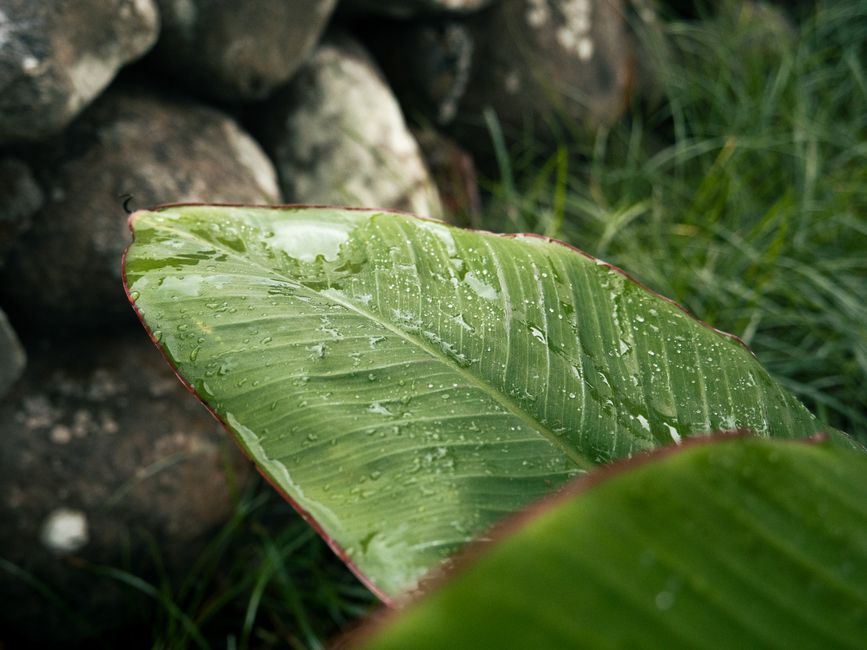
- Tropical Plants: Birds of paradise and snake plants can add an exotic touch.
Consider the amount of sunlight your space receives when choosing plants. Some plants thrive in full sun, while others prefer partial shade.
Watering and Maintenance Tips
Maintaining a container garden requires regular attention, especially when it comes to watering. Plants in containers tend to dry out faster than those in the ground.
Watering Best Practices
- Consistency: Water your plants consistently, ideally in the morning, to ensure even moisture throughout the day.
- Drainage: Ensure pots have adequate drainage to prevent waterlogging.
- Mulching: Use mulch to retain moisture and reduce evaporation.
Regularly check your plants for signs of pests or disease. Early intervention can prevent widespread issues from developing.
Designing Your Container Garden
Creating an aesthetically pleasing container garden involves more than just planting. Thoughtful design can make your space feel inviting and vibrant.
Design Tips
- Grouping: Group similar plants together for a cohesive look.
- Height Variation: Use plants of varying heights to create visual interest.
- Color Coordination: Choose plants with complementary colors for a harmonious design.
"A well-designed container garden can be both a functional and beautiful extension of your home."
Conclusion
Container gardening offers endless possibilities for Nigerians looking to enhance their living space with greenery. Whether you're growing herbs, vegetables, or ornamental plants, the key is to start with the right containers, soil, and plants suited for your environment. With these tips and a bit of dedication, you can cultivate a lush and rewarding container garden, no matter how small your space.
Remember, gardening is a journey of experimentation and learning, so don't be afraid to try new plants and techniques as you grow your personal oasis.