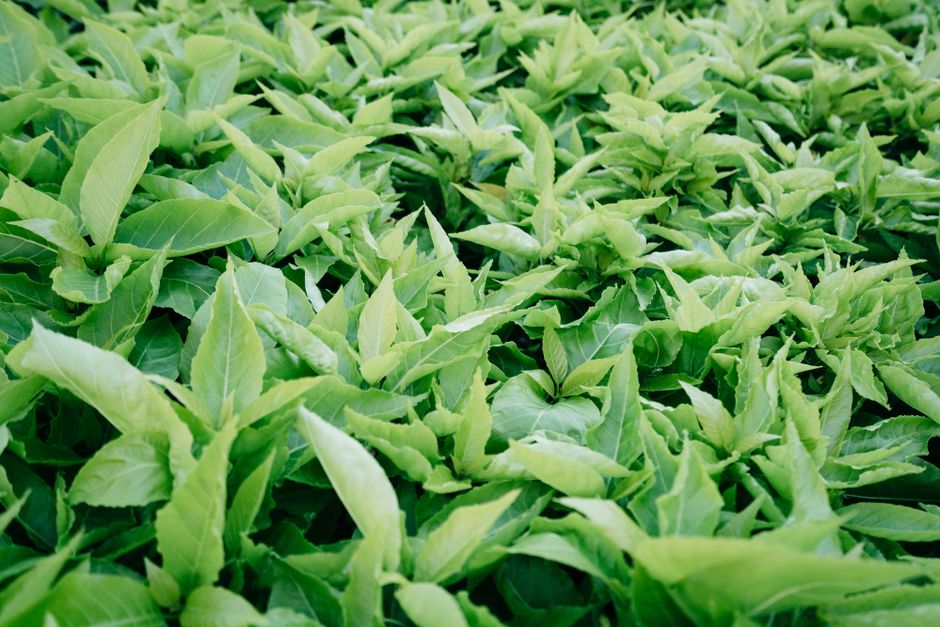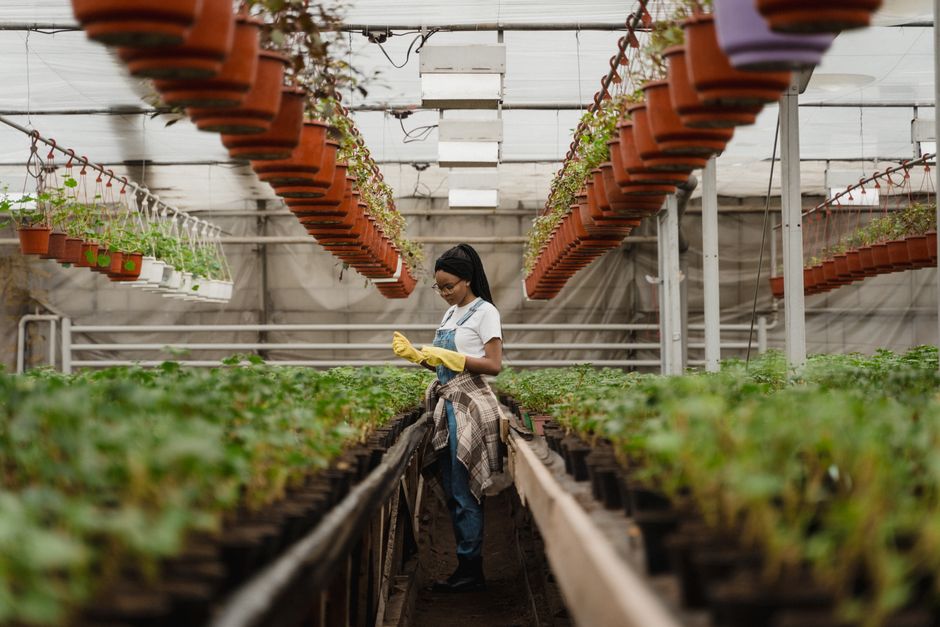
In the bustling cities of Nigeria, where space is often a luxury, container gardening has emerged as a practical solution for urban dwellers craving a touch of nature. Imagine transforming your balcony, veranda, or even the corner of your living room into a thriving garden. With container gardening, you don't need a sprawling backyard to enjoy the delights of nurturing plants. This method offers flexibility, creativity, and the satisfaction of watching your plants flourish in limited spaces.
Container gardening is perfect for those who are passionate about greenery but are constrained by space. It's a technique where plants are grown in pots or other containers instead of directly in the ground. This method is ideal for urban homes where garden space is limited or unavailable. Whether you live in Lagos, Abuja, or any other city, container gardening allows you to bring nature into your living space. Let's delve into the essentials of container gardening and how you can master this art to create your urban oasis.
Choosing the Right Containers
Materials Matter
When selecting containers, the material is crucial. Common options include clay, plastic, and metal. Each has its pros and cons. Clay pots, for instance, are porous and allow air and moisture to penetrate, which is beneficial for plant roots. However, they can be heavy and break easily. Plastic pots are lightweight and retain moisture well, making them ideal for Nigerian climates, but they may not be as durable under harsh sun.
Size and Drainage
The size of your container will depend on the type of plant you want to grow. Larger plants require bigger pots to accommodate their root systems. Additionally, ensure your containers have adequate drainage holes to prevent waterlogging, which can be detrimental to plant health.
- Clay pots: porous, good for aeration
- Plastic pots: lightweight, moisture-retentive
- Metal pots: durable but can overheat
Selecting Suitable Plants
Consider Your Climate
Nigeria's climate varies from region to region, so it's essential to choose plants that thrive in your specific conditions. Tropical plants like ferns and palm varieties are excellent choices for the warmer southern regions, while succulents and cacti are more suitable for the drier northern areas.
Edible vs. Ornamental
Decide if you want to grow edible plants, such as herbs and vegetables, or ornamental ones like flowers and foliage. Herbs like basil, mint, and thyme are easy to grow in containers and can enhance your culinary creations. On the other hand, vibrant flowers like marigolds and petunias can add a splash of color to your space.
- Basil, mint, thyme: easy to grow herbs
- Fern, palm: suitable for tropical climates
- Marigold, petunia: vibrant flowering plants
Caring for Your Container Garden
Watering Techniques
Watering is a critical aspect of container gardening. Containers tend to dry out faster than garden beds, so regular watering is necessary. However, be cautious not to overwater. A good rule of thumb is to check the soil's moisture level by sticking your finger about an inch deep; if it feels dry, it's time to water.
Soil and Fertilization
Use a high-quality potting mix for your containers, as this provides the necessary nutrients and retains moisture. Regular fertilization is also crucial. Use a balanced liquid fertilizer bi-weekly to ensure your plants receive essential nutrients.
"The key to a thriving container garden lies in consistent care and attention to detail." — Gardening Expert.
Dealing with Pests and Diseases
Preventive Measures
Prevention is better than cure when it comes to pests and diseases. Regularly inspect your plants for signs of infestation or disease. Encouraging beneficial insects like ladybugs can naturally keep pest populations in check. Additionally, using neem oil or other natural insecticides can help tackle issues without harming your plants.
Common Problems and Solutions
Common pests in Nigerian container gardens include aphids, spider mites, and whiteflies. For diseases, watch out for root rot, which is often caused by overwatering. Address these problems promptly to prevent them from spreading.
- Aphids, spider mites: common pests
- Neem oil: effective natural insecticide
- Root rot: prevent by avoiding overwatering
Designing Your Container Garden
Creating a Visual Appeal
Container gardening offers the opportunity to play with design and aesthetics. Mix and match different plant heights, colors, and textures to create an appealing display. Consider using vertical space with hanging pots or tiered stands to maximize your garden's potential.
Seasonal Considerations
Plan your container garden to reflect the seasons. During the rainy season, opt for plants that thrive in moist conditions, while the dry season calls for drought-resistant varieties. This approach ensures your garden remains vibrant year-round.
"A well-planned container garden is a testament to creativity and an eye for detail." — Urban Gardening Specialist.
Conclusion
Container gardening is a rewarding endeavor that brings the joy of gardening into urban homes across Nigeria. By choosing the right containers, selecting suitable plants, and providing consistent care, you can transform small spaces into lush, green havens. Whether you're a seasoned gardener or a beginner, the flexibility and creativity of container gardening offer endless possibilities to explore and enjoy. So, grab a pot, some soil, and your favorite plants, and start your container gardening journey today!