Are you living in Nigeria and eager to start gardening but limited by space? Container gardening could be your perfect solution. It's an ideal way to grow plants in small spaces like balconies, patios, or even indoors. Plus, it's a flexible method that allows you to move your plants around to maximize sunlight or shelter them from harsh weather. In this article, we'll explore everything you need to know to kickstart your container gardening journey right here in Nigeria, where the climate offers unique opportunities and challenges.
Container gardening is gaining popularity in urban areas where space is a premium. Whether you're in Lagos or Abuja, a container garden can bring lush greenery and fresh produce to your home. The best part? You don't need to be an expert to get started. With the right containers, soil, and plant choice, you can create a thriving garden oasis. Let's dive into how you can make the most of your Nigerian environment using container gardening.
Before we delve into the specifics, it's essential to understand the primary keyword: container gardening. Essentially, it involves growing plants in containers instead of the ground, providing flexibility and adaptability. Your choice of containers, plant selection, and care routines will determine your garden's success. So, buckle up as we guide you through the essentials of container gardening, tailored specifically for Nigerian conditions.
Choosing the Right Containers
Materials and Size
When it comes to selecting containers, the material is crucial. In Nigeria, where temperatures can soar, it's important to choose containers that can withstand the heat while providing adequate drainage. Common materials include plastic, ceramic, and clay. Plastic containers are lightweight and affordable, making them an excellent choice for beginners. However, they can heat up quickly, so ensure they are placed in areas with partial shade.
On the other hand, clay pots are porous and allow for better air circulation, which can be beneficial in humid conditions. However, they are heavier and can be more expensive. Consider the size of your container as well. Larger containers hold more soil and moisture, reducing the frequency of watering, crucial for the warm Nigerian climate.
Drainage Considerations
Proper drainage is vital for healthy plants. Ensure your containers have adequate drainage holes to prevent waterlogging, which can lead to root rot. If your chosen container lacks holes, you can drill them yourself. Additionally, placing a layer of stones at the bottom can improve drainage.
Selecting Suitable Plants
Climate-Adapted Choices
Choosing plants that are well-suited to the Nigerian climate can make your gardening experience more rewarding. Consider native and tropical plants that thrive in warm temperatures and can handle occasional dry spells. Some excellent choices include tomatoes, peppers, and herbs like basil and mint, which grow well in containers and can be used in Nigerian cuisine.
Edible Options
If you're interested in growing your own food, consider vegetables like spinach, okra, and cucumbers. These plants are not only easy to grow in containers but also provide a fresh supply of ingredients for your meals.
Creating the Perfect Soil Mix
Components of Good Soil
A well-balanced soil mix is key to the success of your container garden. You need a soil mix that retains moisture yet drains well. A typical mix includes garden soil, compost, and sand. The compost enriches the soil with nutrients, while the sand improves drainage.
Consider adding coconut coir or peat moss to your mix, which helps retain moisture without making the soil too heavy. This is particularly useful during the dry season, ensuring your plants have consistent access to water.
Fertilization Tips
Container plants rely heavily on the nutrients available in their limited soil. Regular fertilization is essential to replenish these nutrients. Use a balanced, slow-release fertilizer every few weeks to ensure your plants receive a steady supply of nutrients. Liquid fertilizers can also be used for a quick nutrient boost.
Watering and Maintenance
Establishing a Watering Routine
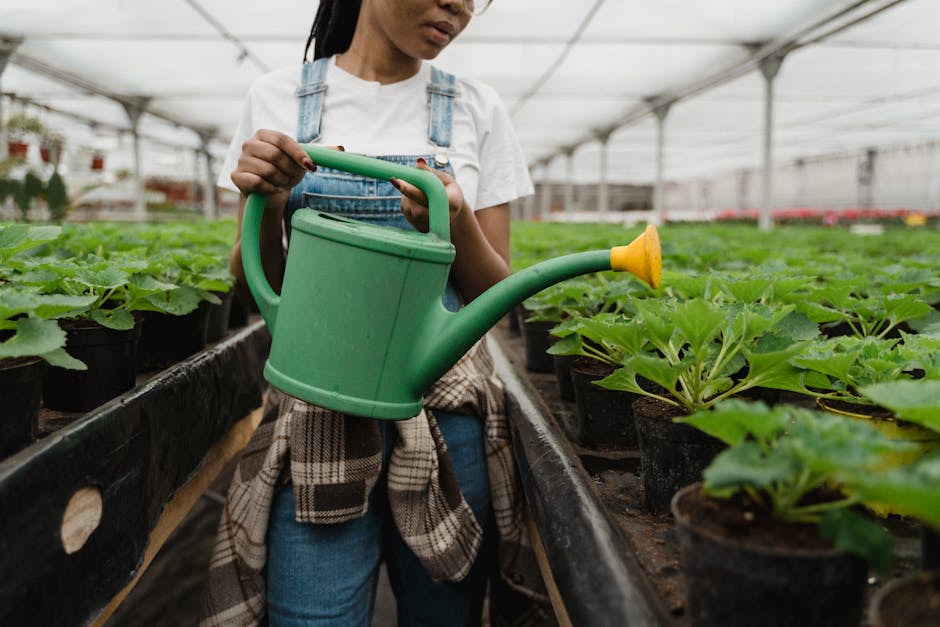
Watering is a critical aspect of container gardening, especially in Nigeria's warm climate. Containers tend to dry out faster than the ground, so regular watering is necessary. Establish a routine, ideally early in the morning or late in the evening, to avoid evaporation. Check the moisture level by sticking your finger an inch into the soil; if it feels dry, it's time to water.
Pest and Disease Control
Pests can be a challenge, but there are eco-friendly ways to manage them. Regularly inspect your plants for signs of pests and diseases. Neem oil and mild soap solutions are effective natural remedies for common pests like aphids and mites.
"The key to a successful container garden is consistent care and attention. Monitor your plants regularly for changes in growth, color, or any signs of distress."
Maximizing Your Space
Vertical Gardening Techniques
Space may be limited, but with vertical gardening techniques, you can maximize it. Use shelves, trellises, and plant hangers to grow more plants upward. This method is particularly useful for vining plants like tomatoes and cucumbers.
Creative Arrangements
Arrange your containers creatively to make the most of your available space. Group plants with similar water and light requirements together for ease of care. Mixing decorative and edible plants can also create a visually appealing and functional garden.
Conclusion
Container gardening in Nigeria is not only a feasible option but also a rewarding one. With the right choice of containers, plants, soil, and care routines, you can transform any small space into a thriving garden. Remember to choose climate-adapted plants, establish a watering routine, and stay vigilant against pests. With these tips, you're well on your way to enjoying the benefits of container gardening, whether you're growing fresh produce or simply adding greenery to your home. Happy gardening!