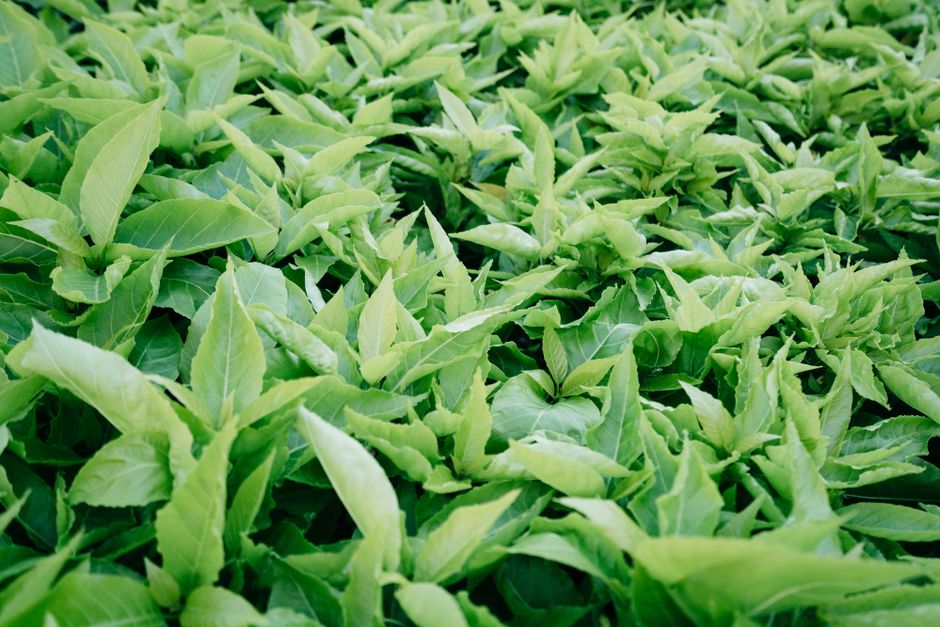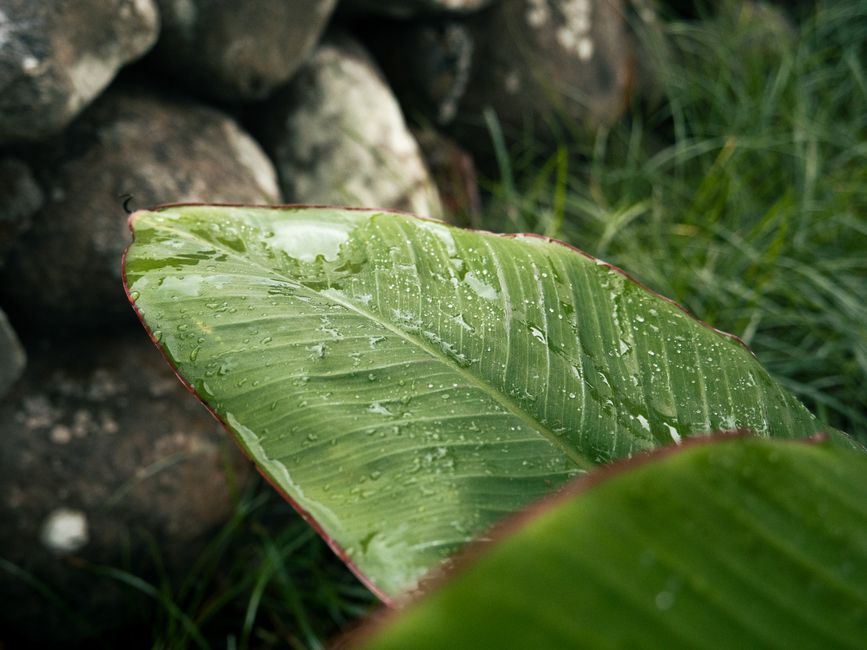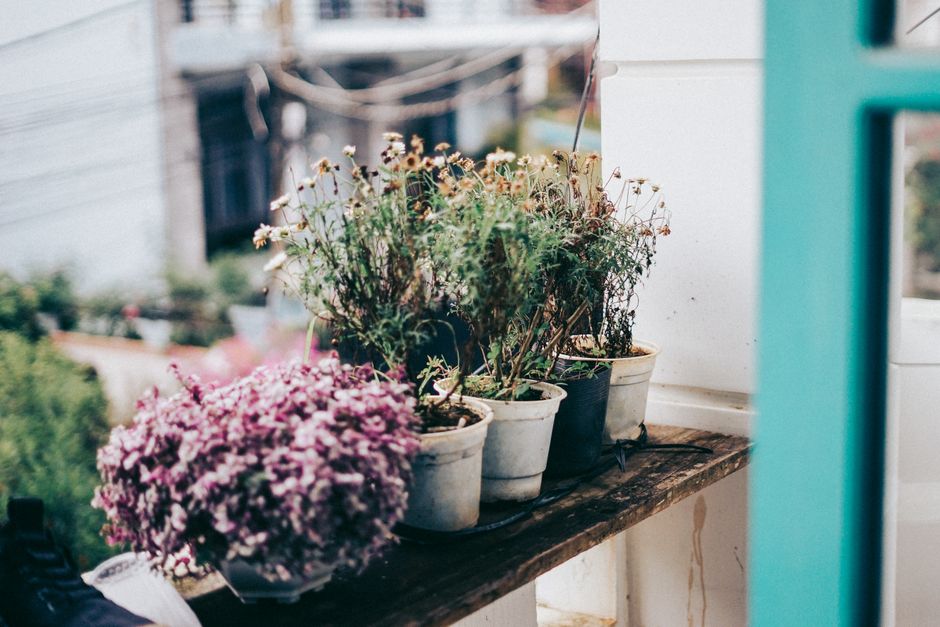
In the hustle and bustle of Nigerian city life, space is a luxury not everyone can afford. Yet, the desire to cultivate a little green haven is a dream shared by many. Enter the art of container gardening, a versatile and rewarding endeavor that transforms any nook or cranny into a flourishing oasis. Whether you're a seasoned gardener or a curious novice, container gardening offers an accessible path to cultivate beauty and sustenance right at your doorstep.
Picture this: an array of vibrant flowers cascading from a window box, or the scent of fresh herbs on your balcony ready to be plucked for your next culinary masterpiece. The beauty of container gardening lies not just in its aesthetics but also in its practicality. In urban areas like Lagos or Abuja, where open soil is scarce, containers provide a perfect solution. They're portable, versatile, and allow for a wide variety of plants to thrive.
So, if you’re ready to dive into the world of container gardening, let's explore the essential tips and tricks that will turn your space into a thriving garden paradise. From choosing the right containers to understanding the unique needs of different plants, this guide will cover everything you need to get started.
Why Choose Container Gardening?
Container gardening is an ideal choice for many Nigerian gardeners due to its flexibility and adaptability. Whether you live in a high-rise apartment or a house with a small yard, containers can fit into any space.
Space Optimization
One of the most significant benefits of container gardening is the ability to maximize limited space. Vertical gardens, hanging pots, and tiered planters are just a few ways to utilize every inch of your available area.
Portability
Containers are easy to move, allowing you to optimize sunlight exposure or protect plants from harsh weather conditions. This mobility is particularly advantageous during Nigeria's unpredictable rainy seasons.
Variety and Control
From vegetables to ornamental plants, containers provide the opportunity to grow a diverse range of flora. Plus, you have complete control over the soil quality, watering, and fertilizer, ensuring your plants receive the exact care they need.
Choosing the Right Containers
The success of your container garden largely depends on selecting the right pots and planters. Here are some factors to consider:
Size and Material
When choosing a pot, size matters. Ensure your container is large enough to accommodate the plant’s root system but not so large that it holds excess water. Popular materials include plastic, terracotta, and ceramic, each with its own benefits and downsides.
"Terracotta pots are porous, allowing soil to breathe, but they may require more frequent watering in hot climates."
Drainage
Ensure your containers have adequate drainage holes to prevent waterlogged roots, which can lead to rot and plant death.
Design and Aesthetics
Your garden's look is as important as its functionality. Choose containers that complement your home’s design aesthetic, adding to the beauty of your living environment.
Choosing the Right Plants
Selecting the appropriate plants for container gardening can be a delightful yet daunting task. Here are some recommendations:
Edible Plants
- Tomatoes: Require lots of sunlight and a sturdy support system.
- Peppers: Thrive in warm weather and require consistent watering.
- Herbs (Basil, Mint, Thyme): Perfect for windowsills and need regular pruning.
Ornamental Plants
- Marigolds: Bright, cheerful flowers that deter pests.
- Petunias: Offer a splash of color and are easy to maintain.
- Succulents: Low maintenance and ideal for dry conditions.
Soil, Watering, and Fertilization
Proper soil, watering, and fertilization are critical to the health of your container garden.
Soil Selection
Use a high-quality potting mix rather than garden soil, as it offers better aeration and moisture retention. Consider adding compost for an extra nutrient boost.
Watering Techniques
Container plants need more frequent watering than those in the ground. Check soil moisture daily and water thoroughly until excess drains out the bottom.
"Ensure not to overwater; allow the top inch of soil to dry out between waterings."
Fertilization
Regular feeding is essential for container plants. Use a balanced slow-release fertilizer or liquid feed every couple of weeks to support healthy growth.
Common Challenges and Solutions
Every gardener faces challenges, but with a little knowledge and effort, these can be overcome:
Pests and Diseases
Keep an eye out for common pests like aphids and spider mites. Use natural remedies like neem oil to combat them.
Environmental Stress
Extreme heat can stress plants. Provide shade during the hottest part of the day and ensure adequate hydration.
Final Thoughts
Container gardening offers an exciting opportunity to bring nature closer, regardless of where you live. With the right techniques and a bit of creativity, you can transform any small space into a lush, productive garden. Embrace the process, experiment with different plants, and enjoy the myriad benefits of your personal green retreat.